
 简体中文
 Русский
 Français
 Português
 Español
 لالعربية


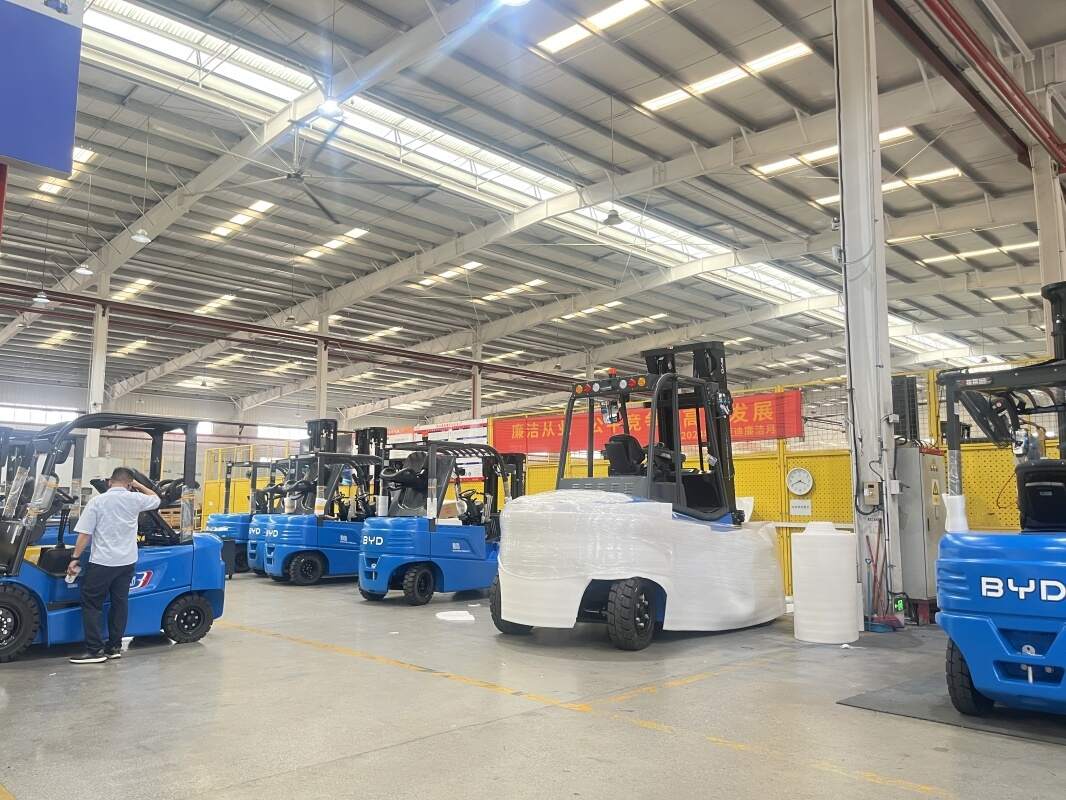
Against the background of continuous low-carbon transformation of the whole logistics industry, electric forklifts have gradually become the core material handling equipment in most indoor warehouse scenarios. A systematic understanding of the correct use and maintenance logic of this kind of equipment can help relevant practitioners avoid unnecessary operation risks and control the comprehensive operation cost effectively.
Core Performance Advantages of Modern Electric Forklifts
Compared with traditional internal combustion handling equipment, electric forklifts produce no exhaust emission during operation, and the overall running noise is controlled at a relatively low level, which can well meet the environmental protection and health requirements of closed indoor working spaces. Its power output response is more stable and precise, which can adapt to the fine stacking operation requirements of different types of goods, and the energy consumption cost per unit operation is controllable for most operation teams.
Standardized Daily Operation Specifications
All operators need to complete corresponding professional skill training before independent operation. Before each startup, it is necessary to check the braking system, power display status and tightness of the lifting chain first, confirm that there are no irrelevant personnel and obstacles in the surrounding operation area before starting the equipment. Under full load state, operators should not lift the fork beyond the height marked on the safety label, keep a reasonable driving speed during moving, and make deceleration prediction in advance when passing through curves and narrow aisles to avoid the risk of cargo slipping caused by sudden stop or sharp turn.
Routine Maintenance and Care Tips
After daily operation, the equipment should be parked in the designated ventilated and dry area, and supplementary power supply should be arranged in time to avoid deep power loss of the battery. It is necessary to clean the dust and residual water stain on the battery surface regularly, and do not use high-pressure water gun to wash the electric control module directly. Check whether there is leakage trace on the hydraulic system pipeline regularly, and arrange troubleshooting in time when abnormal noise or operation jamming is found, instead of keeping the equipment running with hidden faults for a long time.
Long Term Usage Efficiency Optimization Strategies
Operation teams can plan the operation path of electric forklifts reasonably according to the operation flow line of different warehouse scenarios to reduce unnecessary no-load driving energy consumption. Select equipment with suitable load parameters according to the average weight of daily handled goods, and do not keep the equipment working under the state exceeding rated load for a long time. Establish a clear equipment use registration ledger to record the operation duration and maintenance records, so that managers can grasp the operation status of the equipment more intuitively, extend the overall service life of the equipment, and reduce the use cost of the whole life cycle.


