
 简体中文
 Русский
 Français
 Português
 Español
 لالعربية


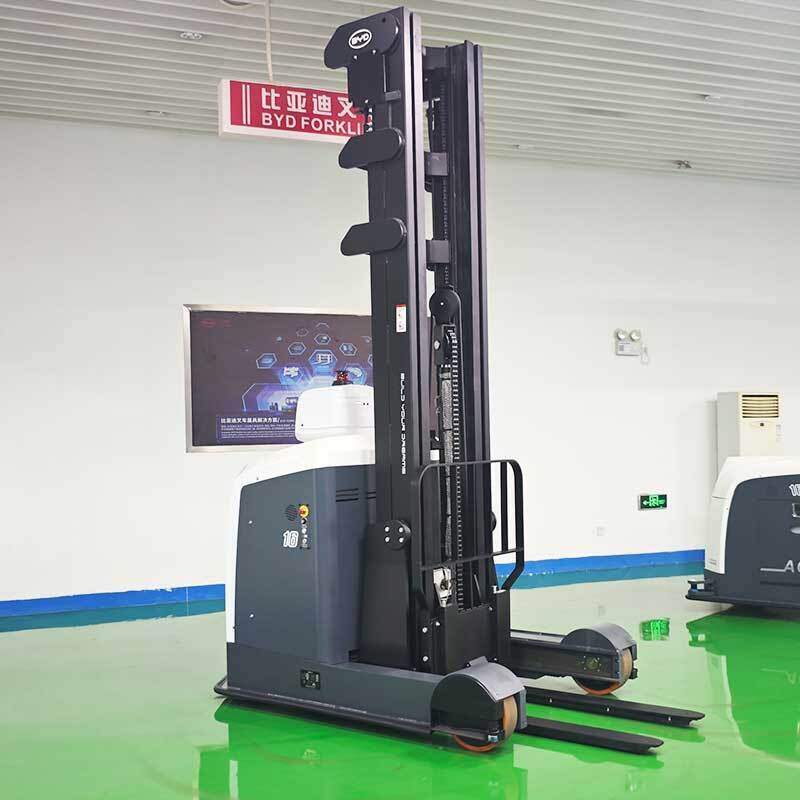
Electric forklifts have gradually become one of the most widely used material handling equipment in modern logistics, manufacturing and warehousing sectors, as global industries continuously prioritize low-carbon operation and reasonable cost control. Different from traditional internal combustion handling tools, electric forklifts rely on stored electric energy to complete loading, unloading, stacking and short-distance transportation tasks, and their operation and maintenance rules have obvious unique characteristics that many on-site practitioners need to master systematically.
Core Performance Traits of Modern Electric Forklifts
Most current mainstream electric forklift products adopt energy storage modules with stable energy density, and their operation process will not produce tail gas emission, which fits the indoor closed operation environment requirements of most warehouses and production workshops. The overall vibration and noise level during operation is far lower than that of fuel-powered counterparts, which can effectively reduce the noise interference to surrounding staff and the attenuation of on-site working environment comfort. The energy consumption cost per unit operation hour is relatively controllable, which can help the operation team control the long-term comprehensive input of material handling links in a reasonable range.
Standardized Operation Guidelines for Daily Use
Before each formal operation, operators need to complete a basic inspection of the core components, including the remaining power level of the energy storage module, the flexibility of the braking system, the normal response of the steering structure, and the surface integrity of the load fork. Operators need to receive corresponding professional training before taking up the post, and strictly follow the load capacity marked on the equipment nameplate to arrange handling tasks, and avoid overload operation for a long time. When the equipment is running in the narrow channel of the warehouse, the operator needs to control the running speed reasonably, and pay continuous attention to the surrounding obstacles and passing personnel to avoid safety risks caused by visual blind areas.
Routine Maintenance Points to Extend Service Life
After the daily operation is completed, the staff should park the equipment in the designated fixed position, adjust the load fork to the lowest position, and cut off the main power supply of the whole machine. The energy storage module should be charged in accordance with the specified operation process, and avoid long-term full power storage or long-term power depletion state, so as to maintain the overall performance of the energy storage unit in a good state. Regularly clean the dust and debris accumulated on the surface of the walking motor, hydraulic transmission system and control circuit, and check the wear degree of the tire and transmission accessories regularly, and replace the worn parts in time according to the actual use situation, so as to keep the equipment running stably for a longer period.


