
 简体中文
 Русский
 Français
 Português
 Español
 لالعربية


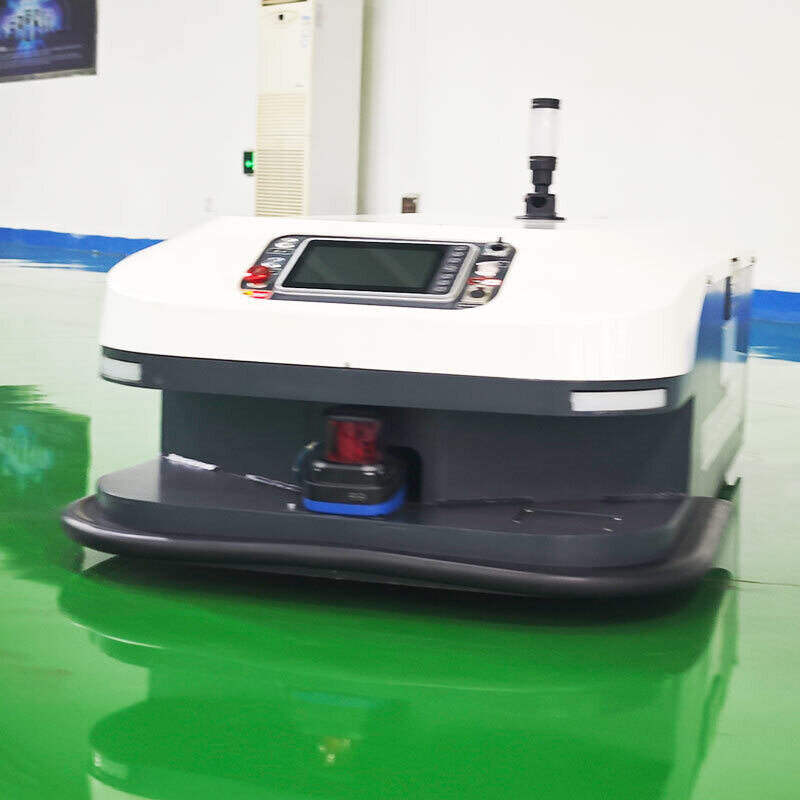
As the global logistics and warehousing sector continues to prioritize low-carbon, low-noise operation, electric forklifts have become one of the most widely adopted material handling equipment across various industrial scenarios. Mastering correct usage and management skills can help relevant teams fully leverage the advantages of such equipment while reducing unnecessary operation risks and extra costs.
Core Pre-operation Check Protocols
Before starting any shift, operators need to complete a series of standardized pre-inspection steps to eliminate hidden hazards in advance. The inspection scope covers the status of the power system, the flexibility of the lifting and steering components, the normal operation of the warning lights and braking system, as well as the integrity of the load forks and surrounding safety guards. Operators should also confirm that the surrounding operation area is free of obstacles unrelated to the planned work route, to avoid accidental collisions during subsequent movement.
Standard Operation Best Practices for Daily Use
During the formal operation process, operators need to strictly follow the load weight limit specified for the equipment, and avoid overloading that may cause damage to the load-bearing structure. When lifting and transporting goods, keep the goods 10 to 15 centimeters above the ground to maintain the stability of the vehicle body, and avoid sharp acceleration, sharp turning or sudden braking as much as possible, especially when moving on wet or slippery ground. For operation in narrow aisle scenarios, operators should control the moving speed at a low level, and cooperate with surrounding personnel to complete the handling of oversized goods to ensure operation safety.
Routine Maintenance Tips to Extend Service Life
After completing the daily work, operators need to park the equipment at the designated charging and storage position, lower the load forks to the contact position with the ground, and cut off the power supply in accordance with the standard process. Regularly clean the dust and debris attached to the surface of the equipment and the heat dissipation structure, and check the connection status of the power module on a fixed cycle, to avoid loose wiring or accumulated dust affecting the normal heat dissipation effect. Arranging professional personnel to complete regular professional calibration and component inspection according to the usage frequency, can effectively reduce the probability of unexpected failures during peak operation periods.
Practical Strategies to Improve Energy Efficiency
To maximize the working duration of each full charge, operators can plan the daily operation route in advance to reduce unnecessary repeated driving routes, and avoid long time idling of the equipment when it is not carrying out handling tasks. Maintain the appropriate ambient temperature in the equipment storage and charging area, which can help the power module maintain a stable working state, and effectively improve the overall energy utilization efficiency of the equipment in long-term operation.


