
 简体中文
 Русский
 Français
 Português
 Español
 لالعربية


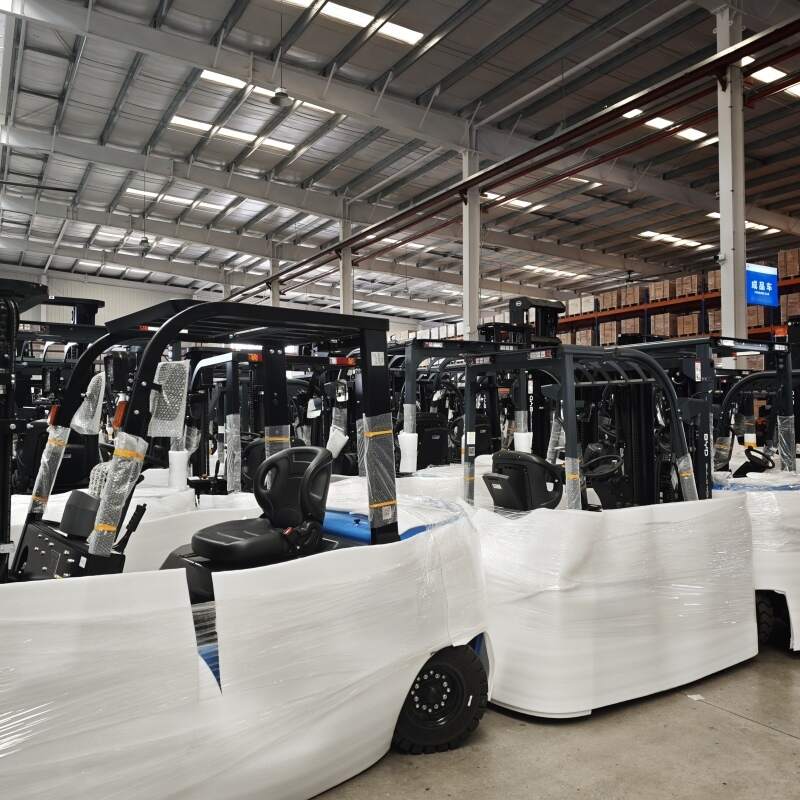
As a senior practitioner with years of in-depth research in the electric forklift industry, this practical guide sorts out verified, user-friendly industry knowledge for logistics and warehouse practitioners, to help them grasp core usage points of electric forklifts properly in daily work.
Core Performance Features of Modern Electric Forklifts
Different from traditional internal combustion handling equipment, most electric forklifts output driving and lifting power by battery, with low noise emission and no exhaust gas during normal operation, which fits the environmental management requirements of enclosed indoor working spaces. The overall structure of common models is relatively compact, with adjustable load capacity to match different daily material handling demands, and the operation threshold for new operators is not overly high after basic systematic pre-job training.
Standardized Operation Guidelines for Daily Use
Before the start of each work shift, operators need to conduct a quick check of the remaining power level, brake sensitivity, lifting oil circuit tightness and tire wear condition, to exclude potential hidden risks in advance. During the operation process, operators should keep stable driving speed according to on-site road conditions, avoid sharp turns or sudden braking when carrying loaded goods, and keep clear sight line when moving backward to prevent collision with surrounding facilities or passing staff. Long-term overload operation is not recommended, as it may cause extra wear to the power system and lifting structure.
Routine Maintenance Tips to Prolong Service Life
Regular cleaning of the body surface, especially the dust and sundries accumulated on the heat dissipation part of the power module, can ensure the stable operation performance of the equipment. Users should arrange proper charging cycle according to the official battery specification, and avoid long-term over-discharge which may shorten the overall battery cycle life. The lubrication points of the movable connection parts should be replenished with proper amount of professional lubricating oil at fixed intervals, to reduce unnecessary mechanical friction loss.
Scenario Matching Optimization Suggestions
For small and medium-sized warehouses with narrow aisle space, users can select corresponding body size models to improve the space utilization rate of the storage area. For low-temperature working environments, proper thermal insulation measures for the power supply part can keep the output performance stable during long continuous working hours. Reasonable scheduling of equipment working shifts can effectively reduce the waiting time of material handling links, and improve the overall operation efficiency of the whole logistics system.


