
 简体中文
 Русский
 Français
 Português
 Español
 لالعربية


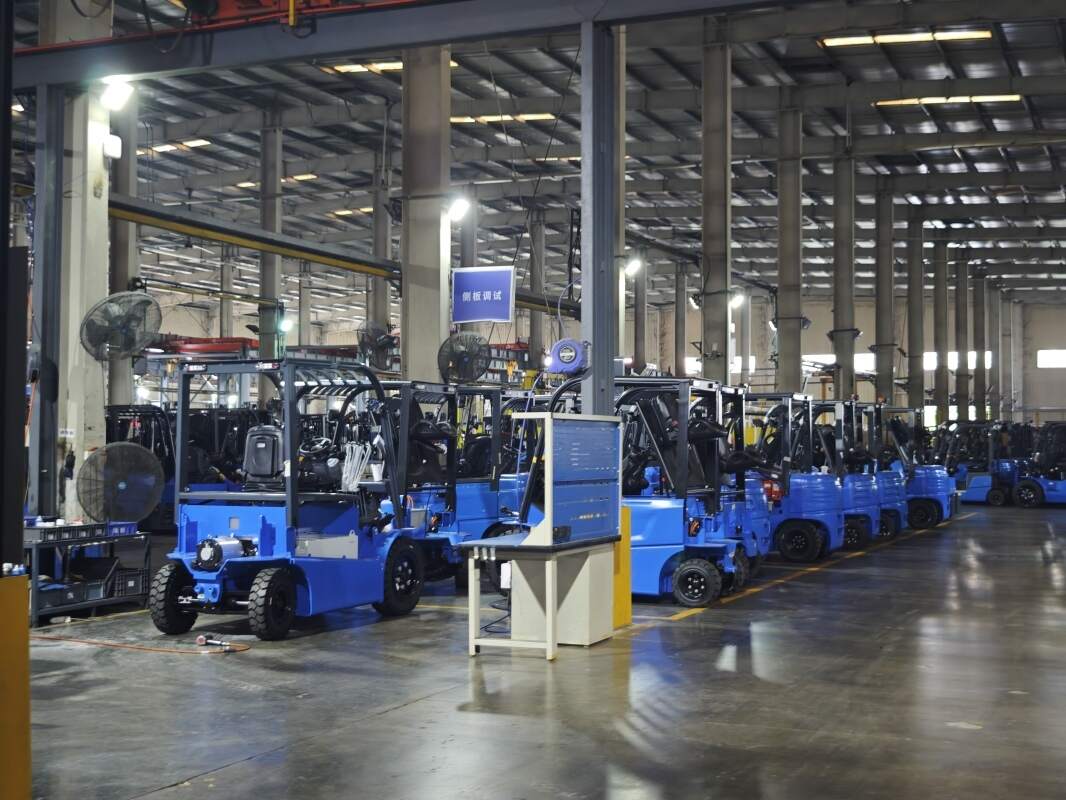
With the growing demand for low-carbon, stable material handling solutions in modern logistics, manufacturing and storage scenarios, electric forklifts have become a widely applied equipment choice for most operation teams. Mastering systematic operation and maintenance rules can help teams give full play to the performance of the equipment, avoid unnecessary operation risks, and support the smooth progress of daily material turnover work.
Basic Pre-Operation Inspection Protocols
Before each shift starts, operators need to complete a full range of appearance and function checks in a standardized process. It is suggested to check the flexibility of the brake system, steering structure and lifting mechanism first, confirm the tire wear degree and the tightness of the fixing parts, then check the remaining power of the power unit and the sealing condition of the circuit interface. Operators should also clear the obstacles within the surrounding operation range, and record any abnormal feedback of the equipment in time, instead of starting operation with hidden faults.
Standardized Operation Habits for Reducing Wear
In the daily operation process, operators should arrange the load within the rated load range of the equipment, avoid sharp steering, sudden braking or high-speed driving on uneven roads. When operating on slopes, keep the load side facing the upward direction of the slope, and do not turn or adjust the door frame posture at will on the ramp. When taking and placing high-position goods, adjust the running speed of the lifting mechanism evenly to keep the center of gravity of the whole vehicle stable, which can effectively reduce the wear of mechanical transmission parts and avoid unnecessary impact damage.
Targeted Routine Maintenance Practices
Teams can formulate corresponding maintenance cycles according to the actual daily operation intensity of the equipment. For the power unit, it is necessary to carry out charging operations in accordance with the specified process, avoid long-term overcharge or deep discharge, and regularly check the connection status of the power interface. For the movable structure of the equipment, arrange regular lubrication treatment to reduce the friction loss between the parts, clean the dust and sundries accumulated on the surface of the body and the heat dissipation parts regularly, and arrange professional personnel to carry out deep safety inspection every certain cycle to avoid aging of internal circuit components.
Practical Energy Efficiency Optimization Strategies
The operation team can reasonably plan the daily material handling route according to the distribution of the goods storage area, reduce unnecessary empty driving distance, and adjust the running speed appropriately according to the density of personnel and goods on the operation site. When the equipment needs to stay for a long time during the operation gap, turn off the high-power standby function in time to reduce invalid power consumption. These small operational adjustments can effectively extend the single-charge endurance level of the equipment, reduce the overall operating cost in the long-term use cycle, and help the material handling process run more smoothly.


