
 简体中文
 Русский
 Français
 Português
 Español
 لالعربية


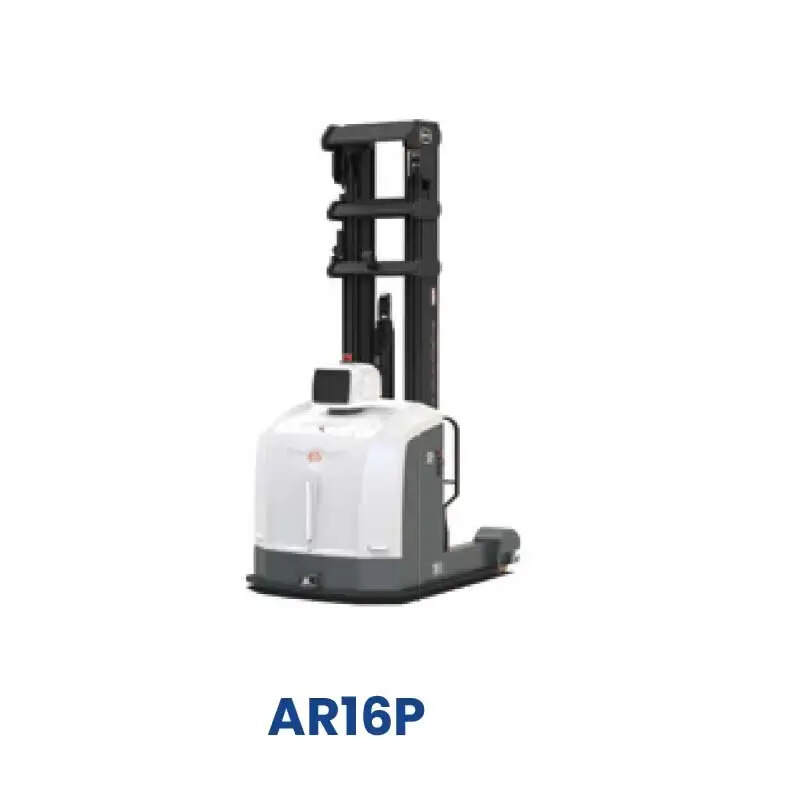
With the continuous expansion of modern intelligent warehousing and logistics industry, electric forklifts have become one of the most widely applied material handling equipment in daily operation. Many frontline operators and warehouse managers still lack systematic cognition of proper usage rules, which may lead to unnecessary performance loss or shortened service cycle.
Core Functional Features of Electric Forklifts
Different from traditional fuel-powered handling equipment, electric forklifts adopt full electric drive mode, with low operation noise and zero tail gas emission, which can well adapt to enclosed storage spaces, food processing zones, pharmaceutical inventory areas and other scenarios with strict environmental requirements. The power output of electric forklifts stays stable during continuous operation, which can deliver consistent performance for frequent short-distance material moving tasks, and create more comfortable working environment for surrounding staff in the long run.
Daily Maintenance Best Practices
To keep electric forklifts in good running state for longer time, operators can form regular simple maintenance habits after each shift. It is suggested to clear up sundries and residual cargo debris stuck in gaps of walking wheels, load forks and bearing components in time, to avoid extra abrasion of moving parts. Operators can check the connection terminals of battery pack periodically, wipe away accumulated dust to prevent poor contact, and follow official guidance to complete charging and discharging process, to avoid long-term full-power storage or long-time placement under exhausted power status. It is also recommended to check the sealing condition of hydraulic pipelines regularly, and contact professional technical personnel for handling once minor seepage is found, no private disassembly of core components is allowed.
Standardized Operation Safety Rules
All operators need to complete systematic pre-job training before independent operation. Before starting the equipment, make a full-circle check around the vehicle to confirm no obstacles or unrelated personnel stay in the operation range, and test the braking system, warning light and prompting horn to make sure all parts function normally. Keep proper driving speed during moving, and slow down in advance at channel corners, cargo stacking areas and other high pedestrian flow zones. Do not exceed the rated load capacity during cargo handling, insert the forks deep enough under the pallet before lifting, and avoid long distance travelling when the cargo is lifted to a high position.
Following the above rules can help users give full play to the performance of electric forklifts, reduce non-planned downtime, and improve the overall operation efficiency of the material handling link.


