
 简体中文
 Русский
 Français
 Português
 Español
 لالعربية


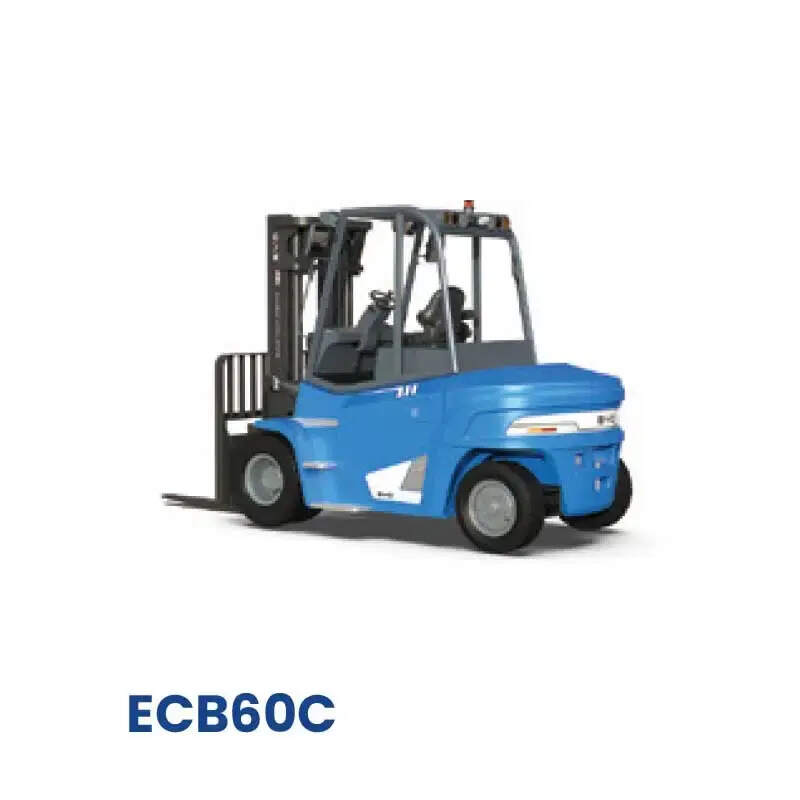
As low-carbon logistics becomes a core development trend across the industrial sector, electric forklifts have gradually become the widely adopted material handling equipment for most warehousing, manufacturing and distribution scenarios. Compared with traditional internal combustion counterparts, they bring distinct operational characteristics that require corresponding professional knowledge to support proper and efficient use in daily work.
Core Advantages of Electric Forklifts in Material Handling
Unlike fuel-powered equipment, electric forklifts rely on stored electrical energy as the power source, producing no exhaust emissions during operation, which makes them suitable for enclosed indoor working environments with strict air quality requirements. The overall noise level during operation is also much lower, which helps reduce noise pollution in work zones and ease long-term fatigue for operators working for consecutive hours. Most models have relatively simpler power transmission structures, which reduces the number of vulnerable moving parts compared to traditional internal combustion equipment.
Standardized Operation Norms for Safe Use
Operators need to complete corresponding professional training before taking post, get familiar with the basic parameters of the equipment including maximum load weight, allowed lifting height and turning radius, to avoid overloading or operating beyond the specified working scenarios. Before each shift, operators need to conduct a basic pre-operation check, including testing the braking system, lifting mechanism, lighting and warning devices, to rule out hidden risks before formal operation. During driving, operators should keep proper safety distance from surrounding personnel and obstacles, avoid sudden acceleration or sharp turning when carrying loads at high positions.
Routine Maintenance Practices
The core energy storage component of electric forklifts requires regular inspection of the connection status of charging ports, the surface cleanliness of the battery pack and the liquid level for models that use lead-acid batteries, to extend the overall service cycle of the power unit. Operators should follow the specified charging procedures, avoid over-discharging or long-term undercharging, and place the equipment in a cool, ventilated area for charging to avoid safety risks. Operators also need to clean the dust and debris accumulated on the motor and controller regularly, to ensure the heat dissipation performance of core electronic components remains at a normal level.
Energy Efficiency Optimization Tips
Reasonable arrangement of operation routes can reduce unnecessary repeated travel, lower the overall energy consumption per work shift, and effectively extend the continuous working time after each full charge. Enterprises can make corresponding operation plans according to the actual working intensity, arrange proper rest period for the equipment properly, to avoid long-time continuous high-load operation that causes extra loss of core components.


