
 简体中文
 Русский
 Français
 Português
 Español
 لالعربية


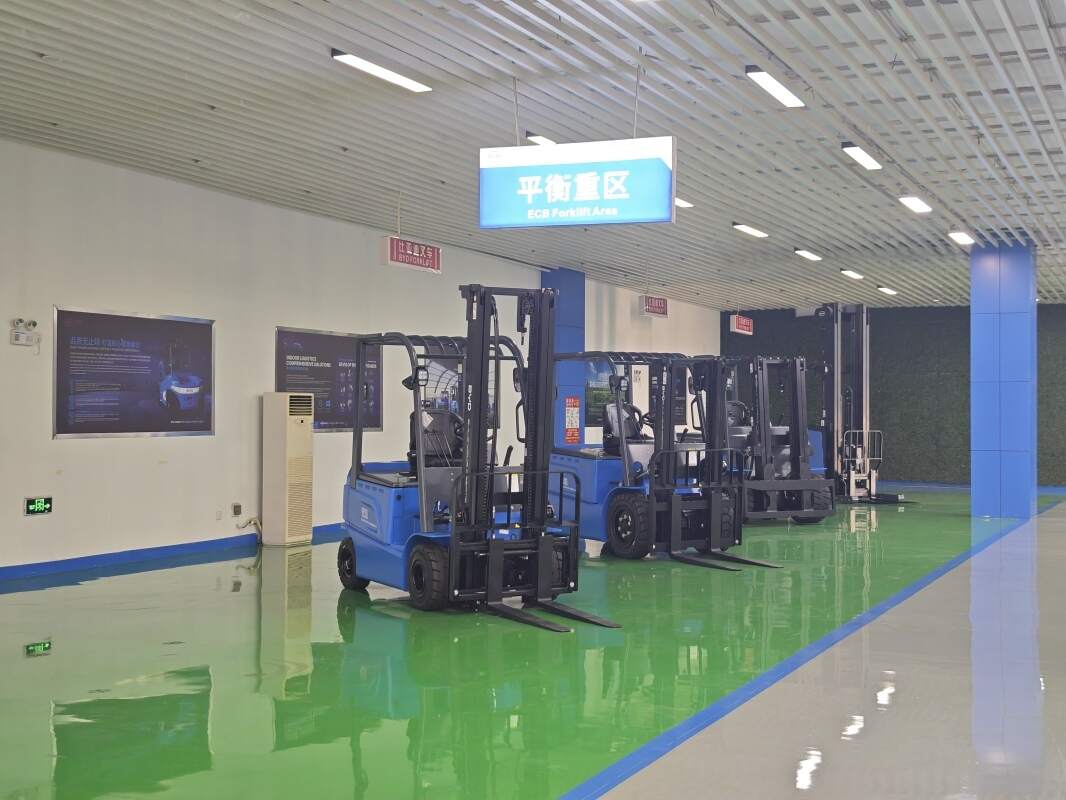
As low-carbon logistics becomes the mainstream trend in modern industrial operation, electric forklifts have occupied a larger share in various indoor and semi-indoor material handling scenarios in recent years. Many frontline operators and warehouse managers hope to get systematic and practical guidance to maximize the value of such equipment while complying with standard operation rules.
Core Advantages Suitable for Daily Warehouse Use
Different from internal combustion counterparts, electric forklifts rely on battery power output, which produces almost no exhaust emission during operation, making them suitable for enclosed storage spaces with strict air quality requirements. The overall noise level of running electric forklifts is also far lower than traditional fuel equipment, which can reduce noise interference to surrounding staff and avoid long-term discomfort for on-site operators. The power output mode of electric forklifts can also provide more stable torque adjustment in frequent start-stop scenarios, which fits the working rhythm of frequent short-distance material transportation in ordinary warehouses.
Standardized Operation Tips for Daily Use
Before starting the equipment every shift, operators need to check the remaining power level, tire condition and brake sensitivity first, to eliminate hidden troubles before formal operation. During the operation process, operators should avoid sudden acceleration or sudden steering when carrying full load, and keep the goods within the specified load center distance to avoid side sliding or tipping risks. When the equipment is not in use, operators need to park the vehicle in the designated charging area, lower the fork to the ground level, and cut off the main power supply of the equipment. It is not recommended to leave the equipment with goods lifted to avoid accidental falling of heavy objects.
Routine Maintenance Points to Reduce Long-term Operating Cost
Users can arrange regular inspection for the power system every 1 to 2 months, clean the dust accumulated on the surface of the motor and controller, and check the wiring tightness of each connecting part. For the battery pack, users need to follow the corresponding charging specification provided by the manufacturer, avoid over-discharging the battery to lower than the recommended remaining power threshold, and keep the surface of the battery clean and dry in daily storage. Reasonable daily maintenance can effectively reduce the failure rate of electric forklifts, extend the whole service cycle of the equipment, and create more stable value for daily material handling work.


