
 简体中文
 Русский
 Français
 Português
 Español
 لالعربية


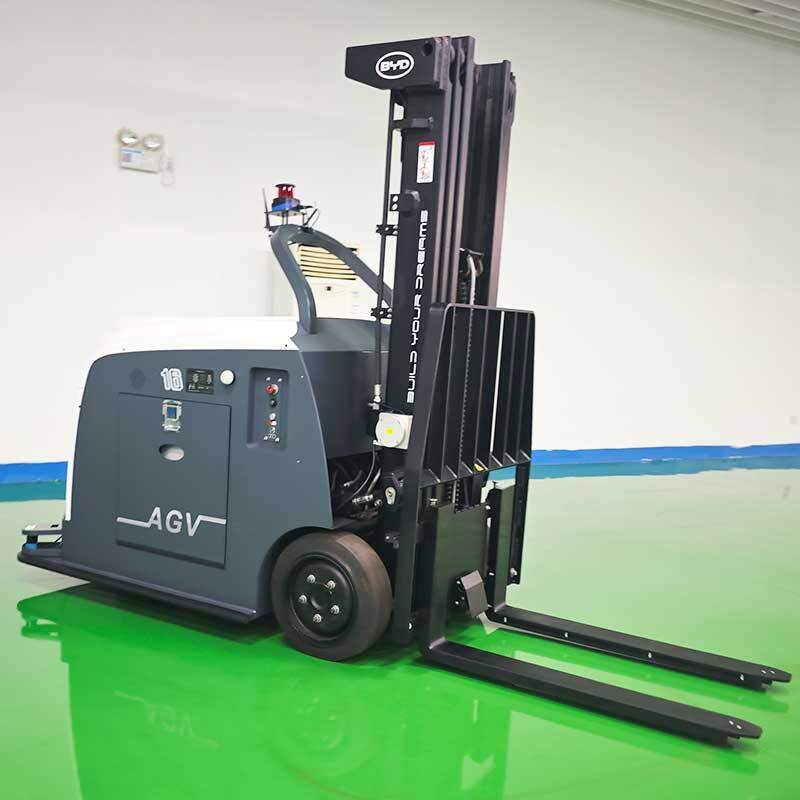
With the continuous development of green logistics and low-carbon warehouse construction, electric forklifts have become one of the most widely used material handling equipment in indoor and closed operation scenarios in recent years. As a practitioner with years of in-depth experience in this field, we sort out practical knowledge covering use, maintenance and scenario selection for all frontline operators and warehouse managers.
Core Performance Features of Electric Forklifts
Different from fuel-powered handling equipment, electric forklifts rely on battery systems to provide power output, which produces almost no exhaust emission during the whole operation process, and the overall operation noise is maintained at a relatively low level. Most products on the current market can meet the load requirements of 1 ton to 5 tons, and can adapt to the narrow channel operation environment of most standard warehouses, avoiding the complicated fuel supply and exhaust treatment processes required by internal combustion equipment.
Standard Daily Operating Specifications
Before starting each shift of operation, operators need to check the remaining power level, tire wear condition, brake sensitivity and the flexibility of the lifting system first, and avoid starting operation when abnormal conditions are not eliminated. During the operation process, it is necessary to keep the load center within the allowable range of the equipment, not to carry out over-height stacking or over-speed driving on the slope, and remind the surrounding personnel to avoid in time through warning devices before turning or reversing. After the daily operation is finished, the equipment should be parked in the designated fixed area, the power switch should be turned off, and the fork should be lowered to a position 10 to 15 cm above the ground.
Routine Maintenance Guidelines
Regular maintenance work can effectively prolong the stable service life of electric forklifts, and the core part of daily maintenance focuses on the management of the battery system. Operators need to follow the corresponding charging specifications to avoid over-discharge and over-charging, and keep the surface of the battery clean and dry to avoid the accumulation of dust and water stains. It is also necessary to regularly check the tightness of the connecting parts of the walking system and the lubrication state of the transmission parts, and arrange professional personnel to carry out targeted inspection of the electrical circuit system at regular intervals, so as to find hidden problems in the early stage.
Scenario Adaptation Suggestions
For different operation scenes, users can select corresponding configuration parameters of electric forklifts according to actual demand. For large e-commerce warehouses with high long-term operation intensity, you can choose models with larger battery capacity and faster lifting speed. For narrow scenes such as cold storage and pharmaceutical workshops, you can choose products with corresponding anti-low temperature or anti-corrosion configurations, so as to keep the operation efficiency at a reasonable level under special working conditions.


