
 简体中文
 Русский
 Français
 Português
 Español
 لالعربية


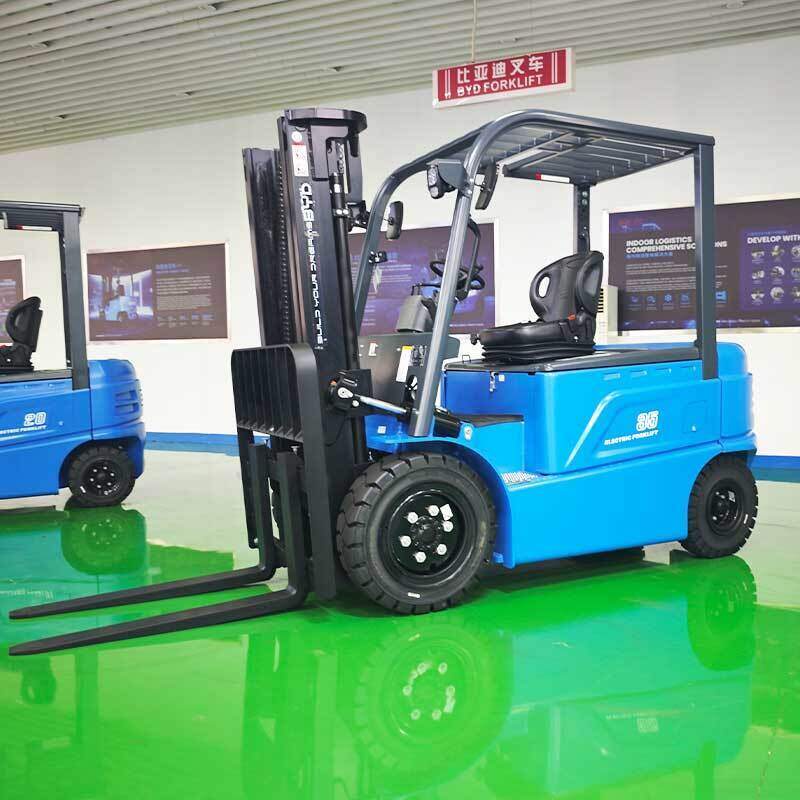
As the core equipment of modern warehouse material handling, electric forklifts have been widely applied in various industrial scenarios for their low noise, zero local emission and relatively low operation cost features. Mastering standardized usage and maintenance knowledge can help operation teams extend equipment service life, reduce hidden safety risks and optimize overall operation efficiency effectively.
Core Pre-operation Inspection Protocols
Before starting any daily operation, operators need to complete a full range of pre-check procedures following the specified rules. The first step is to check the remaining power level of the power system, confirm no abnormal prompt appears on the display panel, and check the connection status of power interfaces to avoid poor contact caused by long-term use. Next, operators need to test the flexibility of steering system, lifting mechanism and braking function, make sure all control parts respond smoothly without stuck delay. It is also necessary to check the tire surface condition, confirm no obvious crack or foreign object embedded, and verify the accuracy of load limit mark to avoid overloading in subsequent operations.
Standard Operation Specification Requirements
During formal operation, operators need to keep a stable driving speed according to the site road condition, maintain a safe distance from surrounding personnel, other equipment and stacked goods. When carrying loads, operators need to keep the goods at the proper center position on the forks, avoid unbalanced load distribution that may cause side tilting risk. When the equipment is running in narrow channels or turning blind areas, operators need to slow down and send out prompt signals to remind surrounding personnel to pay attention. It is not recommended to adjust the lifting height of goods at high driving speed, and operators should not leave the operation position without pulling the handbrake and lowering the forks to the specified safe height.
Routine Daily Maintenance Guidelines
After finishing daily operation, operators need to park the equipment at the designated position, turn off the power switch completely, and connect the power supply for charging according to the corresponding operation rules. It is necessary to wipe the surface dust and cargo residue on the equipment body in time, clean the dust on the heat dissipation ventilation holes to avoid affecting the normal heat dissipation performance of the power system. The management team can arrange regular inspection on the wear condition of vulnerable parts, replace the aging parts in time according to the actual wear degree, and make complete operation and maintenance records for each equipment to track its long-term operation status.


