
 简体中文
 Русский
 Français
 Português
 Español
 لالعربية


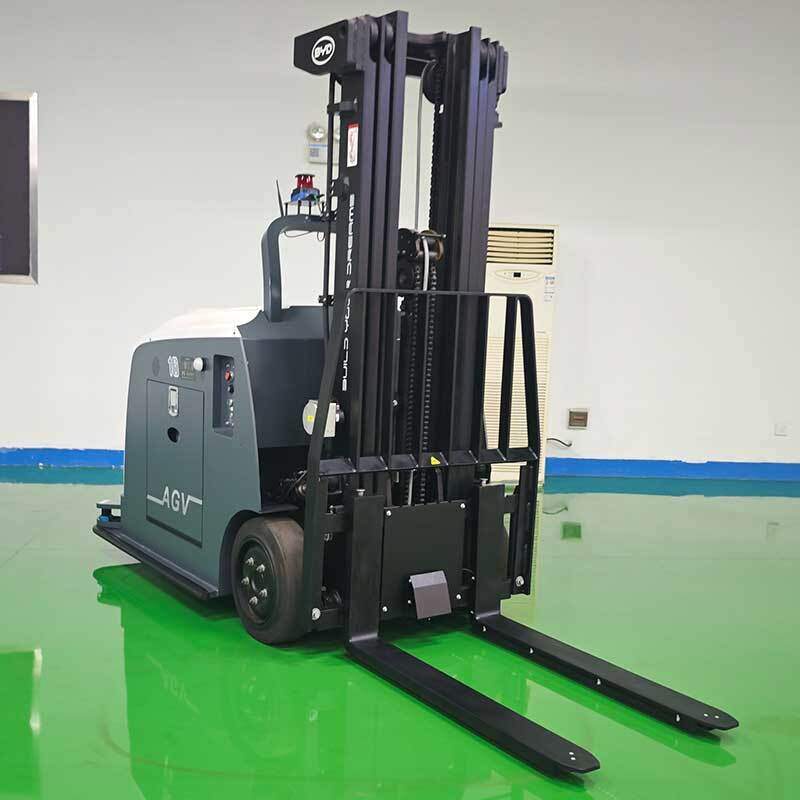
As low-carbon logistics solutions gain wider adoption across global warehouse and industrial sites, electric forklifts have become one of the most widely used material handling equipment for indoor and semi-enclosed operation scenarios. Proper mastery of its use rules and maintenance skills can help operators reduce unnecessary operation risks while giving full play to the equipment’s performance advantages.
Core Pre-operation Check Points for Electric Forklifts
Before each daily startup, operators need to complete a series of non-intrusive checks first, including confirming the remaining power level, checking the wear condition of the tire surface, testing the flexibility of the lifting and steering system, and verifying the normal function of all safety warning lights and alarm devices. Any abnormal noise or loose component found during the check should be reported to the management team in time, and the equipment is not recommended to be put into operation before hidden risks are eliminated.
Standard Operating Norms to Optimize Usage Efficiency
During the operation process, operators need to adjust the driving speed according to the site road condition, cargo weight and personnel flow, avoid sudden acceleration or emergency braking as much as possible, and keep the lifting height of the cargo at a reasonable low position during moving to reduce the risk of cargo falling. For different types of cargo packaging, operators should choose the proper fork distance to balance the load, which can reduce the extra wear of the forklift mast and body structure.
Scientific Energy Management for Long-duration Shifts
For operation scenarios that require continuous multi-shift work, teams can arrange the battery charging schedule reasonably according to the actual power consumption data, avoid over-discharging the battery to less than 20% of total capacity under normal conditions, and follow the standard charging process to extend the overall cycle life of the power system. It is also advisable to arrange dedicated rest time for the equipment after 2 to 3 hours of continuous high-load operation to avoid overheating of the motor and control system.
Routine Maintenance Practices to Reduce Long-term Costs
In the weekly and monthly maintenance work, teams can focus on cleaning the dust and sundries accumulated on the surface of the motor and heat dissipation structure, check the tightness of all connecting lines, and add proper amount of lubricating oil to the rotating and moving parts as required. Adhering to regular standardized maintenance can effectively reduce the frequency of unexpected equipment failures, and help enterprises obtain more stable operation output in long-term material handling work.


