
 简体中文
 Русский
 Français
 Português
 Español
 لالعربية


As electric forklifts are widely adopted in modern warehousing, manufacturing and logistics scenarios, standardized charging operation is the core premise to guarantee daily operation safety, reduce equipment failure rate and extend the service life of core components. Unregulated charging behavior will not only cause unexpected work interruption, but also bring potential safety hazards to the whole working area, so every on-site operator needs to master the full set of standard charging specifications properly.
Pre-charging preparation and inspection is the first critical step to avoid hidden risks. Before moving the forklift to the designated charging area, operators should confirm the charging zone keeps good ventilation, no flammable sundry items are piled around, and the grounding protection of charging facilities stays in normal state. No open flame or high temperature heat source is allowed within 3 meters around the charging station. Before connecting the charging gun, operators need to check the appearance of the forklift battery to confirm no cracks, leakage or obvious deformation exists, and check that the charging interface has no loose pin or accumulated dust that may cause poor contact. It is recommended to arrange charging when the remaining battery power is around 20% to 30%, avoid using the forklift until the battery is completely drained, which will cause extra damage to the internal battery structure.
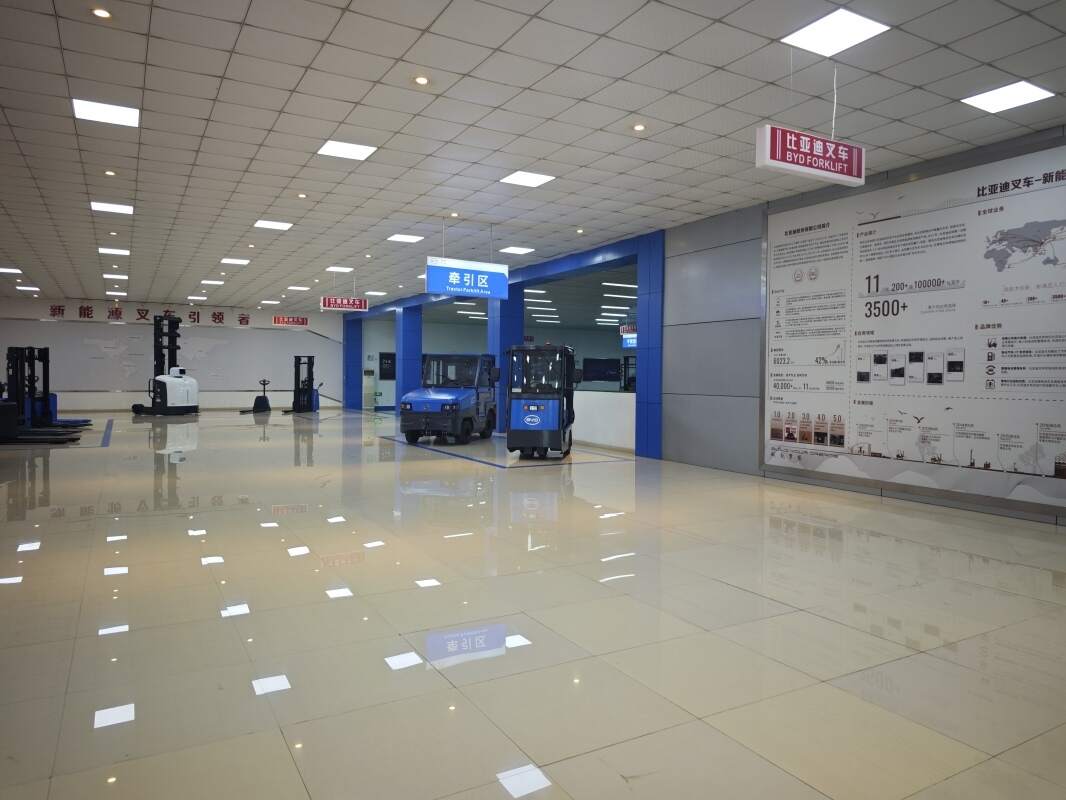
Standard operation during charging is the key to guarantee safety and charging efficiency. After aligning the charging gun with the socket and locking it firmly, operators can start the charging process following the official operation guidance. Do not pull out the charging gun forcibly or cut off the main power supply at will in the middle of charging unless there is abnormal emergency situation. Operators should check the battery temperature at intervals during charging, once the temperature exceeds the rated safe range given by the equipment manufacturer, pause charging immediately and contact professional maintenance personnel for inspection. Do not stack goods or other work tools beside the parked forklift during charging, and keep irrelevant untrained personnel away from the operating charging facilities.
Post-charging handling also matters a lot for long-term stable use of the equipment. When the charging process is fully completed, cut off the charging power supply first before pulling out the charging gun gently. Arrange the charging cable neatly to avoid being rolled and damaged by passing vehicles later, wipe the floating dust on the contact part of the charging interface to keep it dry and clean. Drive the fully charged forklift away from the charging area to the designated working parking space, to reserve the charging position for other devices that need to be charged. For forklifts that will be out of service for more than 7 days, operators need to arrange supplementary charging regularly to avoid the battery staying in long-term underpowered state, which can effectively reduce the later operation cost.
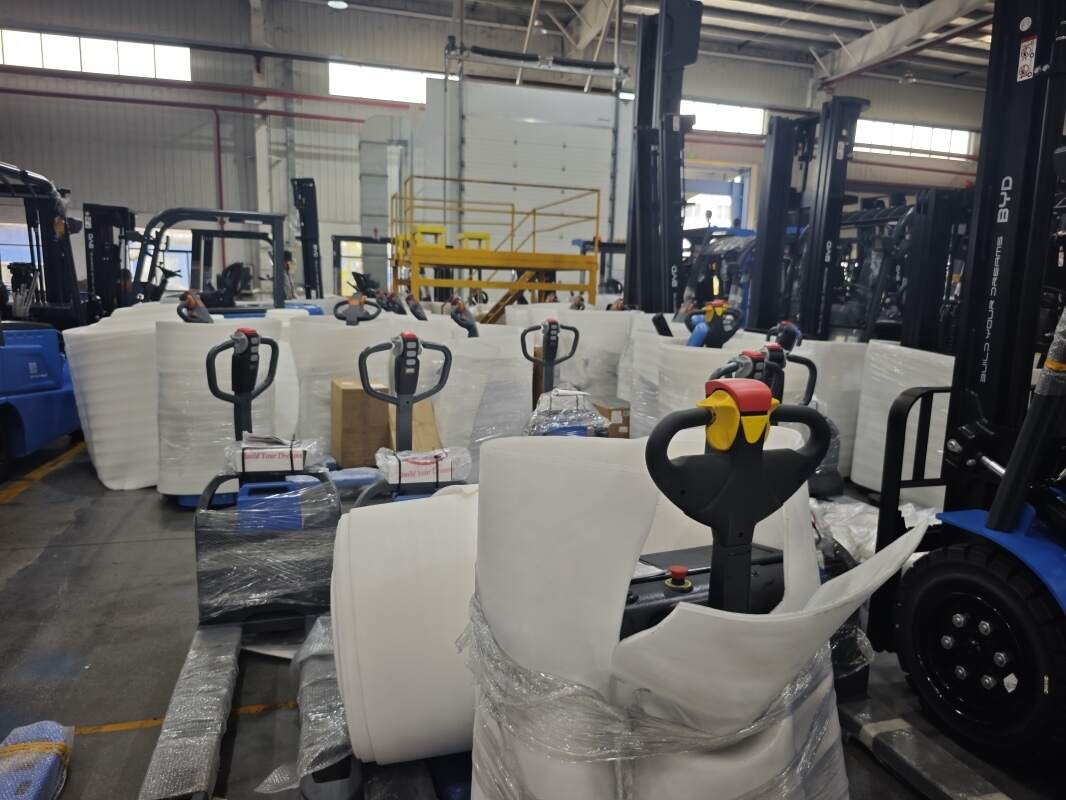
Jianshu New Energy focuses on BYD electric forklifts, if you have any demand for relevant technical consultation and equipment matching, please send email to [email protected] for professional response.


