
 简体中文
 Русский
 Français
 Português
 Español
 لالعربية


Forklift proximity warning system is a common practical safety auxiliary facility for industrial material handling scenarios, which is designed to reduce potential collision risks between moving forklifts, walking pedestrians, stacked cargo obstacles and other working vehicles in daily operation. This field guide sorts out practical content based on real application scenarios, to help site management personnel and forklift operators grasp key related points quickly.
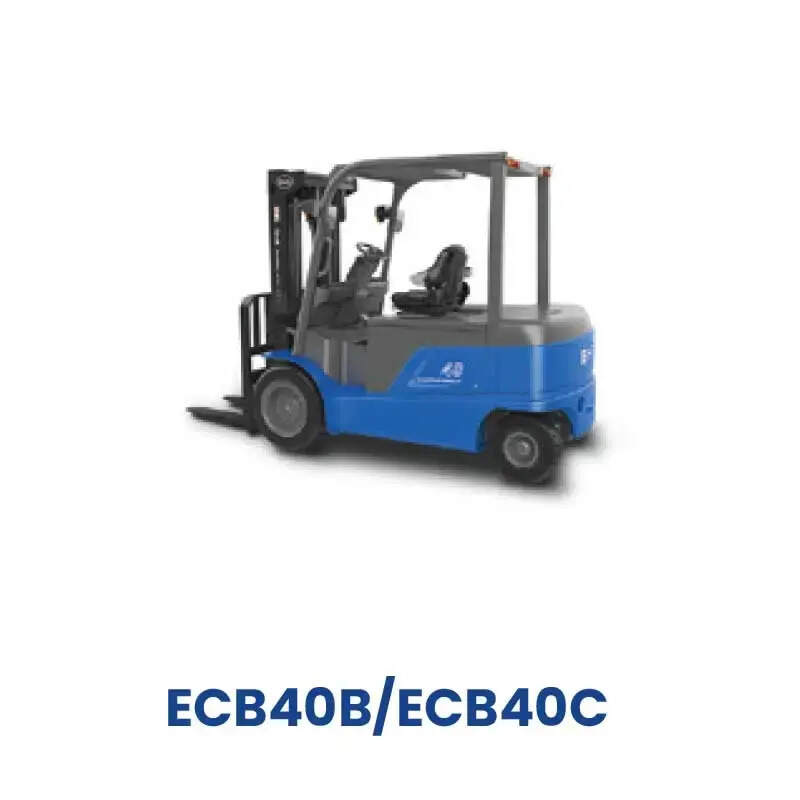
Before formal deployment of the system, the on-site team needs to complete basic scenario survey work first. Most regular proximity warning systems can adapt to conventional working scenes including closed warehouses, open freight yards and manufacturing workshops, and can be installed and used on most standard electric forklift models without special transformation. When surveying the site, you can mark high-frequency pedestrian crossing areas, dense cargo stacking zones and narrow aisles first, then adjust the system's sensing warning distance according to the average driving speed of local forklifts. Reasonable parameter setting can effectively avoid frequent false alarms caused by over-sensitivity, and also prevent missing alarms caused by insufficient sensing range.
During daily operation, operators need to complete routine inspection of the proximity warning system before starting the vehicle at each shift. The inspection contents include confirming stable power supply of the system, no block on the surface of sensing components, and normal operation of sound and light alert modules. If any abnormal response of the system is found during inspection, the operator should report to the on-site management team in time, and do not drive the forklift to carry out operation before the hidden trouble is eliminated. When the system sends out a warning signal during driving, the operator should slow down immediately, check the surrounding environment clearly, and take corresponding avoidance measures according to the actual situation, rather than ignoring the prompt and continuing to drive at the original speed.
For daily maintenance work, the management team can arrange regular inspection once every 1 to 2 months, clean dust and sundry attachments on the surface of sensing components, test the warning effect in different typical scenes, and adjust system parameters appropriately when the layout of the operation site changes. It is worth noting that the proximity warning system is a kind of auxiliary safety facility, which cannot replace the standard safe driving rules that operators must abide by in the whole operation process. Good operation habits matched with auxiliary warning functions can give full play to the maximum value of safety protection.
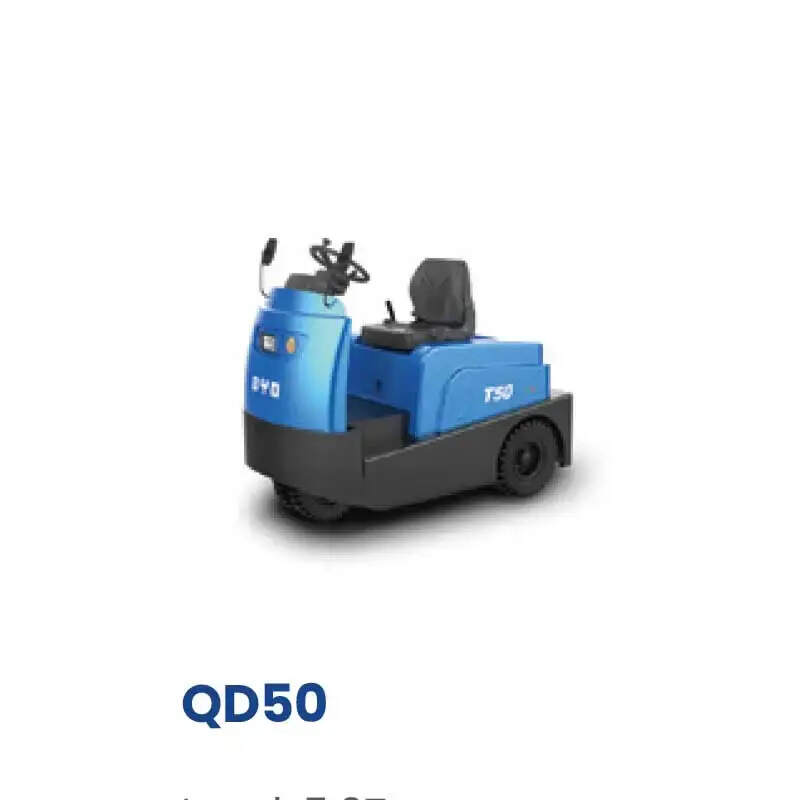
Jianshu New Energy focuses on BYD electric forklift related professional services, if you have relevant demands, you can send an email to [email protected] for consultation.


