
 简体中文
 Русский
 Français
 Português
 Español
 لالعربية


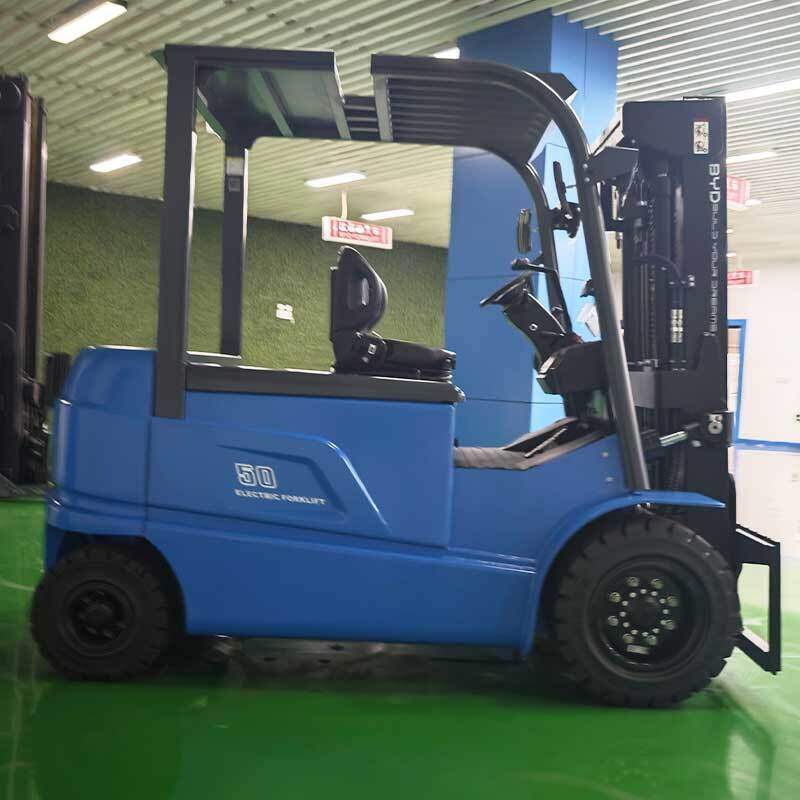
Against the background of global low-carbon logistics transformation, electric forklifts have gradually become one of the most commonly used material handling equipment in various industrial and storage scenarios. Different from traditional internal combustion forklifts, electric driven models have more unique characteristics that require operators and warehouse managers to master corresponding professional knowledge to give full play to their use value.
Core Functional Characteristics of Electric Forklifts
Most modern electric forklifts adopt mature electric drive systems, which produce no local exhaust emission during operation, and the overall operating noise level is far lower than that of internal combustion products. Such features make them suitable for closed spaces such as indoor warehouses, cold storage, and production workshops with strict air quality requirements, and they can also meet the access standards of many scenarios with high environmental protection requirements. The energy consumption cost per unit operation is relatively stable, and there is no need to purchase and store fuel on site, which reduces the potential safety risk of fuel leakage and improper storage.
Daily Maintenance Standards for Electric Forklifts
The core of electric forklift maintenance focuses on the power system and transmission components. Operators need to check the power interface for deformation, corrosion or loose connection before starting the machine every day, confirm the remaining power level is sufficient for the planned operation tasks on the day, and check the wear degree of walking wheels and the sensitivity of the braking system. For long-term idle equipment, the power level should be maintained in the reasonable range specified in the operation manual, and the battery pack should not be kept in full power state under high temperature environment for a long time. Regular cleaning of dust and sundries on the surface of the motor and controller can avoid the risk of component blockage and overheating.
Operation Optimization Suggestions for Electric Forklifts
To maximize the operation efficiency of electric forklifts, enterprises can arrange targeted operation training for frontline operators, help them get familiar with the load limit and maximum lifting height parameters of different models, and avoid overloading operation which will cause extra loss of power system and structure. Reasonably plan the operation route of forklifts in the warehouse, reduce unnecessary long-distance empty driving, and regularly calibrate the lifting limit protection device to reduce the probability of safety accidents. Scientific operation arrangement can effectively extend the overall service life of the equipment, and create more stable value for the daily material handling work of the warehouse.


