
 简体中文
 Русский
 Français
 Português
 Español
 لالعربية


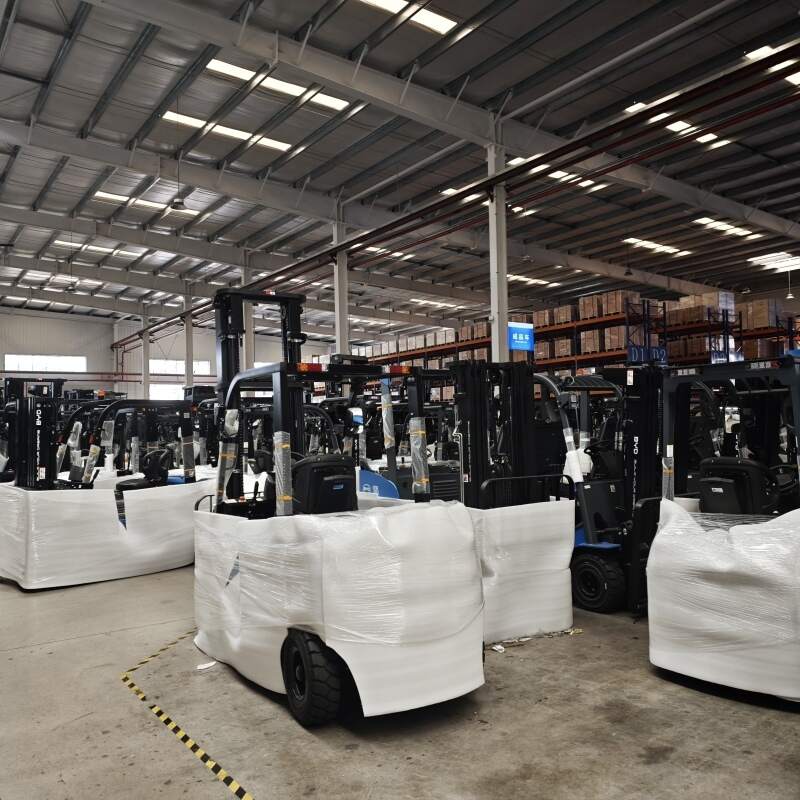
As a widely applied logistics handling equipment in modern industrial scenarios, electric forklifts have become a popular choice for most warehouse and manufacturing sites for their low noise, zero local emission and flexible operation attributes. Many frontline operators and site managers still lack systematic cognition on how to maximize the value of such equipment, leading to unnecessary efficiency loss and extra component wear.
Core Performance Characteristics of Modern Electric Forklifts
Different from internal combustion counterparts, electric forklifts take power battery packs as the core energy supply, with power output adjusted through built-in motor control modules. The whole power transmission system has fewer friction parts, so the vibration level during operation is significantly lower, which can effectively reduce the fatigue degree of operators after long-time continuous work. Most mainstream models on the current market support multi-level speed adjustment, which can match different handling requirements from narrow channel goods stacking to large-tonnage heavy cargo transportation.
Common Operation Missteps to Avoid in Daily Use
During daily operation, many operators are used to conduct frequent forward and reverse switching without the equipment completely stopped, which will produce extra impact load on the motor and control module, and accelerate the aging of internal electronic components. Long time overload operation will also cause continuous overheating of the power system, activating the built-in protection mechanism of the equipment and leading to unexpected interruption of handling work. Operators should also avoid long time exposure of the vehicle body to rain or high humidity environment, to prevent the risk of short circuit of the internal circuit.
Necessary Regular Maintenance Procedures to Extend Service Life
Daily basic maintenance work can be completed by on-site operators without support of professional technicians. After each shift, operators only need to wipe the dust and debris on the surface of the battery pack, check the tightness of each connecting wire, and confirm the remaining power level to arrange subsequent charging work reasonably. For the walking wheels and lifting hydraulic parts, regular lubrication and wear detection should be arranged every certain working cycle, to replace the seriously worn parts in time before they cause potential safety hazards.
Scenario-based Application Optimization Suggestions
For narrow channel working scenarios, operators can properly adjust the low-speed mode priority setting of the equipment, to get more sensitive steering response and improve the stacking accuracy of high-position goods. For continuous operation scenarios with more than 8 hours of working time every day, sites can arrange matching backup battery packs to realize fast power switching, so as to avoid operation pause caused by long-time charging. Such targeted adjustment can effectively improve the overall operation efficiency of the whole logistics system.


