
 简体中文
 Русский
 Français
 Português
 Español
 لالعربية


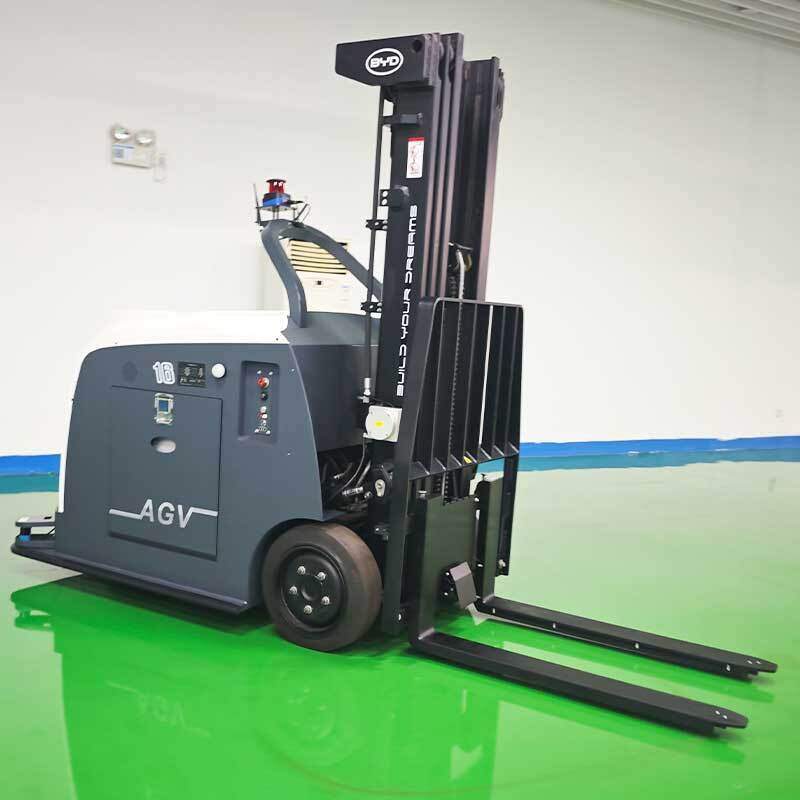
As the core equipment of modern warehouse material handling, electric forklifts are widely used in different industrial scenarios for their low noise, zero local emission and easy operation features. Mastering standardized use and maintenance rules can effectively extend equipment service life, reduce hidden safety risks and improve overall logistics operation efficiency.
Core Pre-operation Inspection Protocols
Before starting any daily operation, operators need to complete a full range of visual and functional checks first. The checking scope includes the remaining power status of the power system, the flexibility of the lifting and steering structure, the braking response sensitivity, the intact status of all lighting and warning signals, and the unobstructed condition of the surrounding operation area. Any abnormal sign found during inspection should be reported to the management team in time, and operators are not allowed to start operation with hidden risks.
Standard Daily Operation Specifications
During operation, operators should keep stable driving speed according to the site environment, avoid sudden acceleration or emergency braking that may cause goods to slide down. When lifting or putting down cargos, keep the movement smooth and avoid impact to the goods or the equipment structure. Operators need to keep full concentration during the whole operation process, avoid overload operation beyond the rated load range, and strictly follow the site safety rules to give way to pedestrians on the operation passage.
Routine Regular Maintenance Essentials
After finishing daily operation, operators should park the electric forklift at the designated position, lower the lifting platform to the lowest position, cut off the power supply completely, and clean the dust and sundries attached to the body surface. The maintenance team can arrange regular deep inspection every certain operation cycle, check the wear condition of walking wheels, lubricate the rotating connection parts, and test the performance of the power system, to prevent minor problems from evolving into major equipment failures.
Practical Efficiency Optimization Tips
To further improve operation efficiency, the management team can reasonably plan the driving passage of electric forklifts according to the warehouse cargo layout, reduce unnecessary repeated driving routes, and arrange operation tasks in line with the equipment load range. Regular skill training for operators can also help them form good operation habits, reduce unnecessary operation consumption, and create safer and more stable working conditions for the whole logistics processing process.


