
 简体中文
 Русский
 Français
 Português
 Español
 لالعربية


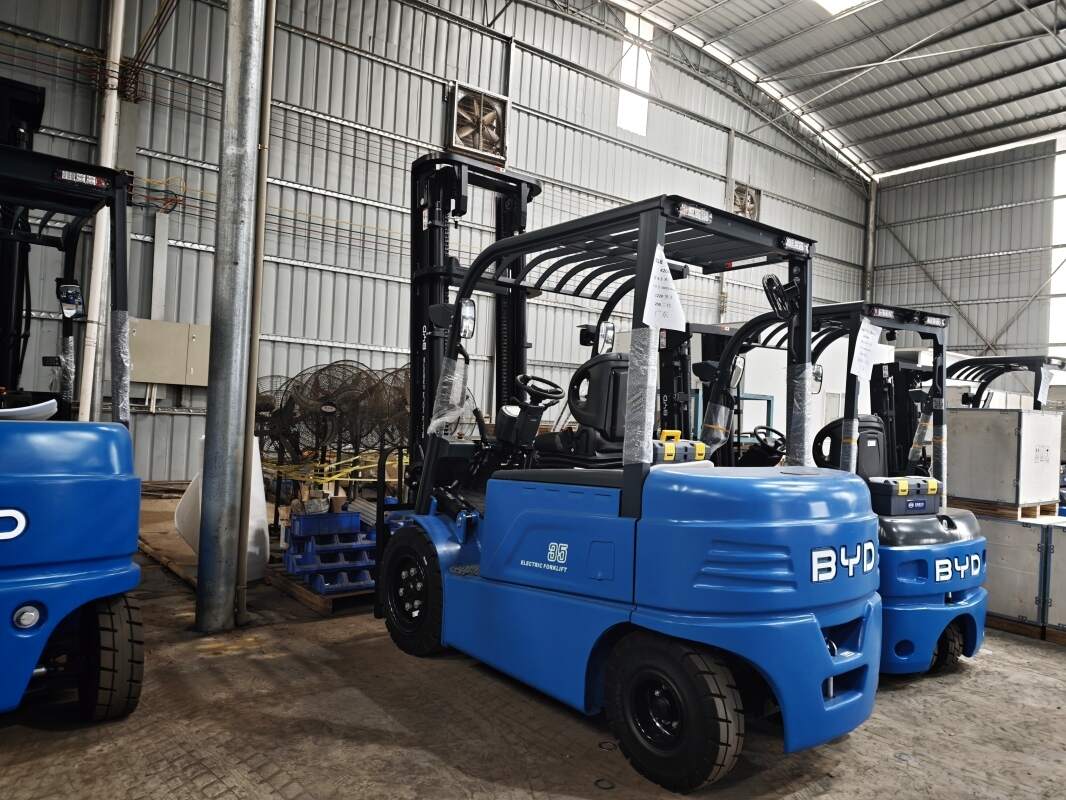
The wide application of electric forklifts has become a core trend in modern industrial material handling scenarios, as more and more logistics, manufacturing and retail storage sites choose this type of handling equipment to match low-carbon operation requirements. This guide provides systematic, practical operation and management references for relevant practitioners based on the common attributes and operation logic of electric forklift products, without involving any specific brand related content.
Core Performance Attributes of Modern Electric Forklifts
Different from traditional internal combustion handling equipment, electric forklifts are mainly driven by electric power, with no local exhaust emission during operation, and the overall operating noise level is controlled at a relatively low range, which can adapt to closed, semi-closed warehouse environments, production workshop areas and special scenarios with high requirements for environmental sanitation. The overall structure of the product has fewer vulnerable moving parts, which can effectively reduce the frequent replacement and maintenance demand of power components during long-term use. The carrying capacity of conventional models can meet the daily handling demand of most standard industrial storage scenarios, and the flexible body design can adapt to narrow channel operation environments.
Standardized Daily Operation Specifications
All operators need to receive systematic pre-job skill training before formally operating electric forklift equipment. Before each start-up operation, it is necessary to check the working state of the braking system, steering system, alarm device and residual power of the power unit, and confirm that there is no abnormal hidden danger before entering the formal operation link. In the process of handling goods, it is necessary to avoid overloading beyond the rated load range of the equipment, keep the center of gravity of the goods stable during the driving process, and reduce frequent sharp steering and emergency braking operations. When passing through the pedestrian channel and the intersection of the operation area, slow down and confirm the surrounding environment to avoid collision with surrounding facilities and personnel.
Routine Maintenance and Management Points
Daily maintenance work can effectively extend the overall service life of electric forklifts and reduce the probability of sudden failure during peak operation. For the power unit, follow the official charging specification requirements, avoid long-term overcharge or deep discharge, keep the charging environment dry and ventilated, and regularly check the connection of the wiring interface for abnormal oxidation or loose contact. Regularly clean the dust and sundries accumulated on the surface of the vehicle body and the heat dissipation components, check the sealing performance of the hydraulic lifting system, and add proper amount of lubricating grease to the rolling moving parts on schedule to keep the operation flexible. Once minor abnormal conditions are found in the operation process, arrange special personnel to carry out troubleshooting in time, and do not carry out high-intensity operation with hidden troubles.
Long-term Energy Efficiency Optimization Strategies
Combined with the actual operation rhythm of the site, reasonably plan the goods handling route, reduce the unnecessary no-load driving distance of the electric forklift in the operation area, which can effectively reduce the extra power consumption in the daily operation process. Reasonably arrange the operation scheduling of multiple forklift equipments according to the peak and valley of handling demand, avoid multiple equipments waiting for idle for a long time, and adjust the running parameters of the power system regularly according to the actual use frequency, so as to maintain the equipment in a good energy efficiency state for a long time, and further reduce the comprehensive operation cost of the material handling link.


