
 简体中文
 Русский
 Français
 Português
 Español
 لالعربية


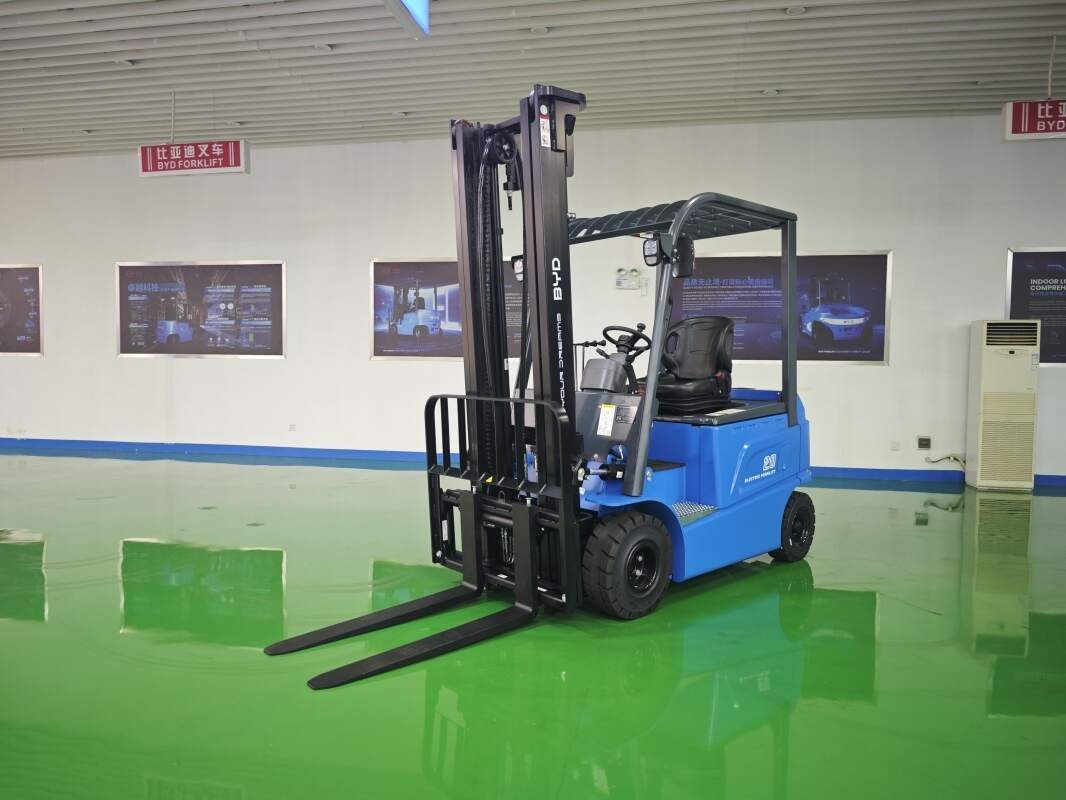
As the demand for low-carbon, high-efficiency industrial material handling solutions keeps rising, electric forklifts have become a core equipment choice for most modern warehouse scenarios. Mastering systematic operation and maintenance knowledge can help teams give full play to the equipment’s advantages while avoiding unnecessary operating risks.
Core Safe Operation Specifications for Electric Forklifts
Before starting each shift, operators need to conduct basic inspection of the body, including checking the remaining power level, the flexibility of brake and steering system, and the smoothness of the lifting hydraulic structure. Operators need to keep the load within the rated load range during driving, avoid sudden acceleration or sharp turn when carrying heavy goods, and keep a safe distance from surrounding personnel and obstacles in narrow warehouse aisles. It is not recommended to use electric forklifts to pull or push other unrelated equipment in daily scenarios, which may cause extra load on the power system and structural components.
Daily Maintenance Practices to Extend Equipment Service Life
Regular daily maintenance starts with the cleaning of the equipment body, removing accumulated dust, cargo debris on the wheel and body surface to avoid affecting the heat dissipation of the motor and electrical control components. For the power battery pack, operators need to follow the specified charging process, avoid over-discharging the battery to a very low level before charging, and keep the charging environment well ventilated with proper ambient temperature. The lubrication points of the lifting mechanism and transmission parts need to be added with professional lubricant on a regular schedule, to reduce wear between metal friction parts and lower the failure rate of moving components.
Energy Efficiency Optimization to Improve Working Efficiency
To get longer continuous working time under the same power condition, teams can arrange the handling routes reasonably according to the warehouse layout, reduce unnecessary reciprocating driving, and avoid long time of idling operation under full load status. During the off-peak period of operation, operators can park the equipment in the designated safe area and turn off the standby power system to reduce extra power consumption. Such small optimization measures can effectively reduce the total energy consumption in daily operation, further lower the long-term operating cost of the whole fleet.


