
 简体中文
 Русский
 Français
 Português
 Español
 لالعربية


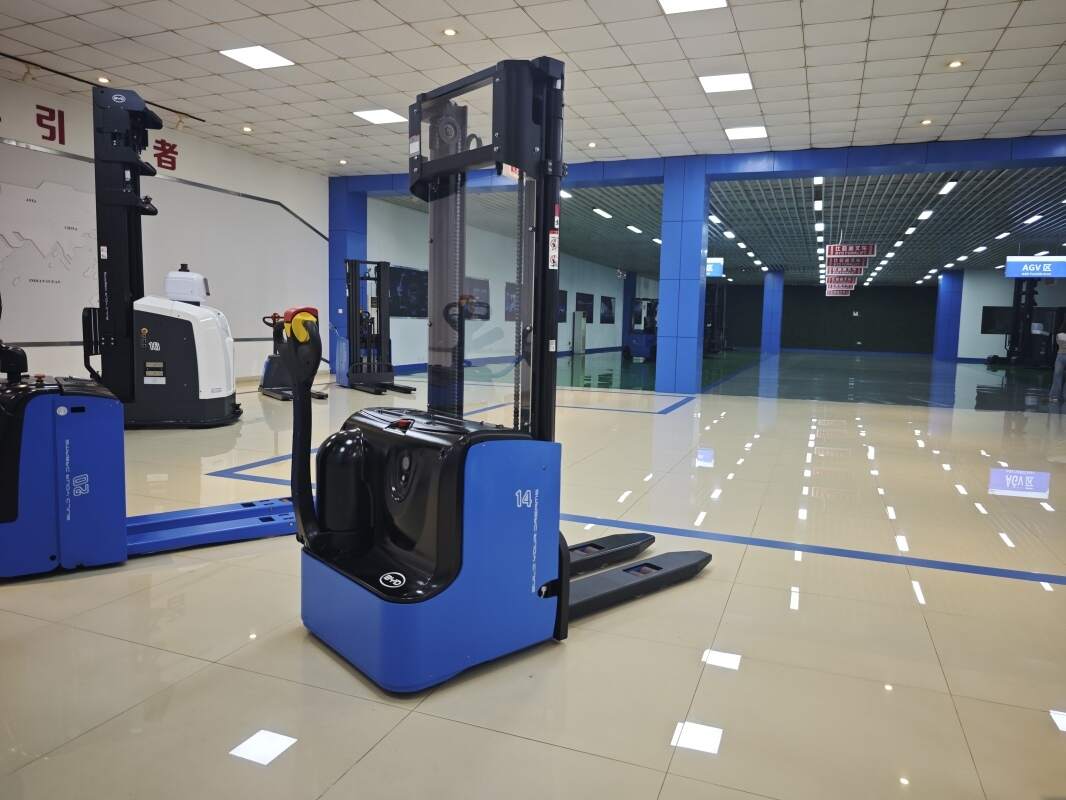
Against the background of growing demand for low-carbon and low-noise material handling solutions, electric forklifts have been widely applied in scenarios including closed warehouses, cold chain storage and retail distribution centers in recent years. Mastering proper usage and management methods can help enterprises give full play to the advantages of such equipment, and create more stable operation benefits for daily logistics processes.
Core Pre-operation Inspection Protocols
Before starting any formal operation, operators need to complete a set of standardized inspection procedures to avoid potential hidden dangers in subsequent use. The inspection scope covers the remaining power status of the power unit, the flexibility of the braking and steering system, the wear degree of the fork arm and the surrounding operation space without obstacles. Operators should also confirm that the warning light and sound prompt device of the equipment can work normally, so as to avoid accidental risks in the process of high-frequency cargo handling.
Standard Operation Habits to Extend Equipment Service Cycle
Forming stable and standardized operation habits helps reduce unnecessary loss of core components. During the driving process, operators should avoid frequent rapid acceleration and sudden braking under heavy load state, and keep the gantry balanced when lifting or lowering goods. When passing through the ramp area, the equipment should move at a low speed, and the heavy load side should face the upper direction of the ramp to avoid side slip risk. Operators also need to strictly follow the rated load mark of the equipment, and do not carry over-weighted goods for a long time, so as to avoid excessive loss of hydraulic system and power components.
Routine Maintenance Suggestions for Stable Long-term Operation
Daily maintenance work that matches the use frequency can effectively reduce the failure rate of electric forklifts. For the power unit, operators should follow the specified charging process to avoid over-discharging and over-charging, and regularly clean the dust and sediment on the surface of the battery assembly. The hydraulic oil status of the lifting system should be checked regularly, and the lubrication maintenance of the transmission and rotating connection parts should be completed on schedule. The dust-proof treatment of the internal circuit part also helps reduce the probability of short circuit failure in high-dust working scenarios. These targeted operation and management measures can help electric forklifts maintain a stable working state for a long time, further improve the overall efficiency of warehouse material handling, and better adapt to the development needs of modern low-carbon logistics systems.


