
 简体中文
 Русский
 Français
 Português
 Español
 لالعربية


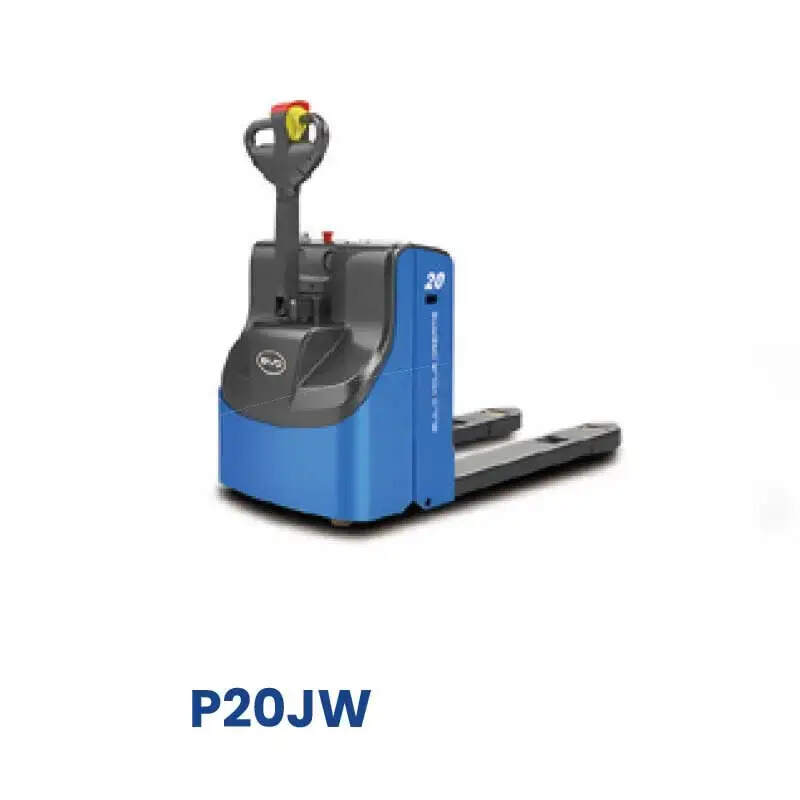
As the core equipment of modern warehouse and industrial material handling, electric forklifts have been widely applied in various scenarios for their low noise, zero local emission and flexible operation features. For most enterprise operation and management teams, mastering systematic professional knowledge of electric forklift use can effectively extend service life and reduce comprehensive operating cost, bringing stable support for daily material sorting and transfer work.
Basic Operation Norms for Daily Use
Before starting each shift, operators need to complete a full pre-use inspection, which covers brake sensitivity, remaining power level, hydraulic lifting system status and peripheral warning function check. During the operation process, operators should avoid overloading beyond the rated load range, keep a safe distance from surrounding pedestrians and goods stacks, and avoid sharp steering at high moving speed. When driving on sloped paths, keep the load facing the uphill direction and do not turn on the slope to avoid sideslip risks. After finishing the daily work, operators should park the vehicle in the designated area, lower the lifting fork to a proper low position and cut off the main power supply.
Routine Maintenance Core Points
Regular maintenance work is the key to keep electric forklifts in stable working condition for a long period. Operators need to keep the surface of power cell components clean regularly, check the tightness of connecting ports to avoid poor contact caused by dust accumulation, and avoid long-term over-discharge of the power system to protect the overall battery performance. It is also necessary to check the tire wear degree and hydraulic oil level at fixed intervals, check the aging condition of internal wiring, and follow the official manufacturer’s guidance to complete regular professional inspection, do not disassemble the built-in electric components without professional permission.
Energy Efficiency Optimization Strategies
Users can improve the overall energy efficiency of electric forklifts through small adjustments in daily operation. The management team can plan a reasonable material transfer route according to the warehouse layout, reduce unnecessary empty driving distance to cut extra power consumption. When the vehicle needs to stay for more than 3 minutes during work, turn off the standby power function to avoid unnecessary power loss. Teams can also arrange the charging schedule according to the actual operation peak, to make full use of the power supply configuration and reduce the extra energy consumption caused by frequent short-time charging. Proper use and maintenance of electric forklifts can not only improve the safety level of daily material handling, but also effectively reduce the long-term comprehensive operation cost of the industrial site.


