
 简体中文
简体中文 Русский
 Français
 Português
 Español
 لالعربية

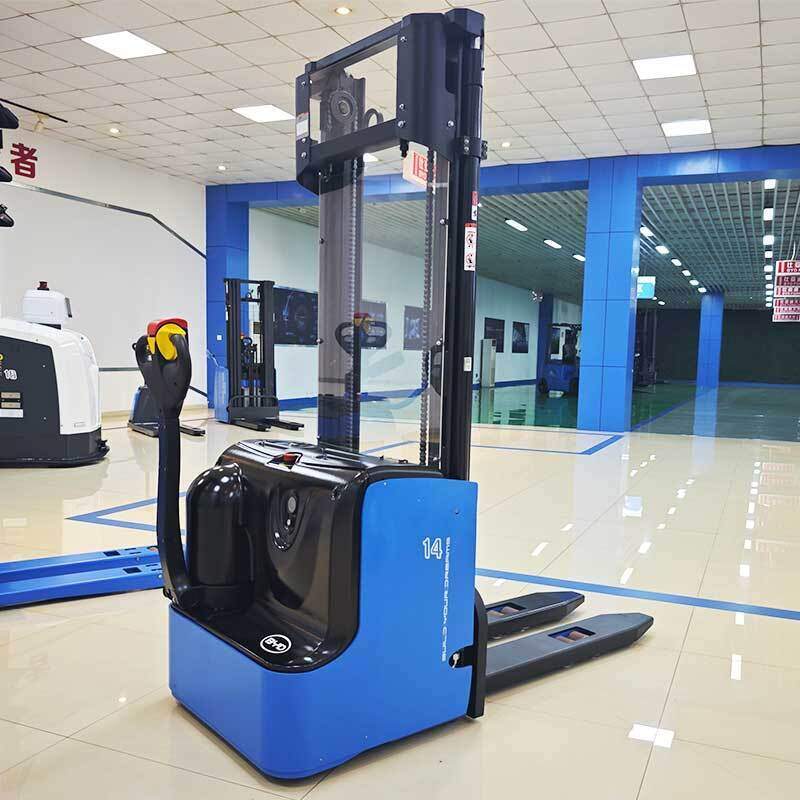
Against the background of low-carbon transformation of industrial logistics, electric forklifts have gradually become one of the most widely used material handling tools in closed warehouse scenarios, with higher market acceptance than fuel-powered counterparts in recent years. Mastering correct use and maintenance methods can give full play to the inherent performance of the equipment and create more stable operation value for on-site logistics management.
Core Performance Characteristics of Standard Electric Forklifts
Different from traditional internal combustion handling equipment, electric forklifts rely on on-board battery packs as the power source, which produces almost no exhaust emissions during operation, and the overall noise level is significantly lower than fuel models. Such characteristics make them more suitable for indoor closed scenarios such as food storage, pharmaceutical warehouses, and e-commerce sorting centers, without the need for additional ventilation configuration to discharge exhaust gas in a small working space. Most of the current mainstream products adopt a modular power design, and the operation control logic is more user-friendly, which reduces the learning threshold for new operators to a certain extent.
Routine Daily Maintenance Points to Avoid Unnecessary Failures
Carrying out standardized daily inspection work before each use can effectively reduce the probability of sudden equipment failure during peak operation periods. Operators need to check the remaining power of the battery pack, the wear degree of the driving wheel and lifting hydraulic parts, and the sensitivity of the braking and lighting system before starting the machine every day. After the daily work is over, the equipment should be parked in the designated charging area, the battery should be charged according to the standard process, and the sundries on the body surface and the counterweight gap should be cleaned in time. It is not recommended to store the battery in a state of complete power loss for a long time, which will affect the overall cycle life of the power system.
Standard Operation Specifications to Improve Overall Work Efficiency
Operators should carry out operation training that matches the equipment model before taking up the job, and arrange the handling route reasonably according to the weight of the loaded goods and the width of the passage, to avoid frequent sharp turning and emergency braking actions in the narrow warehouse passage. When the equipment is running with heavy load, the lifting speed of the fork should be controlled within the rated range, so as not to cause the goods to fall accidentally or damage the internal structure of the hydraulic system. Reasonable matching of different types of electric forklifts according to the specific operation scenarios can also effectively reduce the unnecessary power consumption in the working process, and help the whole warehouse logistics system to maintain a stable operation state for a long time.


