
 简体中文
 Русский
 Français
 Português
 Español
 لالعربية


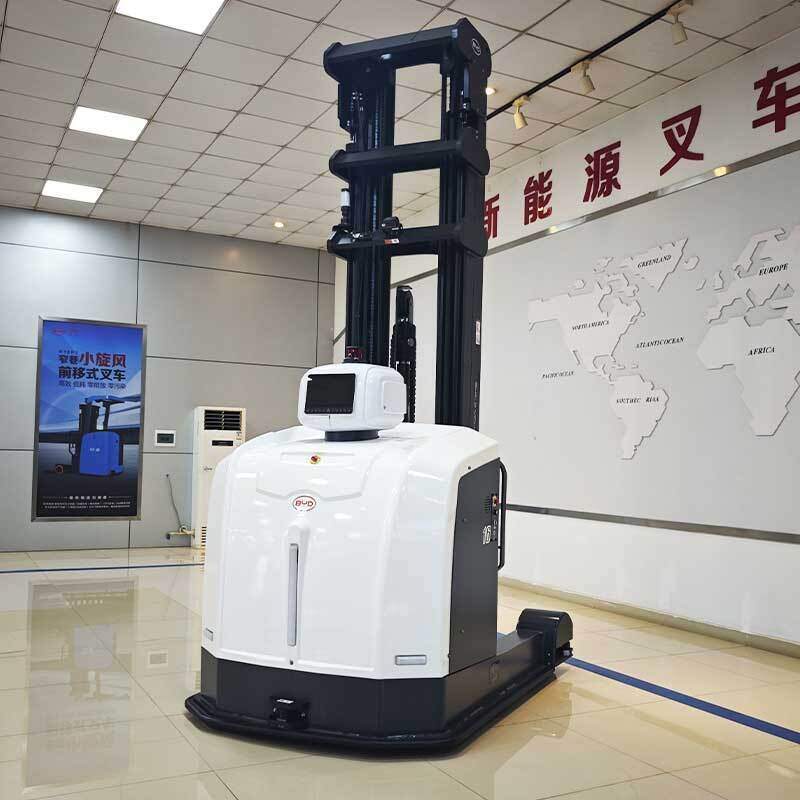
As the global logistics and manufacturing sectors prioritize low-carbon operation and workplace safety, electric forklifts have become a widely adopted choice for indoor and semi-outdoor material handling scenarios. Understanding proper usage and management rules can help users maximize the value of the equipment in daily operations.
Core Functional Advantages of Electric Forklifts
Compared with traditional internal combustion counterparts, electric forklifts produce no tail emissions during operation, which fits well with enclosed warehouse, food processing and pharmaceutical production scenarios that have strict air quality requirements. The overall noise level during operation is relatively low, which reduces long-term noise interference to on-site workers, and creates a more comfortable working environment for personnel who work long hours in the handling area. The power system of most electric forklifts has fewer wearing parts, so the regular operation cost per unit time stays at a relatively controllable range for most users.
Standard Pre-use Inspection Workflow
Before each formal shift operation, operators need to complete a set of basic inspection steps to reduce hidden risks in subsequent operations. They can first check the remaining power level of the power battery, confirm that the power output meets the requirement of the planned handling volume of the day, then check the braking system, steering flexibility, and the normal lifting and tilting function of the fork assembly. Operators also need to check the integrity of safety warning lights and surrounding alarm devices, and confirm that there is no obvious damage or foreign matter blockage on the running wheels. If any abnormal sign is found in the inspection process, the equipment should not be put into use before the hidden trouble is eliminated.
Daily Operation Efficiency Optimization Tips
In the actual handling process, operators can plan the moving path in advance according to the cargo stacking layout, reduce unnecessary repeated steering and long-distance idle driving, which can save extra power consumption effectively. When carrying heavy loads, keep the cargo at a proper low lifting height during moving, to avoid the risk of cargo tipping and reduce extra energy consumption of the lifting system. It is also recommended that operators arrange the usage schedule of multiple forklifts reasonably according to the peak of handling tasks, to avoid long-time overload operation of a single device.
Routine Maintenance Suggestions
After the daily operation is finished, operators can wipe the surface dust and cargo residues off the equipment, park the forklift in the designated fixed position, and lower the fork to the ground properly. For the power battery part, follow the recommended charging specifications, avoid deep discharge for a long time, and arrange regular battery performance check according to the actual usage frequency, to extend the overall service life of the core components. For other transmission and moving parts, add proper amount of lubricant on schedule as required, to keep the equipment stay in stable working state for a long period.


