
 简体中文
 Русский
 Français
 Português
 Español
 لالعربية


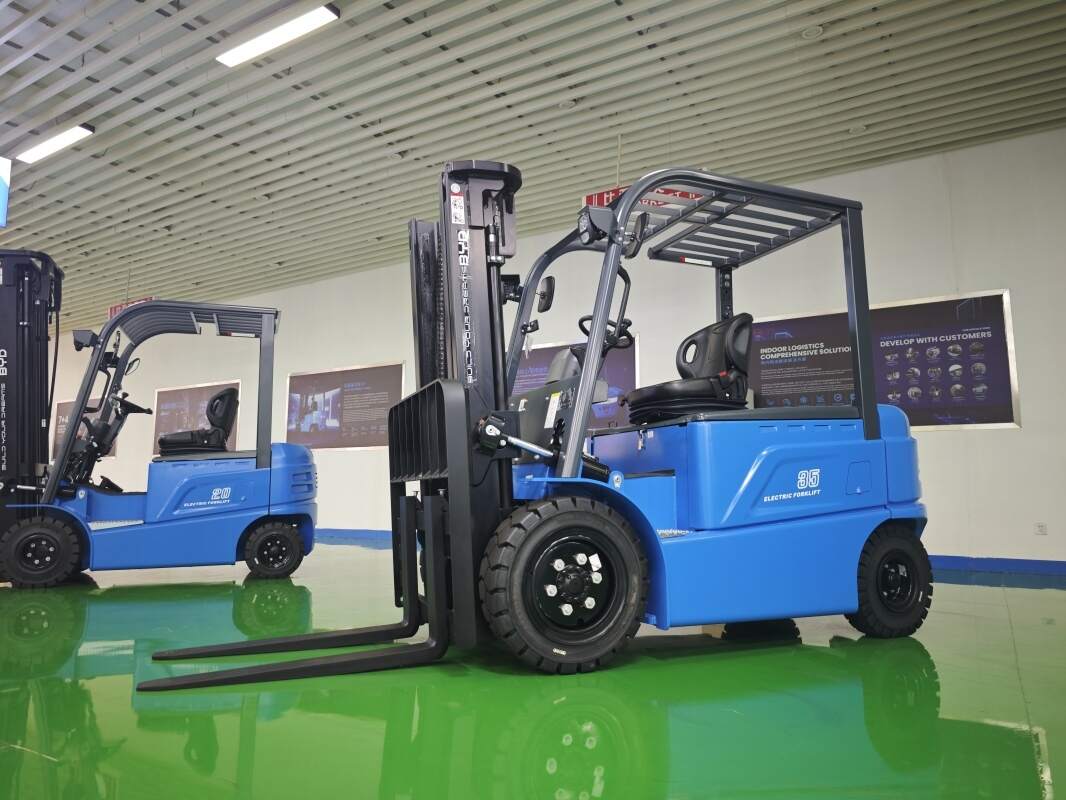
As the low-carbon transformation of industrial logistics continues to advance, electric forklifts have become one of the most widely used material handling equipment in indoor storage, manufacturing workshops and port distribution yards. Many enterprise operators still have gaps in mastering correct usage and maintenance methods, which may lead to unnecessary equipment loss or hidden safety risks.
Core Performance Adaptability of Electric Forklifts for Different Work Scenarios
Different working scenarios put forward differentiated requirements for the configuration of electric forklifts. For dense narrow-aisle warehouses, models with small turning radius can effectively improve the utilization rate of storage space. For low-temperature cold storage scenarios, matching corresponding low-temperature protection components can avoid abnormal operation of core circuits under ultra-low temperature conditions. For long-distance material transfer in open yards, configurations with larger battery capacity can meet the needs of continuous operation for longer hours without frequent charging. Users can select appropriate configuration parameters according to their actual operation scenarios, instead of blindly pursuing excess performance that will cause unnecessary cost waste.
Routine Daily Maintenance Rules to Extend Service Life
Standardized daily maintenance can effectively reduce the failure rate of electric forklifts and prolong the overall service cycle of the equipment. The daily pre-shift inspection includes checking the remaining power of the power battery, confirming whether the brake response is sensitive, checking for hydraulic oil leakage of the lifting system, and observing the wear degree of the driving wheel surface. After the daily operation is completed, the equipment should be parked in a dry and ventilated designated area, and the surface dust and residual sundries on the body should be cleaned regularly. It is not recommended to expose the fully charged battery to high temperature environment for a long time, and avoid deep discharge below the recommended remaining power threshold to protect the overall health of the battery pack.
Standardized Operation Tips to Reduce Safety Risks
Operating personnel need to receive systematic pre-post training to master the correct operation logic of electric forklifts. During the operation process, the actual load should not exceed the rated load range specified in the equipment manual, and the driving speed should be reduced in time when turning or passing intersections to avoid side rollover or collision accidents. When driving on sloped roads, keep the load facing the uphill direction to prevent goods from slipping and falling. The charging process must be carried out in a non-flammable, well-ventilated special area, and do not place inflammable and explosive items around the charging pile to avoid potential safety hazards. Scientific operation and maintenance arrangements can help enterprises obtain more stable long-term use returns from the equipment.


