
 简体中文
简体中文 Русский
 Français
 Português
 Español
 لالعربية

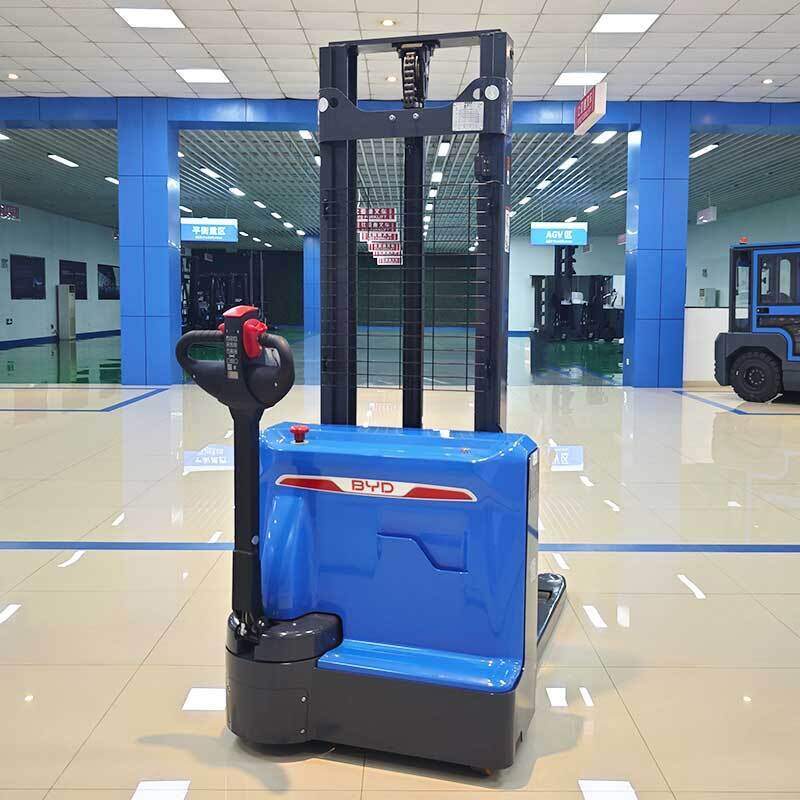
Many in-service legacy electric forklift chassis originally come with factory-fitted lead-acid batteries, and a growing number of fleet operators choose certified lead-acid replacement lithium-ion kits to extend the service life of existing equipment, without purchasing brand new forklift units. Reasonable parameter comparison can help users select the most matching kit products that fit their actual operation scenarios, avoiding mismatches that may cause unnecessary operation risks.
First, the core dimension of installation and adaptation parameters. The lead-acid battery compartment of the legacy forklift chassis has fixed reserved size and interface positions. Qualified replacement kits share similar overall footprint as original lead-acid batteries, so no extra cutting or modification work on the chassis metal structure is required. Different kits have varied integration levels: some all-in-one kits embed BMS modules inside the battery casing, requiring no extra space for separate component placement, which can cut total installation time to less than 2 hours. Other split-design kits need reserved external wiring space, and users need to confirm the size match before purchase to avoid the situation that the kit cannot be placed in the original battery compartment. The original power output interface of the forklift chassis also has fixed rated values, and the selected kit must conform to the interface protocol to avoid adaptation failure.
Second, the comparison of core performance parameters. Under the same outer casing size, the usable capacity of different lithium-ion kits has obvious differences. Conventional products offer 1.5 times the capacity of lead-acid batteries with the same weight, while high-capacity models can reach 2 times the capacity, supporting longer continuous operation time without intermediate battery swap. For cycle life indicators, common products have a cycle life ranging from 1200 to 2000 times, while high-quality models can reach more than 3000 cycles, effectively reducing the average battery replacement cost during the whole service cycle. For charging efficiency, the maximum charging rate supported by different kits ranges from 0.5C to 1C, and fast-charging compatible kits can charge 90% of total capacity within 2 hours, no extra complicated charging conversion devices needed.
Third, the comparison of operation and safety parameters. Basic level kits only support local over-charge, over-discharge and over-current protection, while advanced embedded BMS kits support remote query of battery status data, making daily operation management easier. The waterproof rating of different kits ranges from IP54 to IP67, and users working in outdoor humid or splash-prone scenarios can select products with higher waterproof level to extend the service life of the kit. All selection work should be based on the original rated voltage and load threshold of the legacy forklift chassis, to ensure the retrofit process is stable and reliable, and bring better comprehensive return for the whole fleet.


