
 简体中文
简体中文 Русский
 Français
 Português
 Español
 لالعربية

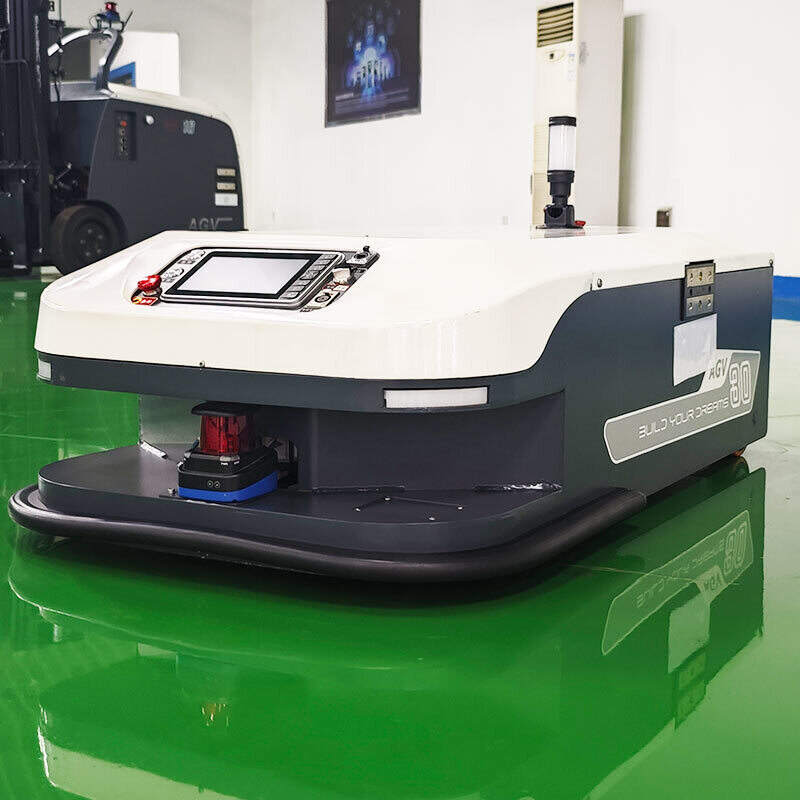
As the core equipment for modern warehouse and industrial material handling, electric forklifts have been widely adopted for their low noise, zero local emission and stable running performance. Many operators fail to grasp the correct usage and maintenance logic, leading to unexpected performance degradation, shortened service life and increased operating cost. This guide offers systematic practical suggestions for related practitioners to reference.
Core Pre-operation Inspection Norms
Before each shift starts, operators need to complete a set of standardized inspection procedures without omission. They can first check the power supply status, confirm the remaining power level and check whether the power connecting interface has loose or abnormal wear. Next, check the braking system, steering flexibility and lifting mechanism operation status, to rule out hidden risks such as unresponsive braking and jamming during lifting. They also need to check the tire surface condition, confirm no obvious cracks or embedded sharp objects that may affect running stability.
Scientific Daily Operation Guidelines
During normal operation, operators need to follow the load marking requirements of the equipment, avoid long-time overload operation that may cause extra pressure on the drive motor and hydraulic system. When turning on uneven ground, operators need to slow down properly, avoid sharp turns at high speed to prevent side slip risk. For long-distance traveling between different working areas, keep the load at a low lifting height as much as possible, to reduce the center of gravity of the whole vehicle and improve running safety. Do not leave the equipment with load suspended for a long time during temporary shutdown, to avoid unnecessary loss of hydraulic components.
Targeted Routine Maintenance Strategies
According to the accumulated working hours of the equipment, arrange regular maintenance work at corresponding intervals. For the power system, complete regular cleaning of the electrode plates and surface dust removal, avoid long-term full discharge status to extend the overall battery cycle life. For the hydraulic system, regularly check the hydraulic oil level and oil quality, replace the old hydraulic oil that has been used for a certain period, and clear the impurities in the oil circuit on schedule. The moving parts of the vehicle body need to be lubricated with special lubricant regularly, to reduce friction loss between components.
Energy Consumption Optimization Methods
Reasonable operation habits can effectively reduce the overall energy consumption of electric forklifts and prolong the single-shift continuous working time. Operators can plan the handling route reasonably in advance, reduce unnecessary repeated travels and frequent start and stop operations. Under low ambient temperature, properly preheat the equipment for a short time before formal operation, so as to avoid the increase of internal resistance of the power system that leads to extra energy consumption. After the daily operation is finished, park the equipment in a dry and ventilated designated area, complete full charge in time to keep the power module in good working condition.


