
 简体中文
简体中文 Русский
 Français
 Português
 Español
 لالعربية

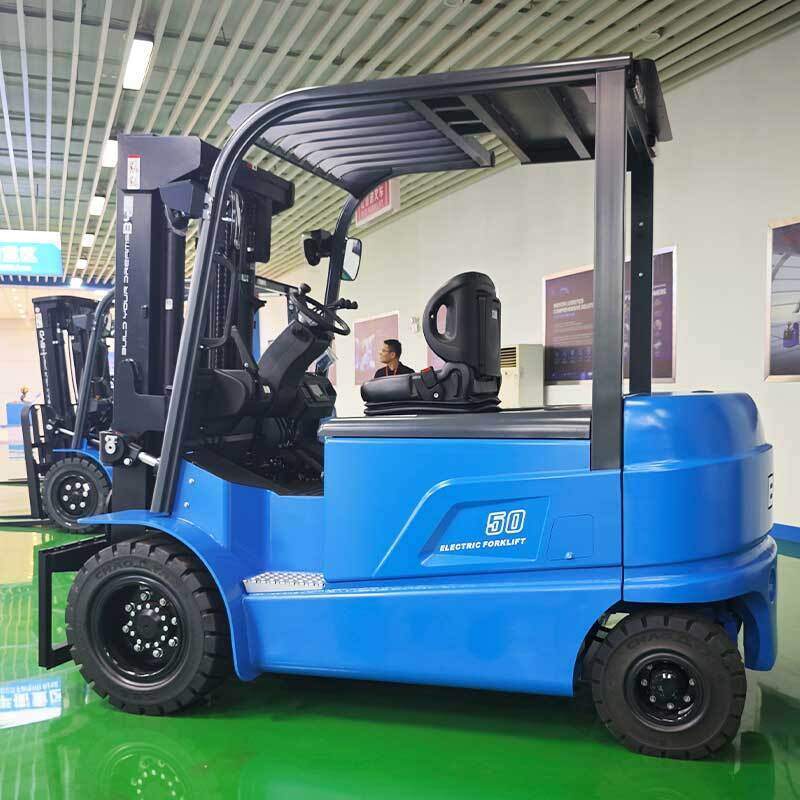
As the global logistics and warehousing industry continues to promote low-carbon transformation and refined cost management, electric forklifts have become a popular option for material handling work in enclosed or indoor working scenarios in recent years. This guide sorts out practical, industry-recognized knowledge points related to electric forklift deployment and use, to provide reference for relevant practitioners.
Core Performance Advantages of Electric Forklifts
Different from traditional fuel-powered handling equipment, electric forklifts generate no exhaust gas during the whole operation process, which can meet the environmental access requirements of enclosed spaces such as fresh food storage workshops, pharmaceutical warehouses, and garment sorting centers. The overall noise level during operation is also controlled at a relatively low range, which will not cause continuous noise disturbance to staff working in the same area for a long time. The body weight distribution of most models is optimized for narrow channel scenarios, and the steering and acceleration response is smoother, which effectively reduces the physical fatigue of operators after long hours of continuous work.
Standardized Operation Guidelines to Reduce Hidden Risks
All personnel who operate electric forklifts need to receive systematic pre-job training to be familiar with the basic performance parameters of the equipment before officially starting the work. Before each shift, operators need to check the sensitivity of the brake system, the remaining power of the power unit, and the deformation and wear status of the forks to avoid potential safety hazards caused by missing inspection. During the operation process, the overload value specified by the equipment should not be exceeded, and sharp steering operations on non-flat slopes are not allowed. When the working area has passing personnel, the operator needs to send out a warning prompt in advance to confirm the safety of the surrounding environment before continuing to move. The charging process must be carried out in a designated, well-ventilated independent area, and non-compliant charging accessories that do not match the equipment parameters should not be used.
Scientific Daily Maintenance to Optimize Lifecycle Value
Routine maintenance work can effectively reduce the probability of unplanned downtime of electric forklifts and extend the stable service cycle of the equipment. Operators can regularly clean the dust and accumulated water stains near the electrical connection ports to avoid poor contact of the circuit system caused by long-term dirt accumulation. It is also necessary to regularly check the wear degree of the solid tires and the sealing performance of the hydraulic system, and replace the worn parts in time according to the corresponding operation manual. Arranging professional personnel to conduct a comprehensive system inspection of the equipment on a regular monthly or quarterly basis can help enterprises better control the overall operation cost of the material handling link, and make the electric forklift better adapt to the daily operation needs of different scales of warehousing scenarios.


