
 简体中文
简体中文 Русский
 Français
 Português
 Español
 لالعربية

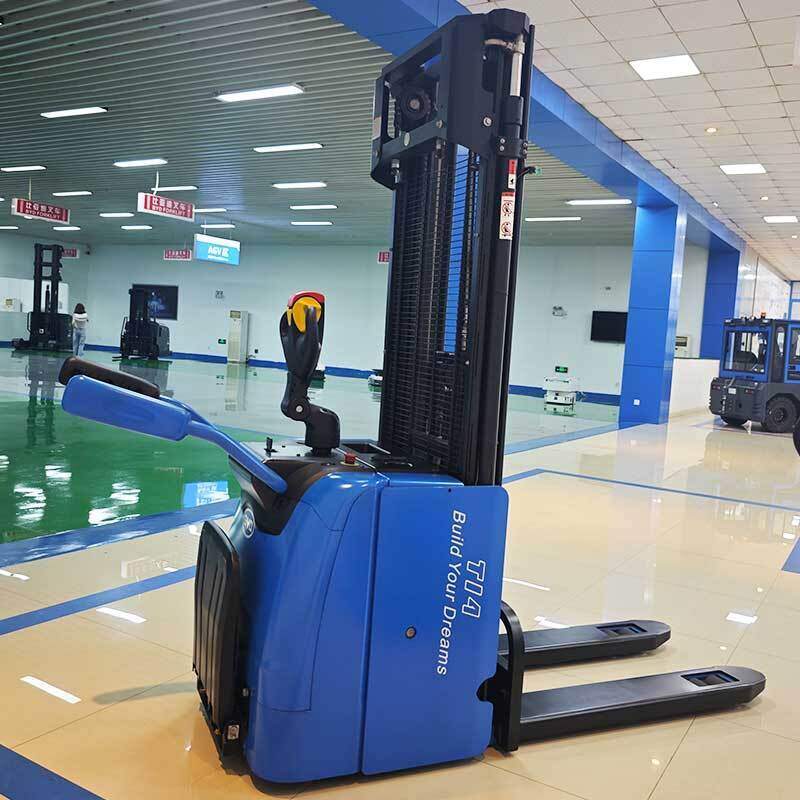
As the demand for high-density warehouse storage, high-altitude cargo sorting and heavy material handling continues to rise, high-lifting-height electric forklifts have become core equipment in modern logistics scenarios. The mast, as the key load-bearing and moving component of such forklifts, its deflection performance directly affects operation safety, operation accuracy and service life of the whole equipment. Reasonable setting of mast deflection-related parameter indicators is the core prerequisite for standardized product design and batch performance verification.
The first core indicator is static load rated deflection under full lifting height. This parameter refers to the maximum allowable horizontal deformation value of the inner and outer mast sections when the fork carries the rated load and stays at the maximum lifting height under static, no-impact and horizontal ground conditions. The indicator should be formulated in combination with the overall rigidity matching of the forklift, and shall not exceed the safe threshold that will cause the forward tilt of the cargo to exceed the allowable range, or interfere with the normal operation of the hydraulic lifting chain and sliding roller mechanism.
The second key parameter is dynamic deflection under conventional operating conditions. This indicator covers the mast deformation value generated in multiple scenarios including uniform acceleration driving with full load at maximum lifting height, small-amplitude steering operation, and slight uneven road surface passing. The corresponding index setting needs to reserve a reasonable safety margin to avoid resonance between the mast structure and the vehicle power system, and prevent abnormal wear of the slide rail parts caused by frequent alternating deformation.
The third supplementary parameter is deflection variation under extreme temperature conditions. In low or high temperature environments, the physical properties of mast metal materials and sealing components will change correspondingly, the index of allowable deflection fluctuation within the specified temperature range can effectively ensure that the forklift can maintain stable operation performance in different regional application scenarios. All the above parameter indicators need to be verified through repeated sample tests and actual scenario simulation, to achieve a balanced match among product manufacturing cost, operation safety and user experience, and provide reliable support for the stable operation of high-lifting-height electric forklifts in various industrial scenarios.


