
 简体中文
简体中文 Русский
 Français
 Português
 Español
 لالعربية

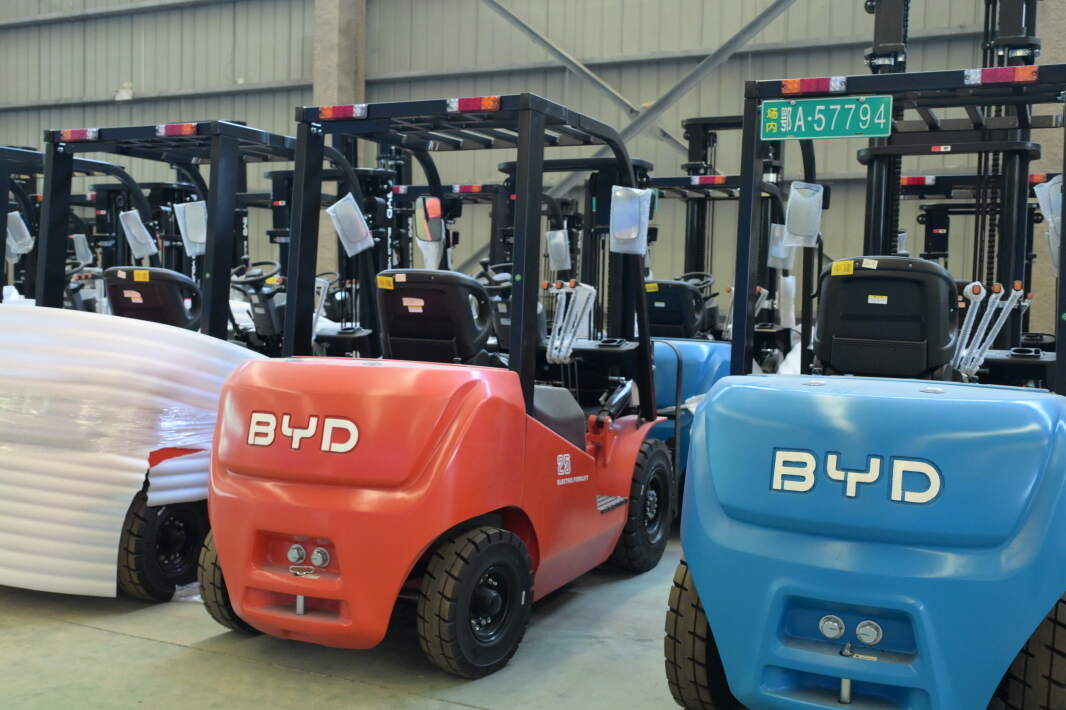
Low-entry electric pallet trucks are widely adopted in small and medium-sized warehouse scenarios, retail logistics and narrow-aisle operation environments for their easy access to tight spaces and user-friendly operation thresholds. When handling different types of pallets, most operators pay more attention to rated load capacity and maximum lifting height, while easily ignoring the importance of fork-tip height parameters, especially for operation scenarios with large usage of closed-bottom pallets.
Unlike open-structure pallets with pre-reserved fork entry gaps, closed-bottom pallets have no open gaps at the bottom surface, and the only allowed insertion space is between the pallet bottom and the ground supporting feet. If the fork-tip height parameters do not match the actual pallet specification, operators may face multiple unexpected operation risks, including pallet bottom piercing, unsmooth fork entry, accidental jacking of bottom packaged goods, and even pallet tipping during the transporting process.
The core reference standard for fork-tip height parameters starts from the no-load status. Under standard no-load condition, the lowest vertical distance between the fork-tip bottom and the ground should keep at least 10mm of redundancy smaller than the actual gap between the closed-bottom pallet bottom and the supporting foot bottom. This reserved space can offset the height error caused by small bumps on the warehouse ground, floor joint height difference and tiny tire pressure change, to avoid the fork tip directly scraping the bottom of the pallet or being stuck under the pallet during fork insertion.
Operators also need to take the load-induced fork sinking factor into full consideration. After the pallet truck carries rated load, the fork arm will produce tiny and allowed elastic deformation, which will make the fork-tip height drop by a certain range. The maximum fork-tip drop value under full load should not exceed the safe threshold that will make the fork top contact the bottom of the pallet’s internal supporting beam. It is not allowed to modify the factory-set hydraulic limit parameters without professional guidance, to avoid over-range change of fork-tip height that brings hidden safety hazards.
In daily operation and maintenance, relevant personnel should regularly calibrate the fork-tip height parameters before processing batches of closed-bottom pallets of new specifications, and check the deformation status of fork arms periodically. Proper application of matched fork-tip height parameters can effectively reduce the damage rate of pallets, lower the probability of cargo damage, and make the whole material handling process more stable and efficient.


