
 简体中文
 Русский
 Français
 Português
 Español
 لالعربية


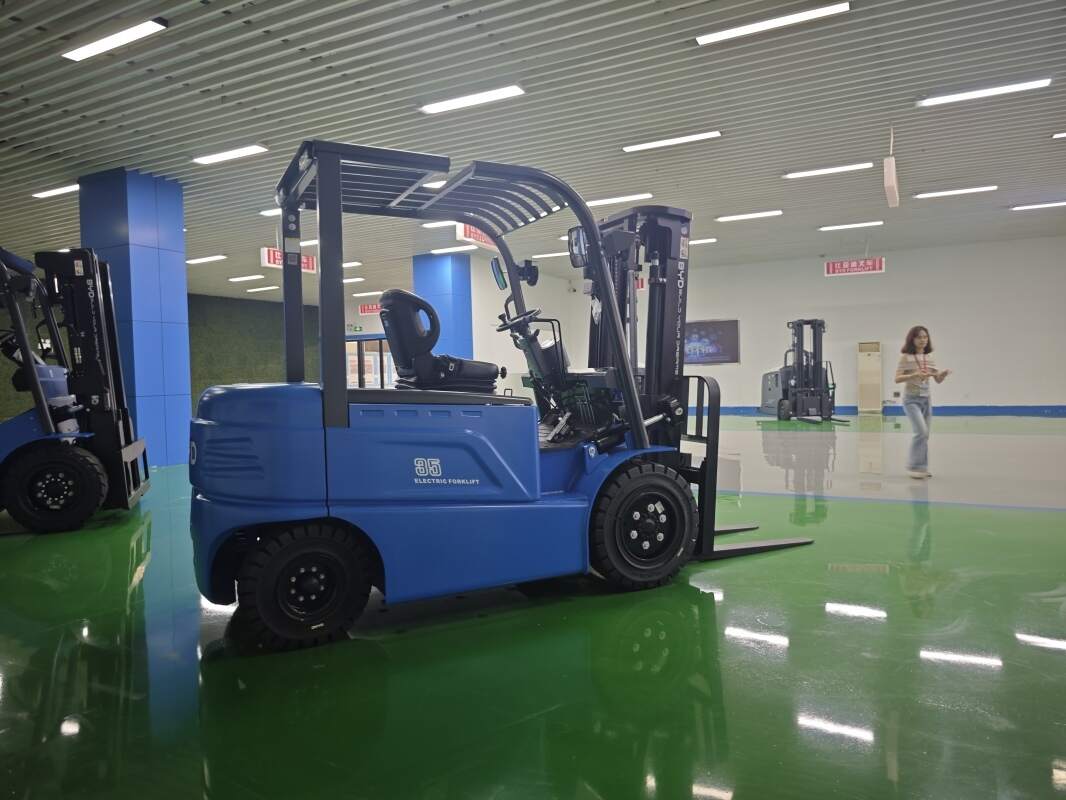
Against the background of accelerating low-carbon transformation in the industrial logistics sector, electric forklifts have become one of the most widely adopted material handling equipment for small, medium and large warehouse operators, due to their relatively low noise, zero local emissions and flexible operation features. To help relevant practitioners master correct usage logic, avoid unnecessary equipment wear and improve overall handling efficiency, this guide sorts out systematic practical points covering multiple core links of daily use.
Core Operating Specifications for Daily electric forklift Use
Before starting each shift, operators need to conduct a basic inspection around the equipment, including checking the remaining power of the power system, the flexibility of the lifting and steering mechanism, and the wear status of the walking wheels, to eliminate hidden risks before formal operation. During the operation process, operators need to keep the load center within the allowable range specified by the equipment parameters, avoid sudden acceleration and sudden braking actions as much as possible, and keep a safe distance from surrounding staff and storage shelves to reduce the probability of collision accidents. For the operation of picking and placing goods at high positions, operators need to adjust the mast to a proper tilt angle according to the actual weight of the goods, to prevent the goods from slipping off the forks during the lifting process.
Routine Maintenance Tips to Extend Equipment Service Life
After finishing the daily operation, operators need to park the equipment in the designated special parking area, lower the forks to a position 10 to 15 centimeters away from the ground, and cut off the whole power supply of the equipment in time. For the power battery part, staff should follow the corresponding charging specifications, avoid over-discharging the battery for a long time, and clean the dust and sundries on the surface of the battery compartment regularly to maintain good heat dissipation performance. The transmission part of the equipment can be added with a proper amount of lubricating oil on a regular basis according to the actual operating frequency, to reduce the friction loss between different mechanical components, and avoid abnormal noise or jamming during subsequent operation.
Scenario-based Efficiency Optimization Strategies
For narrow aisle warehouse scenarios, operators can adjust the running speed to a relatively low level in advance, and plan the optimal moving path according to the distribution of goods shelves, so as to reduce the unnecessary waiting time in the turning process. For the scene of frequent loading and unloading of goods at the platform, operators can cooperate with the sorting staff to complete the pre-check of goods stability in advance, to shorten the single operation cycle. Regularly organize operators to participate in professional skill training, can also help the team form a more standardized operation habit, further improve the overall safety and operation efficiency of the whole handling link.


