
 简体中文
简体中文 Русский
 Français
 Português
 Español
 لالعربية

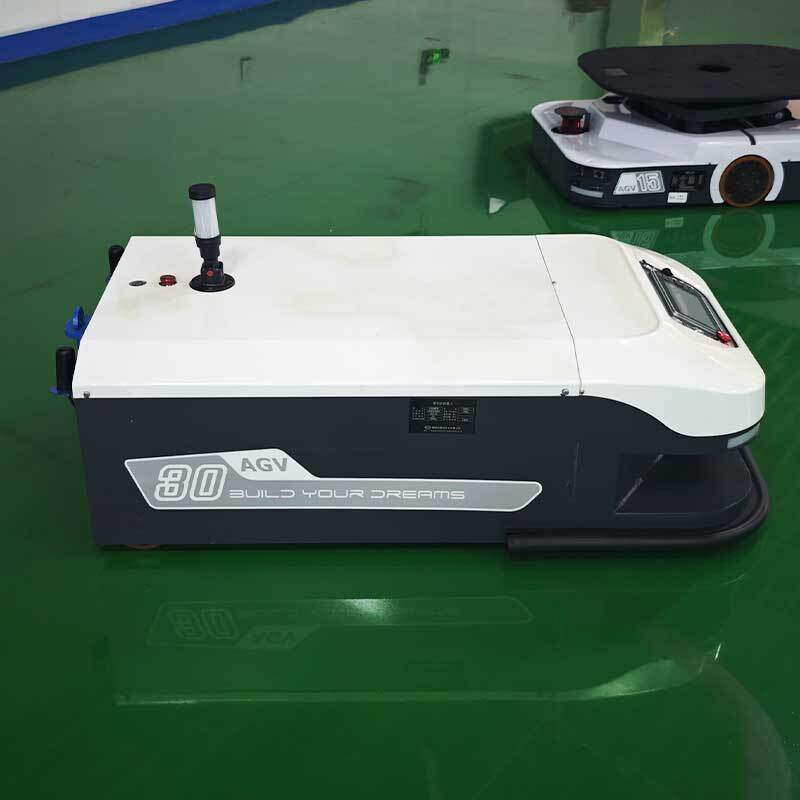
As low-carbon logistics concepts gain wider recognition across the material handling industry, electric forklifts have become one of the most widely applied equipment choices for indoor and closed operation scenarios in recent years. Mastering correct operation, maintenance and scenario matching methods can help logistics teams maximize the value of this type of equipment in daily work.
Core Advantages of Electric Forklifts in Daily Operation
Compared with traditional internal combustion powered counterparts, electric forklifts produce no exhaust emissions during operation, which can effectively reduce air pollution in enclosed warehouse spaces and lower the risk of operator discomfort caused by exhaust accumulation. The operating noise level of qualified electric forklifts is also significantly lower, which helps create a quieter working environment that reduces worker fatigue during long shifts. Most electric forklift models adopt integrated power transmission structures, which have relatively fewer moving friction parts, lowering the requirement for frequent lubrication and adjustment work in regular operation.
Standardized Operation Norms to Reduce Safety Risks
Operators need to complete professional pre-job training before using electric forklifts, and get familiar with the load limit, lifting height range and turning radius parameters of the specific equipment they use. Before each shift, operators need to conduct basic checks on the remaining battery power, brake response status, fork fastening condition and lighting function, and do not start operation if any abnormal sign is found. During operation, operators should avoid sudden acceleration or sharp turning when carrying heavy loads, and keep a safe distance with surrounding shelves, staff and other operation equipment to avoid unnecessary collision risks. It is also not recommended to use electric forklifts to carry loads that exceed the rated load limit for a long time, which may cause extra wear to the load bearing structure.
Routine Maintenance Guidance for Longer Service Cycle
The battery module is the core component of electric forklifts, so operators need to follow the official recommended charging procedures, and avoid over-discharging the battery to extremely low power level before charging. After daily operation, it is suggested to park the equipment in a dry and ventilated designated area, and clean the dust and sundries attached to the surface of the body and heat dissipation components on a regular basis. Professional maintenance personnel can conduct quarterly comprehensive inspection on the circuit system, walking motor and hydraulic lifting structure, to replace worn parts in time before small problems evolve into bigger faults. For teams that arrange multi-shift operation, it is advisable to prepare spare battery units to ensure continuous operation efficiency without long downtime for charging.


