
 简体中文
 Русский
 Français
 Português
 Español
 لالعربية


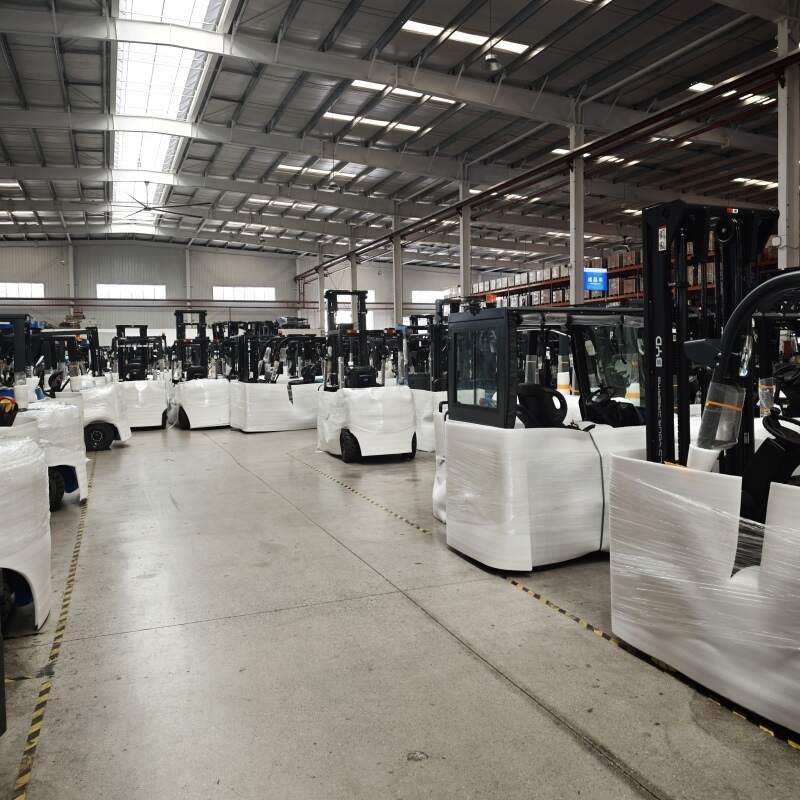
Against the background of growing demand for low-carbon and high-efficiency logistics operations, electric forklifts have gradually become one of the most widely used material handling equipment in indoor and closed working environments. Mastering systematic knowledge of electric forklift use and management can help relevant practitioners reduce unnecessary operation risks and improve overall work efficiency.
Core Advantages of Electric Forklifts in Material Handling
Compared with internal combustion handling equipment, electric forklifts produce no exhaust emissions during operation, which can meet the environmental protection requirements of closed spaces such as food processing workshops and pharmaceutical storage areas. The overall noise level during operation is also significantly lower, which can reduce noise interference to surrounding staff in densely arranged warehouse areas. Most electric forklift models are designed with compact body structure, which can pass through narrower operation aisles to make full use of limited warehouse storage space.
Standard Operation Specifications for Safe Daily Use
Before starting the equipment, operators need to check the remaining power state of the power supply, the flexibility of the steering system and the normal response of the braking device first. During the operation process, operators should avoid sudden acceleration or sharp turning as much as possible, and keep the load center within the allowable range marked on the equipment nameplate. When the equipment is running on the ramp, it is not allowed to turn or operate the lifting mechanism, and the goods should be kept at a low position to maintain the stability of the whole vehicle. After the daily operation is completed, the equipment should be parked in the designated area, the fork should be lowered to the ground, and the power supply should be cut off completely.
Routine Maintenance Tips to Stabilize Equipment Performance
Regularly clean the dust and sundries accumulated on the surface of the motor and electrical connection interface to avoid poor contact caused by long-term dust deposition. According to the requirements of the equipment manual, check the lubrication state of transmission parts such as bearings and rollers regularly, and add appropriate amount of lubricating grease to reduce component wear. For the power supply module, avoid long-term over-discharge or overcharge, and arrange regular professional inspection of the battery cell state to prolong the overall service life of the power system, so as to keep the equipment in good working state for a long time.


