
 简体中文
 Русский
 Français
 Português
 Español
 لالعربية


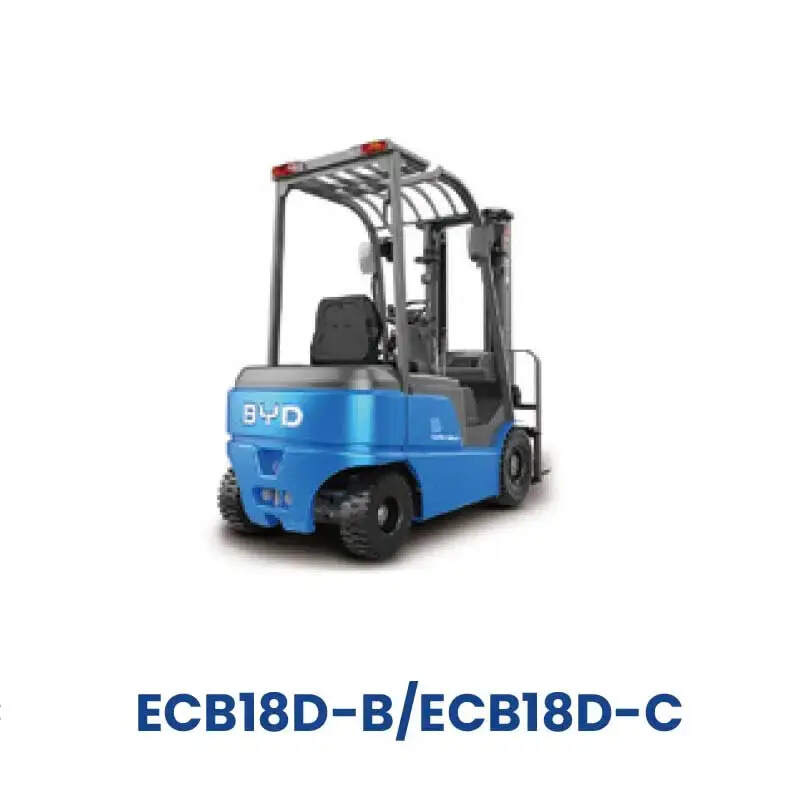
With the continuous promotion of low-carbon transformation in global industrial and logistics sectors, electric forklifts have become the core material handling equipment widely used in indoor warehouses, manufacturing workshops, distribution centers and port cargo yards. Different from traditional fuel-powered handling equipment, electric forklifts feature lower local emissions, quieter operation and more stable power output, which requires relevant operation and management personnel to grasp targeted professional knowledge to give full play to its application advantages.
Scenario Matching Principles for electric forklift Deployment
Different actual operation scenarios put forward differentiated requirements for the configuration of electric forklifts. For narrow-aisle indoor warehousing scenarios that mainly handle goods under 2 tons, compact body models can effectively improve the passing efficiency and avoid collision risks with surrounding shelves. For high-level stacking scenarios with a maximum lifting height of more than 6 meters, relevant personnel need to confirm the load attenuation parameter at the highest lifting position in advance to avoid illegal overload operation. For multi-shift continuous operation scenarios that last more than 12 hours a day, it is necessary to arrange reasonable power replenishment plans in advance to reduce unexpected downtime during peak operation periods.
Standard Electric Forklift Operation Safety Rules
Before starting each shift, operators need to complete a full set of pre-operation inspections, covering the remaining power level, braking system sensitivity, steering system flexibility, as well as the integrity of the mast and fork structure. During the driving and handling process, rapid direction adjustment under high speed is not recommended, and operators should keep a sufficient safe distance from surrounding passing personnel, stacked goods and fixed facilities. It is not allowed to carry extra irrelevant personnel on the vehicle body or the fork without special safety protection structures, to prevent accidental injury risks. After each operation task is completed, the vehicle should be parked in the designated parking area, the main power supply should be cut off, and the fork should be lowered to the lowest horizontal position.
Routine Electric Forklift Maintenance Guidelines
Scientific regular maintenance work can effectively extend the service life of core components and reduce long-term operation cost. Operators should regularly clean the accumulated dust and sundries on the surface of the power system and heat dissipation components, and avoid using high-pressure water flow to directly wash the electronic control modules to prevent accidental short circuit damage. For transmission and movable friction parts, check the lubricant level and wear status every fixed cycle, and replenish or replace the lubricant as required. Avoid storing the electric forklift in an environment with extreme high or low temperature for a long time, which will cause adverse impact on the overall performance and service life of the equipment. Reasonable scenario matching, standardized operation and systematic maintenance will help electric forklifts maintain stable working condition for a long time, and better support the efficient and low-carbon operation of the entire material handling system.


