
 简体中文
简体中文 Русский
 Français
 Português
 Español
 لالعربية

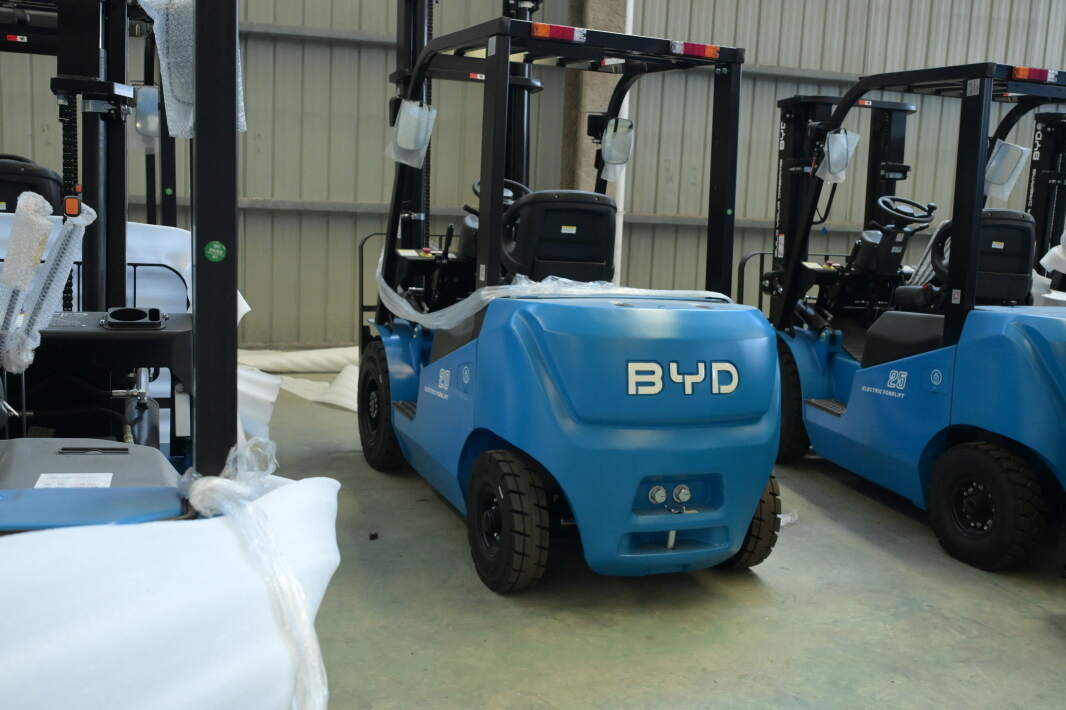
Against the backdrop of rising demands for low-carbon material handling across global logistics and manufacturing sectors, electric forklifts have gradually become the mainstream equipment choice for indoor operation scenarios due to their low noise, zero local emission and flexible maneuvering features. Mastering systematic knowledge of electric forklift use and management can help operation teams maximize equipment value and reduce unnecessary operation cost.
Core Operation Specifications for Daily Use
For new operators, it is necessary to complete standardized pre-operation inspection before each start, including checking the remaining power level of the power pack, the flexibility of brake and steering system, the integrity of load fork and safety warning lights. During operation, operators need to keep the load center within the allowable range specified in the equipment manual, avoid sharp turning or sudden acceleration under full load status, and reduce frequent high-load start and stop actions in narrow aisle scenarios. It is also required to avoid long time overload operation, which may cause extra wear to the driving motor and hydraulic components. Operators should also keep a safe distance from surrounding shelves and staff during high-density operation, to reduce unnecessary collision risks.
Routine Maintenance Points to Extend Service Life
Different from internal combustion forklifts, electric forklifts focus more on the maintenance of power system and electrical components. For the energy storage unit, operators should follow the specified charging process, avoid full discharge for a long time, and keep the surface of the power pack clean and dry to prevent short circuit risk caused by dust or moisture. It is recommended to arrange regular inspection for the wiring harness connection status, motor heat dissipation effect and hydraulic oil level every certain operation cycle, and timely remove the sundries stuck near the driving wheel and heat dissipation grille. Standardized daily maintenance can effectively reduce the failure rate of equipment, and avoid unexpected downtime that affects the whole operation schedule.
Application Scenario Adaptation Tips
For different operation scenarios, users can adjust the operation parameter setting of electric forklift properly to get better use effect. For low-temperature warehouse scenarios, pre-heat the power system for 2 to 3 minutes before formal operation to keep the output performance stable. For long-time continuous operation scenarios, arrange proper charging plan according to the actual operation intensity to avoid sudden power loss during peak operation period. Users can also match corresponding auxiliary accessories according to the actual handling demand, to expand the application range of the equipment and improve the overall operation efficiency.


