
 简体中文
 Русский
 Français
 Português
 Español
 لالعربية


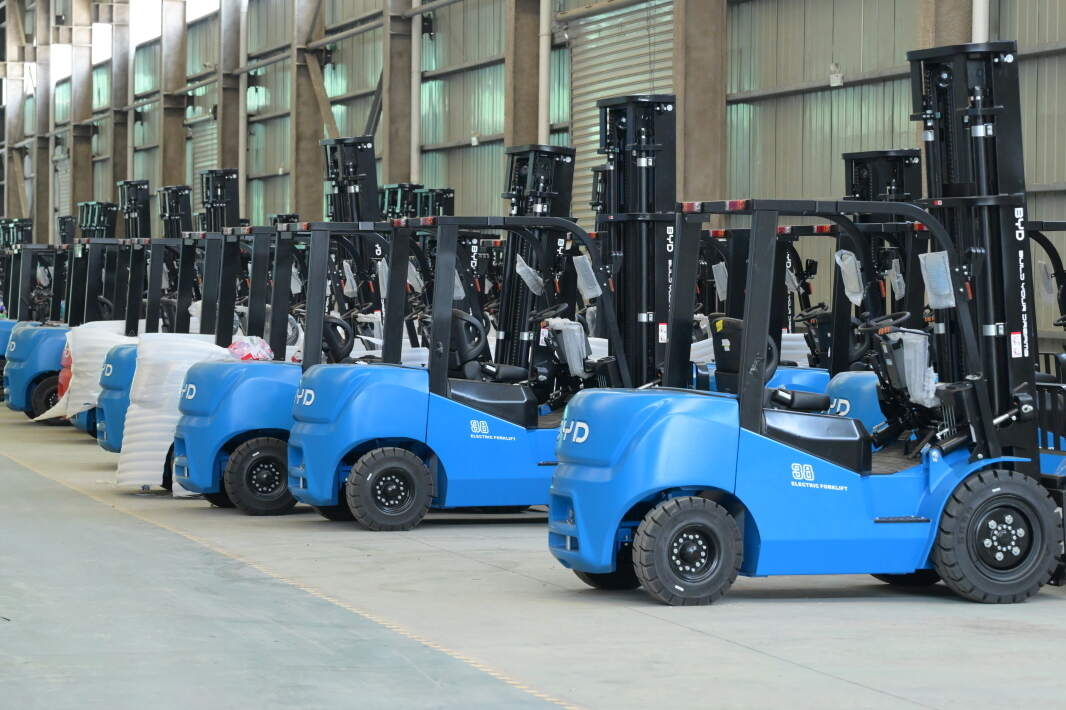
Nowadays, electric forklifts have become a core category of material handling equipment across multiple industry sectors, recognized for their low operating noise, zero local exhaust emissions and relatively controllable long-term operating cost compared to traditional internal combustion forklifts. A large number of warehouse managers and frontline logistics operators are eager to obtain systematic professional knowledge to fully release the use value of such equipment, while avoiding unnecessary operational faults and safety risks.
Basic Operational Norms for Electric Forklifts
Before starting each shift of work, operators need to complete a full set of pre-operation inspections, which cover the remaining battery power level, brake system responsiveness, lifting chain tension, and the normal working state of the warning light and horn system. No untrained personnel shall operate the electric forklift independently, and operators need to dynamically adjust the moving speed according to different site conditions, for example, properly slowing down when passing through narrow aisles or areas with dense pedestrian flow. Operators are also advised not to carry loads beyond the rated load capacity marked on the equipment nameplate, as long-term overloading will accelerate the wear of core components and increase the hidden danger of cargo slipping during transit.
Routine Maintenance Tips to Extend Equipment Service Life
The daily maintenance work of electric forklifts focuses on two core modules, the power battery system and the electrical control system. For the battery part, operators should avoid deep discharging the battery below the officially recommended remaining power threshold, and regularly wipe the dust and accumulated water on the battery surface to prevent short circuit risks. For the electrical control components, management personnel need to check the tightness of wiring connectors at fixed intervals, and prohibit using high-pressure water guns to directly flush the interior of the control cabinet, which can effectively reduce the occurrence probability of electrical failures in daily use. In addition, regular lubrication of movable parts such as the lifting mechanism and steering shaft can reduce friction between components, further lowering long-term overall operation costs.
Applicable Scenarios and Corresponding Usage Notes
Electric forklifts are widely applied in closed intelligent warehouses, food processing workshops, cold storage facilities and other scenarios that have strict requirements for working noise and exhaust emissions. When the equipment is used in long-term low-temperature environments, users need to properly adjust the corresponding battery charging strategy, to avoid the problem of reduced available battery capacity caused by long-term exposure to ultra-low temperature conditions. When operating in outdoor unpaved work sites, users can select matching models with proper chassis height and high-friction tires, to guarantee the stability of the equipment during moving and cargo lifting processes.


