
 简体中文
 Русский
 Français
 Português
 Español
 لالعربية


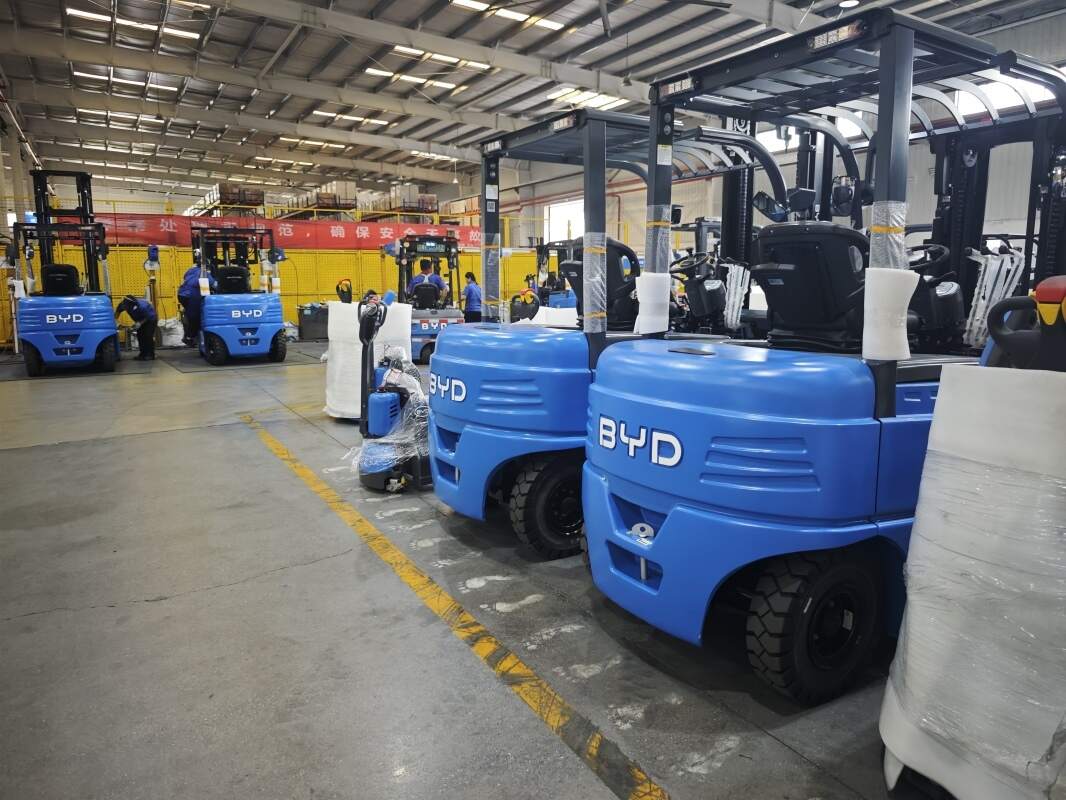
With the continuous growth of low-carbon logistics demand, electric forklifts have become one of the most widely used material handling equipment in indoor warehousing, manufacturing workshops and retail distribution centers in recent years. Reasonable mastery of related operation and management knowledge can help equipment give full play to its use value under different application scenarios.
Core Performance Features of Electric Forklifts
Different from internal combustion powered handling equipment, most electric forklifts run on on-board power battery packs, which will not generate exhaust emissions during the working process, and the overall operation noise is kept at a relatively low level, which is suitable for closed working environments with high requirements for air cleanliness such as food processing workshops, pharmaceutical storage areas and cold chain warehouses. The overall transmission structure of the equipment is relatively simpler, with fewer vulnerable moving parts, so the daily operation and management threshold is lower for enterprise equipment management teams.
Standardized Daily Operation Specifications
Before each shift of operation, operators need to complete pre-drive inspection work, including checking the remaining battery power, the flexibility of the lifting and tilting mechanism, the sensitivity of the braking system, and the wear condition of the load wheels and driving wheels. During the operation process, operators need to follow the load limit marked on the equipment nameplate, avoid overloading operation, do not allow personnel to stand or move on the forks, slow down in advance when passing through narrow passages and turning areas, and keep a safe distance from surrounding passing personnel and stacked goods.
Routine Maintenance Recommendations
For the power battery pack, operators need to avoid long-term overcharging and deep over-discharging according to the official operation manual requirements, keep the surface of the battery shell dry and clean, and check the connection terminals regularly to avoid loose contact. For the hydraulic system, it is necessary to check the sealing state of the oil pipeline regularly, replenish the hydraulic oil to the specified liquid level in time, and add lubricating grease to the hinge and transmission parts regularly to reduce abnormal wear of moving parts.
Energy Efficiency Optimization Tips
Managers can plan the daily handling route reasonably according to the site layout, reduce the unnecessary no-load driving distance of electric forklifts, try to make the equipment run in the conventional load range, avoid long-term continuous full-load operation, and cut off the power supply in time when the equipment is in a short idle state, which can effectively extend the single continuous operation time and the overall service life of the core components.


