
 简体中文
 Русский
 Français
 Português
 Español
 لالعربية


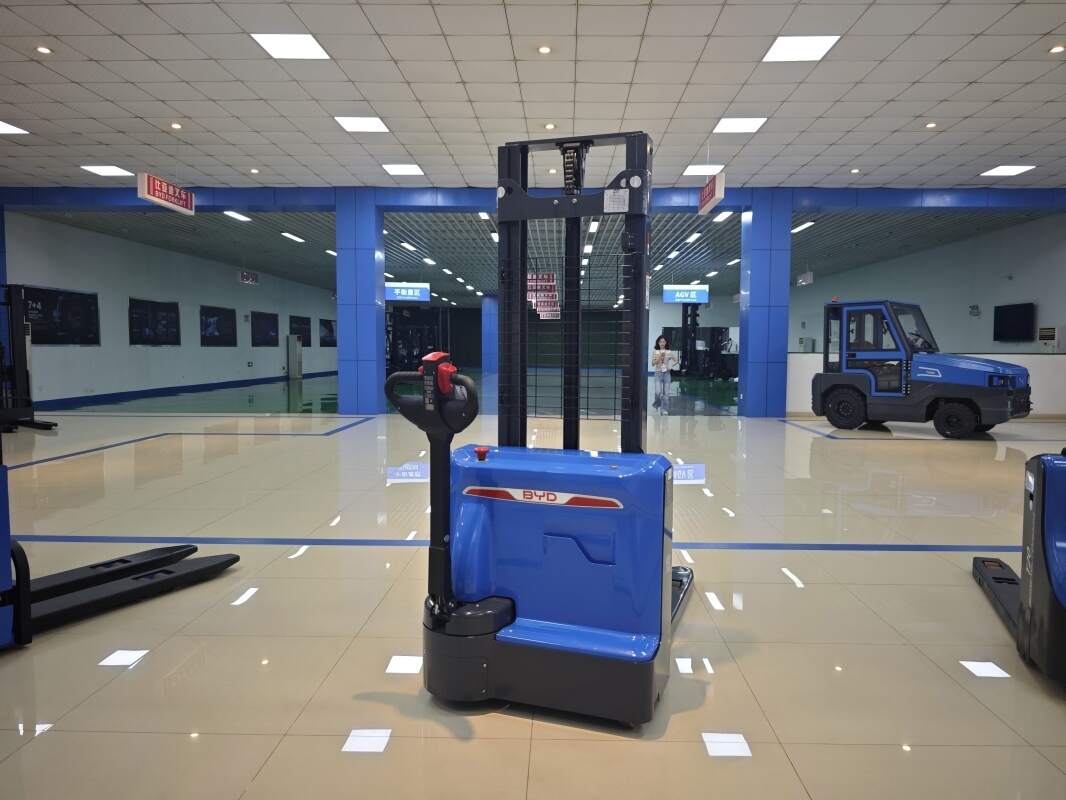
As low-carbon material handling solutions gain wider adoption across industrial storage scenarios, electric forklifts have become a core piece of equipment for most logistics, manufacturing and distribution sites, and mastering correct use and maintenance rules can help site teams get more stable performance output for daily operation.
Core Performance Features of Modern Electric Forklifts
Unlike internal combustion counterparts, electric forklifts rely on stored electrical energy as the only power source, producing no tail gas emission during daily operation, which fits the environmental management requirements of enclosed warehouse spaces, food processing workshops and other scenarios with strict air quality control rules. Most current models adopt mute operation design, which effectively reduces noise disturbance to on-site staff and adjacent office areas during high-frequency operation shifts, creating a more comfortable working environment for all on-site personnel.
Standard Operation Specifications for Operators
Before starting any shift, operators need to complete a full pre-shift check, including confirming remaining power level, brake system sensitivity, lifting hydraulic component sealing condition and tire surface wear status. It is not recommended to carry loads that exceed the rated load limit of the equipment during operation, and operators need to keep the load at a low height when moving on uneven ground or sloped areas to avoid tipping risks. After finishing daily operation, operators should park the equipment at the designated charging position, lower the lifting fork to the flat ground level and cut off the main power supply before leaving the operation seat.
Routine Maintenance Tips to Reduce Long-term Operating Cost
Regular cleaning of the body surface, especially the dust accumulation on the motor heat dissipation structure and electric connector parts, can effectively avoid potential safety hazards caused by poor heat dissipation or poor contact. For the power battery pack, users need to follow the official charging temperature requirements, avoid frequent over-discharge or long-term full power storage status, which can extend the overall cycle life of the battery pack to a large extent. It is also suggested to arrange regular professional inspection for the hydraulic system every 3 to 6 months, to replace aged sealing parts in time and avoid unexpected oil leakage that may cause operation pause.
Scenario-based Efficiency Optimization Suggestions
For high-intensity continuous operation scenarios, sites can arrange reasonable staggered charging slots during staff shift breaks, to avoid unexpected power depletion in the middle of peak operation periods. For narrow aisle operation scenarios, operators can adjust the steering sensitivity parameter of the equipment according to on-site operation habits, to get more precise control experience without affecting operation safety.


