
 简体中文
 Русский
 Français
 Português
 Español
 لالعربية


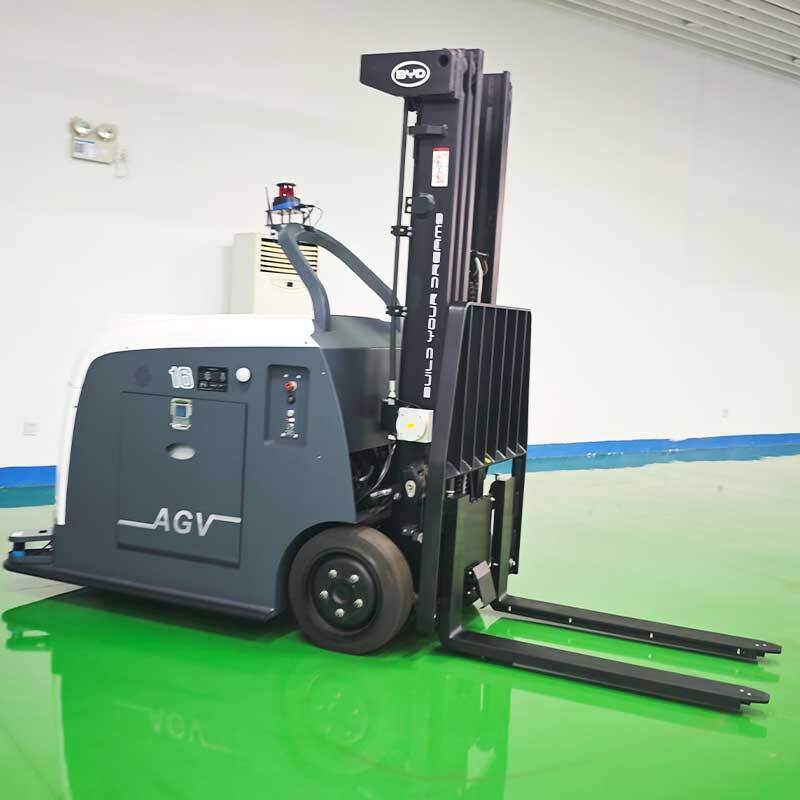
Against the backdrop of low-carbon transformation in the global logistics industry, electric forklifts have become one of the most widely used material handling equipment in closed warehousing scenarios for their low noise, zero local emission and stable power output features. To help related practitioners master proper usage methods and extend equipment service life, this guide sorts out core practical points covering multiple dimensions of daily use.
Basic Operation Specifications for Electric Forklifts
When operating electric forklifts, operators should first confirm the rated load parameter before starting work, and avoid carrying goods that exceed the maximum load limit to prevent tilting risk. During the driving process, keep the running speed matching the site environment, slow down when turning and passing crowded areas, and avoid sudden braking that may cause goods to slide off the forks. It is also necessary to keep the center of gravity of the goods within the allowable range of the load center distance, especially when stacking goods at high positions, to maintain the overall stability of the vehicle body. Operators should also keep a clear view of the driving path, and turn on the corresponding warning lights when working in low light environments.
Routine Maintenance Guidelines for Daily Use
Regular daily inspection can effectively reduce the failure rate of electric forklifts. Operators need to check the battery status before each shift, confirm the power level is sufficient to support the scheduled work tasks, and keep the battery surface clean to avoid dust and debris causing short circuit risks. It is also necessary to check the flexibility of the brake system, the wear degree of solid tires, and the sealing status of hydraulic pipelines regularly, and deal with minor abnormal conditions in time to avoid expanding into bigger functional faults. For long-term storage, the battery should be kept at a reasonable charge level, and the vehicle body should be parked in a dry, ventilated place away from corrosive substances.
Scenario Optimization Strategies for Different Use Cases
For different warehousing operation scenarios, users can adjust the usage mode of electric forklifts to get better performance. For narrow-aisle storage sites, operators can adjust the driving speed and turning path in advance to adapt to the compact space layout. For low-temperature cold storage scenarios, take targeted protective measures for the battery system to avoid performance degradation caused by long-term low temperature exposure. For high-frequency continuous operation sites, arrange reasonable battery rotation and charging scheduling to reduce idle waiting time, so as to improve the overall material turnover efficiency of the whole site.


