
 简体中文
简体中文 Русский
 Français
 Português
 Español
 لالعربية

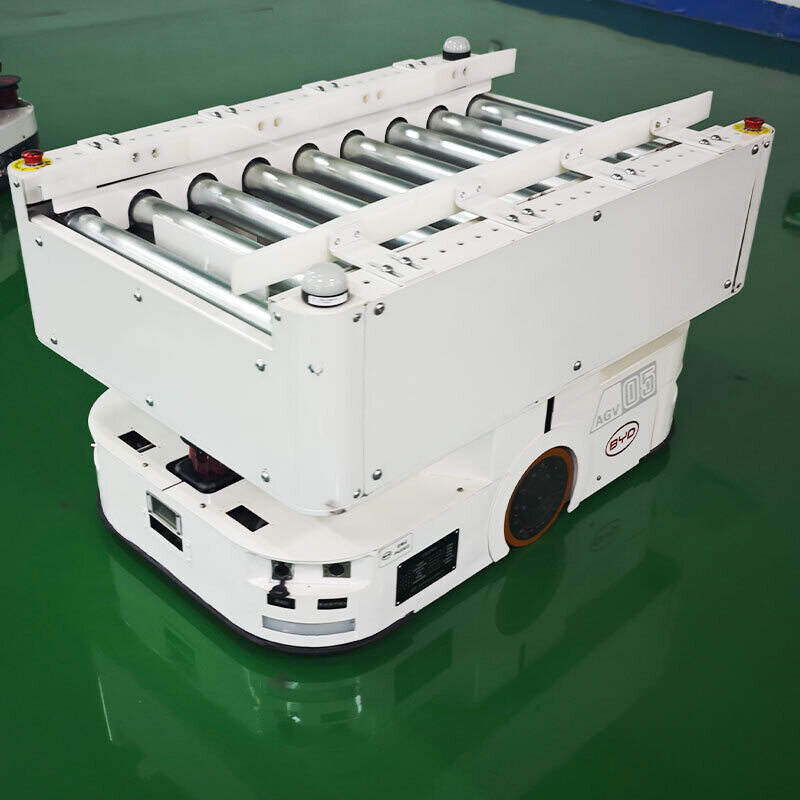
With the growing demand for low-carbon operation and high-efficiency indoor cargo handling in the industrial sector, electric forklifts have become a mainstream equipment choice for most warehouses, manufacturing workshops and retail distribution centers. Different from fuel-powered forklift products, electric forklifts have features of low operation noise, zero on-site exhaust emission and relatively simplified mechanical structure, which puts forward unique requirements for frontline operators and facility managers to ensure stable long-term operation.
Core Daily Operation Standards
Prior to each shift of operation, operators are advised to complete a full pre-shift inspection covering tire wear condition, brake sensitivity, lifting chain tightness, remaining power level and the normal functionality of all warning indicator lights. It is not recommended to carry cargo beyond the rated load range, as extra weight may accelerate the wear of core lifting components and bring avoidable potential safety risks. When driving in narrow warehouse aisles, operators need to keep continuous observation of surrounding passing personnel and stacked goods, and adjust driving speed properly to prevent accidental collisions. For long-time indoor operation scenarios, sudden acceleration or hard emergency brakes are not suggested, as such improper operations will increase extra consumption of the driving motor and related transmission parts.
Routine Scientific Maintenance Tips
Building a customized regular maintenance cycle based on actual weekly operation intensity can effectively reduce unexpected equipment downtime in peak business periods. For the core power system, operators need to wipe out accumulated dust on the surface of the battery pack periodically, check the connection status of wiring terminals, and avoid discharging the battery to an extremely low power level which may cause irreversible damage to the internal battery structure. For the hydraulic lifting system, regular checks on the hydraulic oil level and the sealing performance of all oil pipelines can prevent minor oil leakage that may affect the smooth operation of the lifting and descending process. A full cleaning of the vehicle body and walking components every week can also remove accumulated debris that may reduce the flexibility of moving parts.
Scenario Adaptation and Efficiency Optimization
Matching targeted usage habits for different application scenarios can give full play to the inherent advantages of electric forklifts. For low-temperature cold storage operation scenarios, users can make slight adjustments to the charging frequency to adapt to the natural performance change of battery units under low ambient temperature. For all-day continuous operation scenarios, arranging reasonable rotation of spare power units can ensure continuous material handling efficiency throughout the working hours. Regular standardized operation training for frontline teams can help operators master correct usage logic, further reduce unnecessary component loss, and create a safer and more ordered working environment for the whole cargo handling process.


