
 简体中文
 Русский
 Français
 Português
 Español
 لالعربية


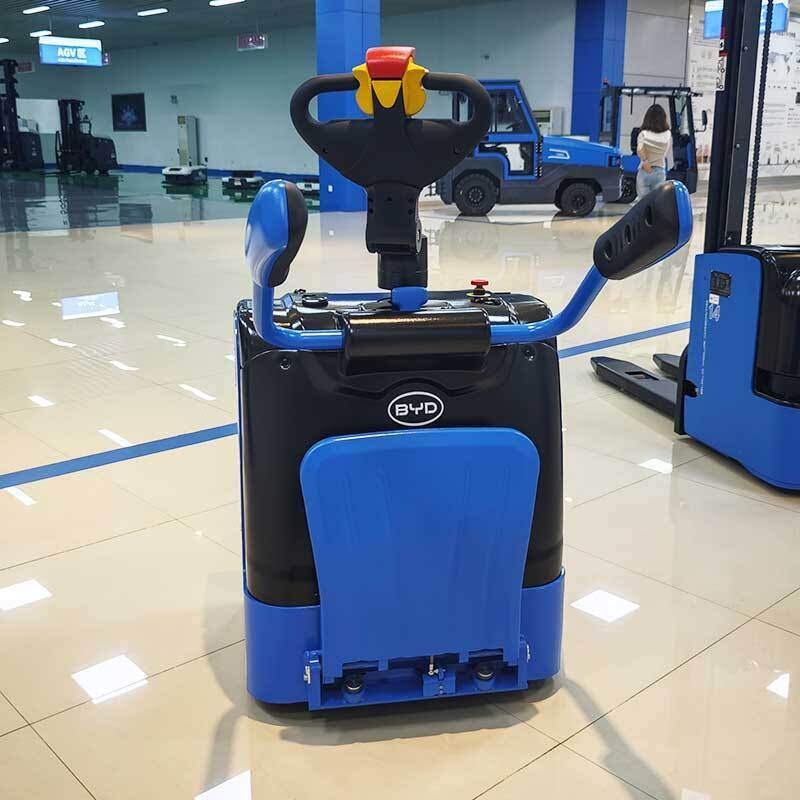
Against the background of continuous development of green logistics, electric forklifts have become one of the most widely used material handling equipment in modern warehousing scenarios, for their low noise, zero local emission and relatively low operation cost. Mastering proper use and management methods can help enterprises give full play to the performance of such equipment and create higher operation value.
Pre-operation Inspection Specifications
Before starting each shift, operators need to complete a series of basic checks to eliminate hidden risks in advance. First, check the remaining battery power to ensure it can support the full shift of operation, and confirm that the power interface is free of loose connection or obvious dirt. Second, check the wear degree of solid tires, the flexibility of brake response and the normal operation of steering system. Third, inspect the fork structure to confirm there is no obvious deformation or crack, and test the lifting function of hydraulic system for 2 to 3 times without load to ensure smooth operation.
Standard Operation Practices in Daily Work
During formal operation, operators need to strictly follow the corresponding operation specifications to avoid unnecessary safety risks and equipment damage. It is not allowed to overload the equipment beyond the rated load mark, and the load should be placed evenly on the fork center to avoid unbalanced rollover. When turning in the narrow aisle of the warehouse, the speed should be reduced in advance, and you need to pay attention to surrounding pedestrians and stacked goods to avoid collision. When driving on the ramp, keep the load facing the uphill direction, and do not turn or travel diagonally on the ramp. Avoid frequent sudden acceleration or sudden stop in the process of driving, to reduce the loss of power system and tire wear.
Daily Maintenance Tips for Long Term Use
Reasonable daily maintenance can effectively extend the service life of electric forklifts and reduce long-term operation cost. Operators need to clean the dust and sundries on the surface of battery and power contact points regularly, to avoid poor contact caused by accumulated dirt. It is not recommended to exhaust the battery completely before charging, and the charging process should be carried out in a specified area with good heat dissipation. The sealing performance of hydraulic oil pipeline should be checked regularly, and the corresponding hydraulic oil should be supplemented to the specified liquid level as required. When the equipment is not in use for a long time, it should be parked in a dry and ventilated area, and the battery should be charged at a regular interval to avoid excessive power loss which affects the overall service life of the battery.


