
 简体中文
 Русский
 Français
 Português
 Español
 لالعربية


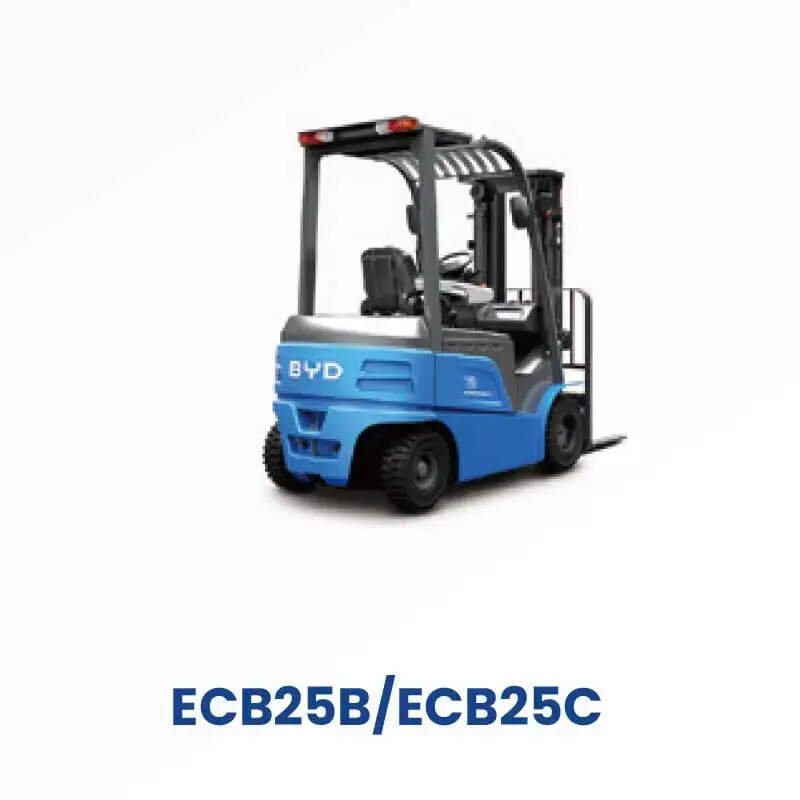
As low-carbon logistics solutions gain wider adoption across global industrial sectors, electric forklifts have become one of the most widely deployed material handling tools in indoor warehouses, distribution centers and light manufacturing facilities. Unlike internal combustion forklifts that rely on fossil fuels, electric models operate with lower noise, zero local emissions and relatively lower long-term operation costs, which requires operators and management teams to master professional related knowledge to fully release their performance.
Basic Operation Specification for Daily Use
Before each shift of operation, operators need to conduct a routine walk-around check to confirm the tire condition, brake sensitivity, lifting chain tightness and power level are within the normal working range, and report any abnormal signs found during the check to the management team in time, instead of driving the equipment with hidden defects. During the operation process, operators should keep the load center within the rated load range specified by the equipment manual, avoid sharp steering on slopes or wet slippery ground, and do not carry extra personnel on the forklift body that is not equipped with special passenger carrying structures.
Routine Maintenance Points to Extend Service Life
The power system, as the core component of electric forklifts, needs regular cleaning of surface dust and checking of connection tightness of the wiring interface according to the specified cycle, to avoid performance attenuation caused by long-term exposure to damp or dusty working environment. For the walking motor and hydraulic lifting system, regular lubrication treatment should be carried out according to the operation frequency, and the waste hydraulic oil should be replaced on schedule to ensure the stability of the lifting and descending process of the gantry. Daily charging operations need to follow the standard process specified by the equipment manual, avoid long-term over-discharge of the power unit, and arrange the charging process in a well-ventilated and non-high temperature environment.
Application Optimization for Different Scenarios
For low-temperature working environments, preheating the power system for an appropriate time before formal operation can effectively reduce the impact of low temperature on the continuous working time of the equipment. For high-intensity continuous operation scenarios in large distribution centers, arranging reasonable shift handover time to supplement power and conduct quick checks can ensure the continuity of daily material handling tasks. Relevant teams can also adjust the operation path and equipment scheduling logic according to the actual layout of the warehouse, to further improve the overall operation efficiency of the entire material handling link, and create a safer and smoother working environment for frontline practitioners.


