
 简体中文
 Русский
 Français
 Português
 Español
 لالعربية


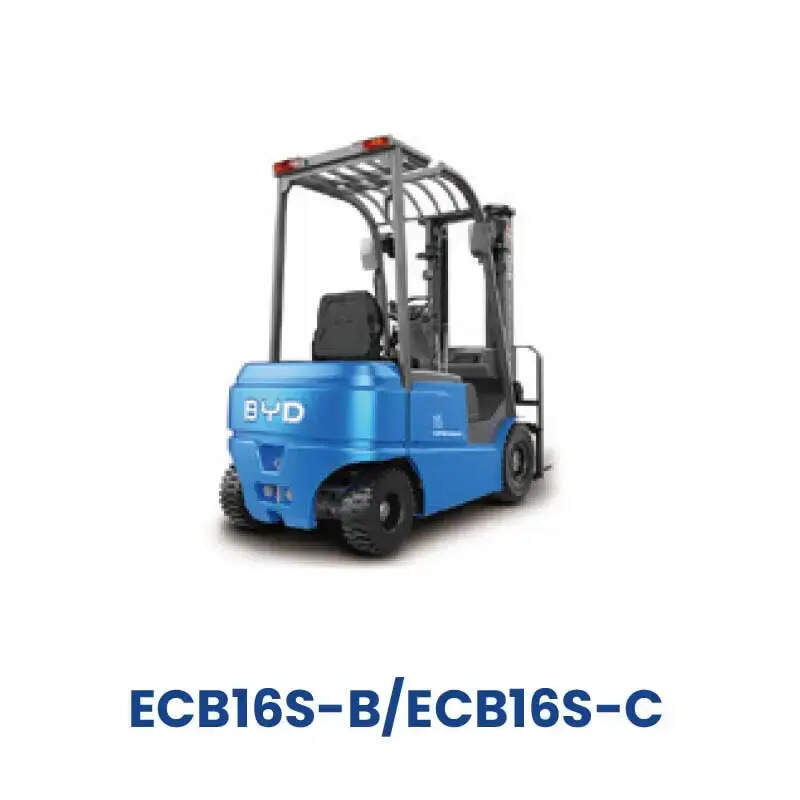
As low-carbon logistics has become a core development direction for modern warehousing and manufacturing industries, electric forklifts are widely adopted across different scenarios due to their low noise output, zero local emission and flexible maneuverability. Mastering targeted operation and maintenance knowledge helps frontline operators give full play to the equipment’s performance, reduce unnecessary operation risks and create higher value for daily material handling workflows.
Core Daily Operation Specifications for Electric Forklifts
Before each shift of operation, operators need to conduct a basic visual check on the equipment, covering the braking system, remaining battery level, lift mechanism status and surrounding working environment. During operation, the actual load should be kept within the rated load range specified by the equipment manual. Operators are suggested to keep a safe distance with peripheral shelves, pedestrians and other logistics facilities when driving in narrow warehouse aisles. It is not recommended to steer sharply on sloped roads, and operators should avoid sudden acceleration or braking when carrying lifted heavy loads, to prevent cargo slipping and falling accidents.
Routine Maintenance Practices to Prolong Service Life
After finishing daily operation tasks, operators can wipe off the accumulated dust and scattered material residues on the equipment body, check the connection ports of the power unit for signs of loosening or corrosion. It is not suggested to drain the power unit to extremely low level in daily use, and for equipment that will be left unused for a long period, personnel can arrange a supplementary charging process every two weeks to maintain the normal performance of the power unit. Regular checks on the hydraulic system for possible liquid leakage, and confirmation of the tire wear condition can effectively reduce hidden operation risks. When abnormal prompts appear on the control panel, it is better to contact professional technical personnel for troubleshooting instead of dismantling the electronic control structure without authorization.
Energy Efficiency Optimization Tips for Scenario Application
According to the daily operation schedule, logistics teams can plan a reasonable driving route in advance to reduce unnecessary back-and-forth travel distance. For scenarios under low ambient temperature, turning on the preheating function of the power unit before formal operation can reduce extra energy consumption caused by low temperature. Keeping smooth control of driving and lifting actions in daily operation can also cut down invalid power loss. Arranging charging plans properly across different shifts will help improve the turnover efficiency of equipment in high-intensity operation scenarios.


