
 简体中文
 Русский
 Français
 Português
 Español
 لالعربية


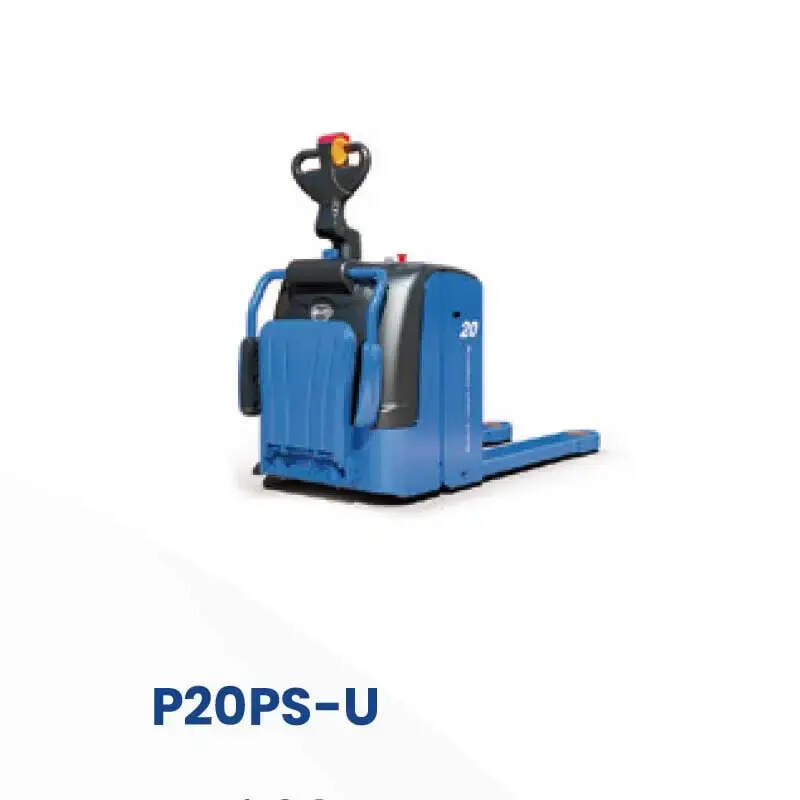
Against the background of global low-carbon logistics transformation, electric forklifts have become one of the most widely used core material handling equipment in closed industrial scenarios, including modern warehouses, distribution centers and production workshops. Many frontline operators and warehouse managers still lack systematic, practical knowledge about the correct usage, maintenance and scenario matching rules of such equipment, which may lead to unnecessary operation risks and extra cost consumption.
Core Functional Advantages of Electric Forklifts
Different from fuel-powered handling equipment, electric forklifts produce no local exhaust emissions during the whole operation process, which can effectively avoid air pollution to the enclosed working space. The average operating noise of standard electric forklifts is far lower than that of internal combustion counterparts, which can reduce the long-term hearing fatigue of operators and improve the overall comfort of working shifts. For scenarios with high requirements for environmental cleanliness, such as food cold storage, pharmaceutical material warehouses and electronic component production workshops, electric forklifts can fully meet the access requirements of such special working environments.
Standardized Daily Operation Guidelines
Before starting each shift, operators need to complete the routine pre-inspection work, including checking the remaining battery level, the sensitivity of the brake system, the wear condition of the fork surface and the flexibility of the steering structure. During the driving process, operators need to keep a safe distance from surrounding pedestrians and storage racks, slow down in advance when turning or passing narrow aisles, and avoid sudden braking or sharp steering actions. When lifting heavy loads, operators should not allow any personnel to stand under the lifting goods, and the actual load should not exceed the rated load value marked on the equipment nameplate, so as to reduce the potential risk of equipment rollover or cargo falling.
Routine Maintenance Suggestions for Longer Service Life
To maintain the stable running state of electric forklifts for a long time, teams can arrange special personnel to complete simple daily maintenance work regularly. The metal contact parts of the battery pack should be cleaned with dry soft cloth at fixed intervals to avoid poor contact caused by accumulated dust or water stains. If the equipment needs to be left idle for a long time, it is recommended to complete a supplementary charging operation every two weeks, and do not wait until the battery is completely exhausted to start charging, which can effectively prolong the cycle life of the power battery. The hydraulic oil circuit, tire wear and driving motor heat dissipation structure also need to be checked regularly, to eliminate small hidden dangers in the initial stage. Through reasonable scenario matching, standardized operation and proper daily maintenance, electric forklifts can bring stable and efficient material handling experience for industrial storage scenarios, and support the smooth operation of the whole logistics link.


