
 简体中文
 Русский
 Français
 Português
 Español
 لالعربية


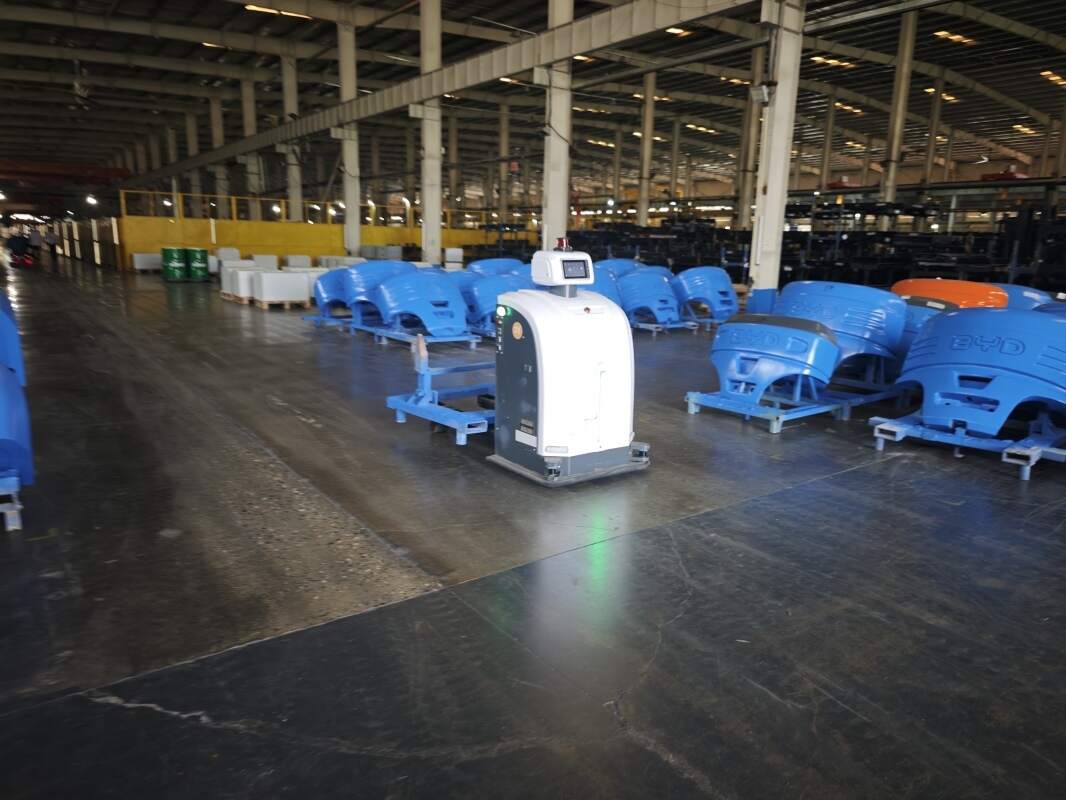
As industrial logistics continues to shift toward low-carbon and high-efficiency development, electric forklifts have become one of the most widely used core equipment in warehouse material handling scenarios. For frontline operators and equipment managers, mastering systematic operation and management knowledge of electric forklifts can effectively release the inherent advantages of the equipment without extra high investment.
Pre-operation Daily Inspection Specifications
Before starting each shift, operators need to complete a set of standardized inspection steps that take no more than 5 minutes. First, check the remaining power level of the power module, confirm the wiring interface is free of looseness or liquid leakage, and verify the brake system, steering response and lighting components can work normally. Then check the wear degree of the load forks and the lifting guide structure, to avoid hidden risks caused by long-term unobserved wear. This short daily check can avoid most sudden operation failures that occur during peak handling periods according to public industry statistics.
Scenario-based Parameter Adjustment Skills
Electric forklifts have relatively flexible parameter adjustment space compared with internal combustion models, and managers can make small adjustments according to specific working scenarios to get better use effects. For example, in narrow aisle scenarios with a passage width of less than 2 meters, the maximum speed limit of the equipment can be appropriately reduced to improve operation stability, while in large open storage yards, the speed limit can be adjusted within the allowable range of the specification to improve handling efficiency. For low-temperature cold storage scenarios, proper preheating of the power module for 2 to 3 minutes before formal operation can effectively avoid abnormal attenuation of battery performance.
Long-term Maintenance Habit Development
Scientific and regular maintenance habits are core prerequisites for extending the service cycle of electric forklifts. Operators need to wipe the dust and cargo residues on the surface of the equipment and the heat dissipation structure after each shift, to avoid blockage of the heat dissipation pores affecting the continuous operation performance. For the power module, follow the correct charging specifications, avoid long-term over-discharge and full-power storage for more than 72 hours, and arrange professional personnel to check the aging degree of the circuit connection points every 3 months. These low-cost operations can effectively reduce the frequency of subsequent expensive component replacement.
Following the above systematic operation and management logic, enterprises can give full play to the advantages of electric forklifts in low noise, low emission and low use cost, and create higher value for daily material handling work.


