
 简体中文
 Русский
 Français
 Português
 Español
 لالعربية


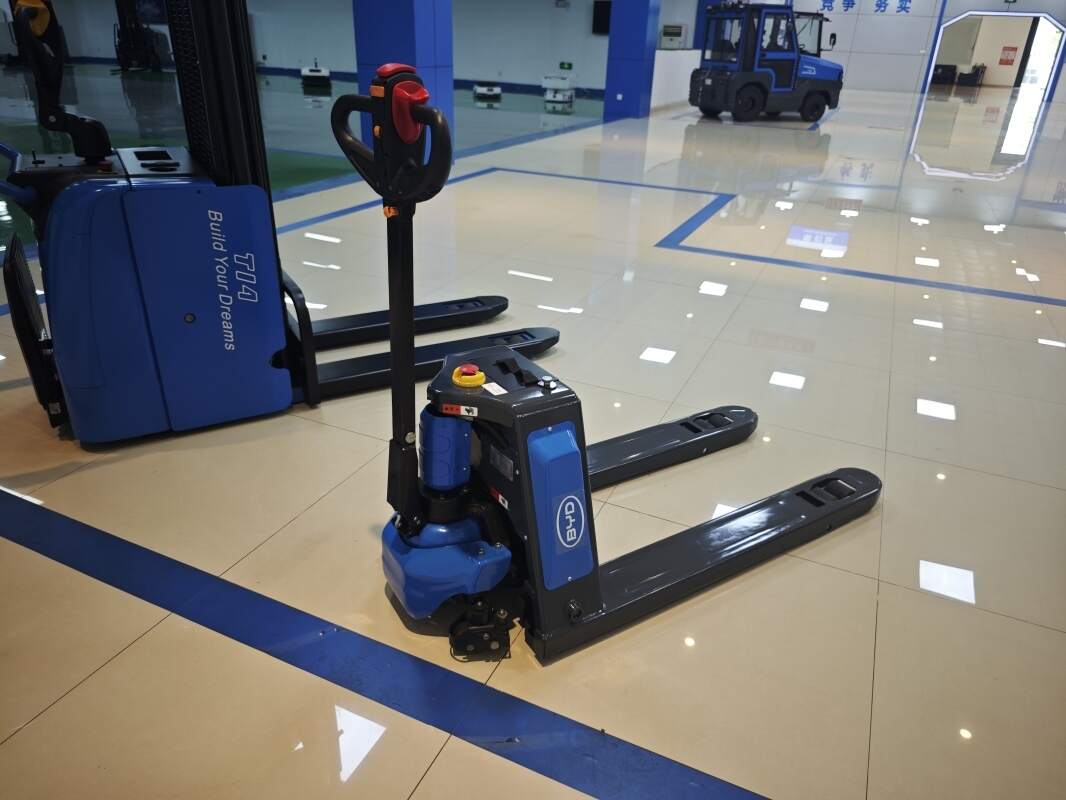
As low-carbon logistics development accelerates across global warehouse and industrial material handling sectors, electric forklifts have become one of the most widely deployed handling equipment, bringing distinct operational features different from traditional internal combustion counterparts. Mastering systematic knowledge of electric forklift use can help relevant practitioners reduce operational risks, improve handling efficiency and cut long-term operational costs effectively.
Core Advantages of Electric Forklifts in Conventional Scenarios
Compared with fuel-powered models, electric forklifts run with lower noise output and zero on-site exhaust emission, which makes them more suitable for enclosed indoor warehouse, food processing and cold chain storage scenarios that have strict requirements on air quality and working environment comfort. The power system of electric forklifts also has fewer wearing parts than traditional internal combustion systems, which can reduce the frequency of regular component replacement in daily use and create a more comfortable working environment for on-site staff.
Standardized Daily Maintenance Routines
Daily maintenance work for electric forklifts should focus on the power system, traveling mechanism and control components. Before each shift, operators need to check the remaining power level, the tightness of connecting wires of the power module, and the flexibility of lifting and tilting structures. After daily operation, it is recommended to park the vehicle in a designated ventilated and dry area, clean the dust and debris attached to the surface of the power system, and complete targeted charging according to official operation guidelines to avoid long-term over-discharge of the power unit. Regular inspection of brake sensitivity and tire wear condition every two weeks can effectively reduce unexpected failure rates.
Practical Safe Operation Guidelines
Operators need to complete systematic pre-post training before operating electric forklifts, and avoid overload operation, sharp steering or rapid braking on slippery roads. When carrying tall and bulky goods, operators should adjust the driving speed appropriately and keep the goods at a proper low height to avoid blocking the front view. In narrow warehouse aisles, operators should slow down and give way to pedestrian flow in time to avoid collision risks.
Energy Efficiency Optimization Tips for Long-term Use
Reasonable scheduling of operation routes, avoiding frequent start and stop under no-load state, can effectively extend the single operation duration under full power. Proper regular calibration of the power management system can also keep the energy conversion efficiency at a stable level for a long time, supporting more smooth daily material handling work.


