
 简体中文
 Русский
 Français
 Português
 Español
 لالعربية


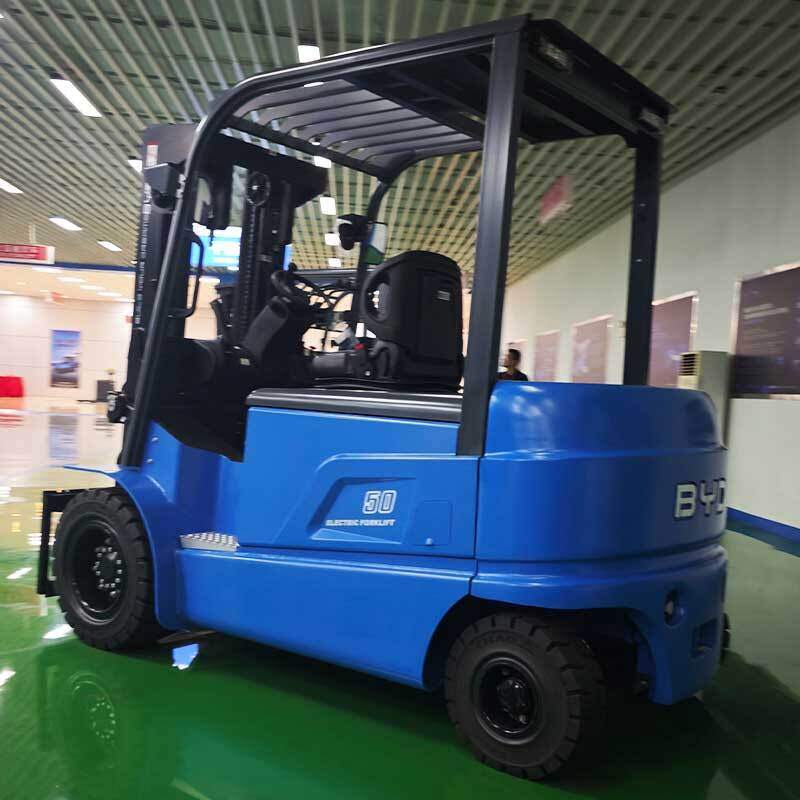
As the logistics and warehousing industry continues to pursue low-carbon operation and reasonable cost control, electric forklifts have become one of the most widely used material handling equipment in various industrial scenarios in recent years. Mastering correct operation and maintenance knowledge can help relevant personnel give full play to the performance of the equipment, and avoid unnecessary operation risks and additional cost loss.
Core Performance Features of Electric Forklifts
Different from internal combustion powered handling equipment, electric forklifts rely on stored electric energy as the power source, produce almost no exhaust emission during the whole working process, and generate relatively low operation noise when driving and loading goods. For closed indoor working scenarios such as finished goods warehouses, raw material storage workshops and cold chain storage areas, this type of equipment can better meet the environmental protection requirements of the working site, and will not cause adverse impact on the working environment for on-site personnel after long-term use. Most of the current mainstream electric forklift products are designed with relatively compact body structure, which can also adapt to the narrow passage operation scenes that are common in modern high-density warehousing layouts.
Standardized Operation Safety Specifications
Before starting the equipment every day, operators need to carry out necessary pre-use inspection work, including checking the remaining power of the power system, the flexibility of the lifting and tilting mechanism, the sensitivity of the braking and steering system, and the intact state of the warning light and alarm device. During the operation process, operators need to strictly follow the load capacity range specified in the equipment manual, avoid overloading the goods that exceed the rated load, and keep a safe distance with surrounding personnel, goods and passage obstacles when driving. When the equipment is not in use, the fork should be lowered to a safe height, the power supply should be cut off in time, and the equipment should be parked in the specified safe area.
Daily Maintenance Guidelines for Stable Operation
Carrying out regular routine maintenance work can effectively reduce the failure rate of electric forklifts and extend the overall service cycle of the equipment. After each long-time use, the surface of the equipment should be cleaned in time to remove the accumulated dust, cargo debris and sundries stuck on the moving parts. The power supply system should be charged in accordance with the specified operation requirements, avoid over-discharging or long-term overcharging behavior, and regularly check the connection state of the circuit interface to prevent poor contact or short circuit problems. The lubrication points of the transmission and moving mechanism should be replenished with professional lubricating oil on schedule, to ensure the smooth operation of all parts.


