
 简体中文
简体中文 Русский
 Français
 Português
 Español
 لالعربية

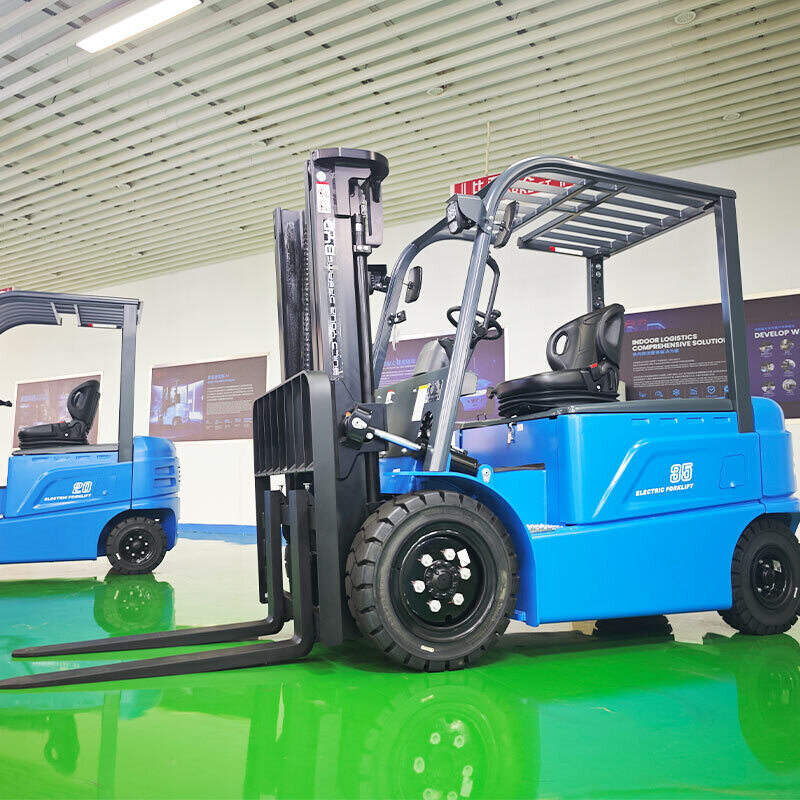
As low-carbon material handling solutions gain wider adoption across industrial storage and logistics sectors, electric forklifts have become one of the most widely applied equipment categories for indoor and enclosed operation scenarios. Operators and warehouse managers need to grasp core practical knowledge of the equipment to maximize its application value during long-term daily usage.
Core Performance Advantages of Standard Electric Forklifts
Unlike internal combustion powered counterparts, electric forklifts generate no exhaust emission during operation, which fits the strict air quality requirements of enclosed warehouses, cold storage areas and food processing workshops. Their overall operation noise level is far lower than fuel powered equipment, which reduces noise disturbance to on-site staff and avoids distracting workers in adjacent independent operation areas. Most current models adopt modular power output structure, which provides smoother power adjustment when users handle light or medium weight cargo, and reduces the risk of cargo toppling caused by sudden power surge.
Necessary Daily Maintenance Guidelines for Electric Forklifts
Regular daily maintenance work does not require overly complex professional operations for frontline operators. Before each shift, staff only need to check the residual power level of the power pack, the wear condition of driving wheels and the flexibility of lifting control lever, to rule out common hidden risks in time. After the daily operation, operators should wipe off the dust and cargo residue attached to the equipment shell, place the equipment in the designated ventilation and charging area, and avoid leaving the unit in the damp open area for long term. For the core power system, scheduled professional inspection once every few months can effectively reduce the equipment failure rate in long term operation.
Scenario Matching Tips to Improve Operation Efficiency
When deploying electric forklifts in different operation scenarios, managers can arrange the corresponding model configuration according to the average daily handling volume, maximum cargo weight and the width of warehouse aisle. For narrow aisle operation scenarios, models with smaller turning radius can effectively improve the space utilization rate of the whole warehouse. For high intensity continuous operation scenarios, configuring spare power packs for quick replacement can reduce the unnecessary waiting time caused by long charging periods.


