
 简体中文
简体中文 Русский
 Français
 Português
 Español
 لالعربية

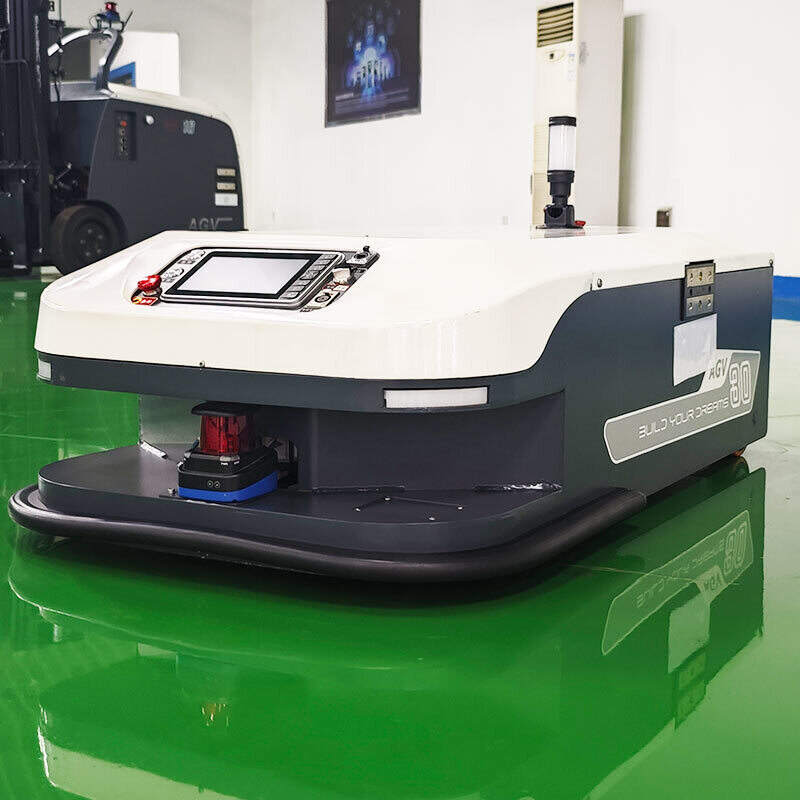
As the low-carbon logistics industry develops rapidly across different regions, electric forklifts have become one of the most widely used handling equipment in various warehouse, manufacturing and distribution scenarios. This guide sorts out targeted practical professional knowledge for frontline operators and warehouse managers, to help them grasp core operation points and usage norms correctly.
Core Performance Characteristics of Modern Electric Forklifts
Different from traditional internal combustion handling equipment, electric forklifts rely on power battery systems to provide power output, which generates far less noise and no direct exhaust emission during operation. Most current models are designed with compact body structure and flexible steering system, which can adapt to narrow channel operation scenarios with limited space. The load weight and lifting height parameters of different specifications can match the daily handling demands of most conventional industrial scenarios, without extra fuel supply and tail gas treatment work.
Standardized Operation Points for Daily Use
Operators need to receive systematic pre-job training before formally operating the equipment, and complete appearance check, brake performance test and power status confirmation before each startup. During the moving process, operators need to keep the load goods in stable stacking status, avoid sudden direction change or sharp brake action when carrying heavy loads, and do not allow personnel to stand under the lifting fork arm for a long time. When the equipment is running in low power status, operators should arrange to return to the designated charging area in time, to avoid sudden power loss in the middle of the handling path.
Routine Maintenance and Daily Care Norms
Regular cleaning of the body surface, fork arm and wheel attachment part is a basic maintenance step, which can prevent the accumulation of dust and sundries from affecting the normal operation of the moving system. The power battery module needs to be charged according to the specified operation requirements, avoid long-term over discharge or full power storage for more than one month, to extend the overall cycle service life of the battery. Operators should record the daily operation status of the equipment, and contact professional technical personnel for inspection in time when abnormal noise or unresponsive control occurs.
Efficiency Optimization Suggestions for Scenario Application
Combined with the actual layout of the warehouse, managers can plan the fixed handling path and designated stacking area reasonably, to reduce the unnecessary turn and moving distance of electric forklifts during daily work. Matching the specification parameters of the equipment with the average load weight and maximum lifting height demand can also give full play to the operation advantage of the equipment, and help improve the overall operation efficiency of the warehouse material handling system.


