
 English
 简体中文
简体中文 Français
 Português
 Español
 لالعربية

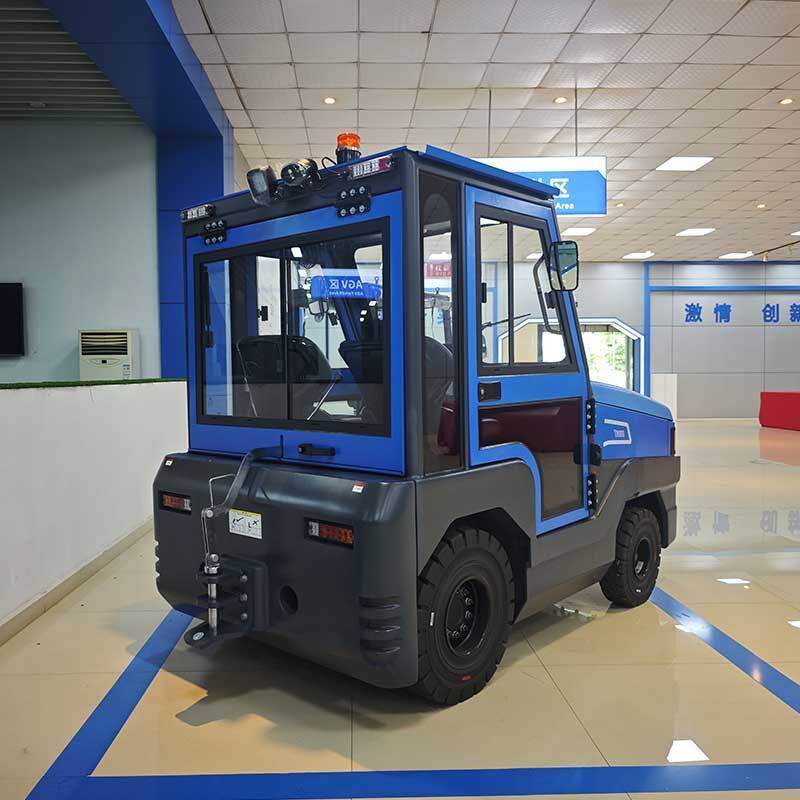
Against the background of continuous popularization of green logistics solutions, electric forklifts have become the core handling equipment widely used in indoor warehouses, manufacturing workshops and light cargo distribution scenarios. Many frontline operators and equipment managers still have cognition gaps in fully tapping the using potential of this kind of equipment, and improper daily operation and maintenance habits may cause extra unnecessary wear and increase long-term use cost.
Basic Pre-operation Inspection and Standardized Operation Rules
Before starting the equipment every shift, operators need to complete a series of basic inspection work, including checking the tire wear condition, brake sensitivity, residual power level, and whether the fork structure has obvious deformation. Operators should confirm that the actual load does not exceed the rated load range of the equipment according to the operation manual, adapt to the actual passage width of the operation site, and keep a proper safe distance from surrounding personnel and stacked goods in the operation process. Avoid sharp steering and sudden acceleration on wet and slippery ground to reduce the risk of cargo slipping.
Battery Maintenance Skills to Stabilize Long-term Performance
As the core energy component of electric forklifts, the battery state directly determines the continuous operation ability of the whole equipment. It is suggested that operators avoid deep over-discharge after the power drops to the warning line, and arrange charging in a dry and ventilated environment with ambient temperature kept in the applicable range specified by the equipment specification. For equipment that needs to be idle for more than two weeks, supplementary charging shall be arranged at regular intervals every month to keep the battery activity, and charging equipment that does not match the parameter specification shall not be used to avoid extra damage to the internal structure of the battery.
Low-cost Daily Maintenance Habits to Reduce Unnecessary Wear
After completing the daily operation task, operators can clean up the debris and sundries stuck in the gap of the undercarriage and the gantry structure in time to avoid the sundries scratching the sealing parts of the hydraulic system. Check the liquid level of the hydraulic oil and lubricate the movable joint parts regularly according to the specified cycle. Once abnormal noise or unresponsive operation is found in the use process, relevant personnel can arrange investigation in time to prevent small hidden dangers from evolving into large-scale faults that affect the normal operation. The whole set of operation and maintenance norms does not need extra high investment, which can help the electric forklift maintain a stable working state for a long time, and provide reliable support for the orderly progress of daily material handling work.


