
 English
 简体中文
简体中文 Français
 Português
 Español
 لالعربية

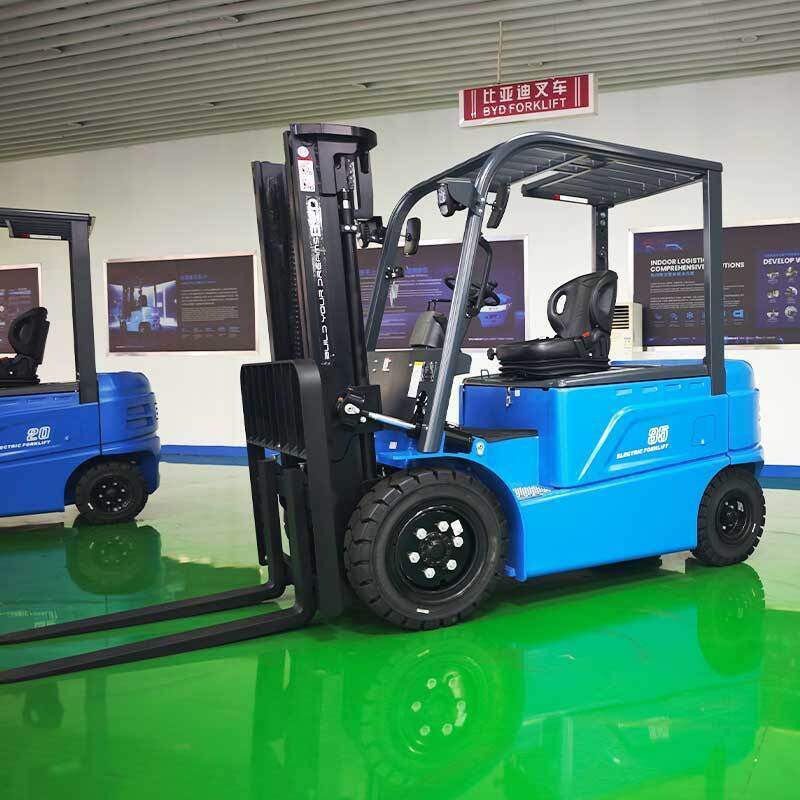
First, electric forklift fleet operators must regard clear awareness of floor-loading limits as a core part of routine safety compliance management, since improper matching between actual load and floor bearing capacity often leads to avoidable workplace hazards, from permanent concrete floor damage to accidental forklift tip-over that threatens on-site staff safety.
Many frontline practitioners mistakenly equate forklift rated load weight with the total pressure applied to the floor, which is a common misunderstanding that easily causes hidden safety risks. The actual load generated by a running electric forklift on the working floor includes two parts: the dead weight of the forklift itself, and the full weight of the loaded goods, plus extra dynamic load generated during acceleration, braking and turning. Normally, the dynamic load value can be 25% to 35% higher than the static load value measured when the forklift is parked completely still.
To meet formal safety compliance standards, operation management teams should first obtain the official floor load capacity document of the workplace facility from the property or construction management department, instead of estimating the floor bearing capacity based on experience. For areas with obvious floor abrasion, cracks, old repair traces or special thin pavement design, the actual effective load limit is usually lower than the original design value, and professional assessment is required to confirm the available bearing range.
In daily operation scenarios, managers can paste clear warning signs at the entrance of areas with limited floor load, specify the allowed type and maximum total weight of passing electric forklifts, and forbid sharp turning, sudden braking and long-time stay of heavy forklifts on non-specified weak pavement areas. Regular weekly inspection of floor surface status should also be arranged, to report and repair damaged parts in time before they cause larger safety incidents.
Implementing standardized management of electric forklift floor-loading limits can not only meet local occupational safety regulatory requirements, but also extend the service life of warehouse floor facilities, reduce unplanned operation shutdown, and build a more stable and safe working environment for all on-site material handling staff.


