
 English
 简体中文
简体中文 Français
 Português
 Español
 لالعربية

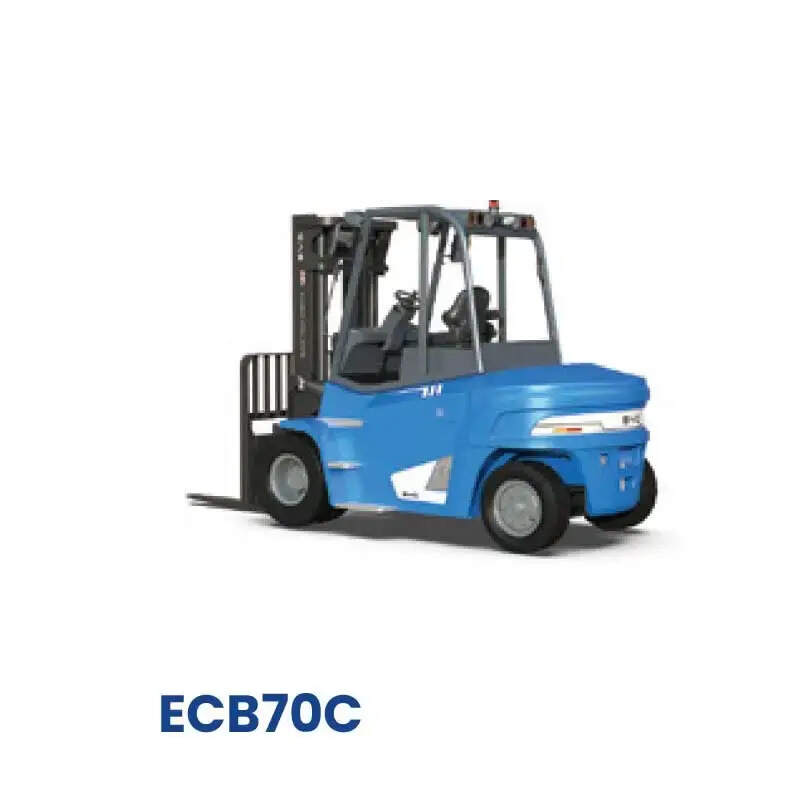
With the rapid development of modern warehouse logistics, electric forklifts have become one of the most widely used material handling equipment in indoor storage scenarios, and mastering correct application knowledge helps operators give full play to the performance of the equipment properly.
Core Performance Advantages of Electric Forklifts
Compared with internal combustion forklifts, electric forklifts produce no exhaust emission during working process, which avoids air pollution to closed indoor operation spaces, and the low operation noise will not cause interference to nearby staff who are engaged in sorting and picking work. The energy consumption cost per hour of electric forklifts is far lower than the fuel cost of traditional fuel models, and there is no need to replace engine oil, oil filter and other wearing parts of the fuel power system regularly, which reduces the daily maintenance workload to a large extent. The whole power system has fewer mechanical transmission parts, which lowers the probability of sudden mechanical failure in daily operation.
Practical Daily Maintenance Guidelines for Electric Forklifts
To keep electric forklifts in good working condition for a long time, operators need to complete a series of simple check work before each shift, including checking the remaining battery power, the sensitivity of the brake and steering system, the wear degree of the fork surface and the integrity of the warning lights. It is not recommended to run the electric forklift under full load for a long continuous time, and when the equipment needs to be parked for more than three days, it is better to charge the battery to about 60% to avoid irreversible capacity loss of the power unit. Operators should also clean the dust and debris accumulated on the surface of the motor and heat dissipation structure regularly, to avoid abnormal heat accumulation during long-time continuous operation.
Necessary Safety Operation Specifications for Electric Forklift Users
All personnel who operate electric forklifts need to receive professional operation training in advance, and get familiar with the parameter limit of the equipment such as rated load and maximum lifting height before formal use. When driving in narrow warehouse aisles, operators should slow down in advance at turning points, and pay continuous attention to passing pedestrians and stacked goods around the operation area. It is not allowed to lift personnel directly with the forks to carry out high-altitude work, and the equipment should be parked on flat ground with the forks lowered to the lowest position after the end of each shift. Following the above guidance can help warehouse teams create a more orderly material handling workflow, reduce unnecessary operation risks and extra cost investment.


